
Plants
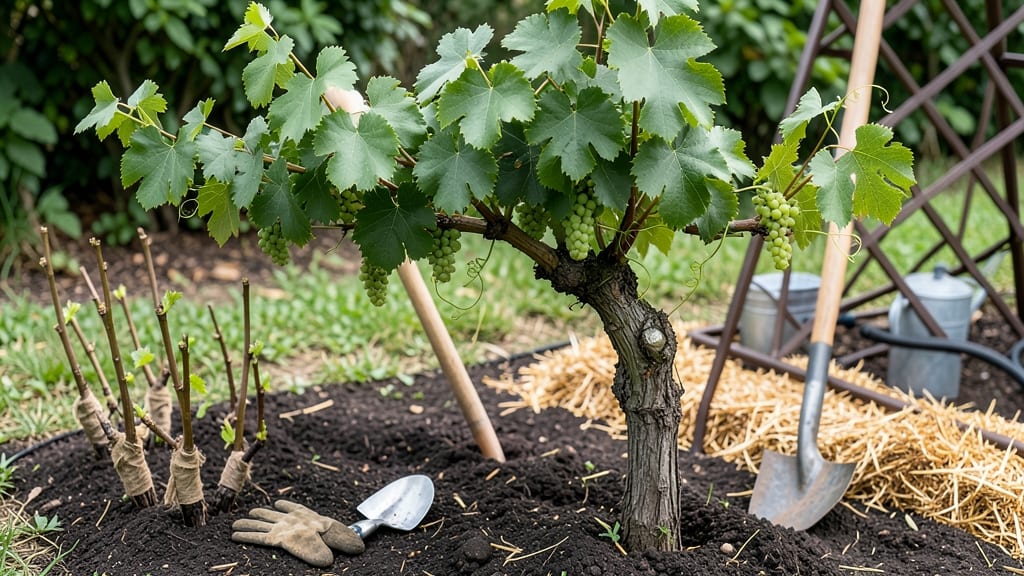
Planting grapes in North Carolina at the wrong time can mean the difference between a thriving vineyard and a sad pile of frozen roots. The key isn't just picking a month—it's matching your grape variety to the chill-hour zones that shape your region's frost risks and growing seasons.
Whether you're in the cool mountain air of Zone 6a or the warmer Piedmont of Zone 8a, timing matters. Muscadines and Catawbas love the heat, while Cabernet Franc and Norton crave cooler springs.
I’ll break down the exact planting windows for each zone, so you can avoid early frosts and maximize your harvest.
Most gardeners plant in late winter to early spring, but the best months depend on your microclimate. You’ll learn how to adjust for soil type, frost dates, and even whether you’re planting bare-root vines or potted varieties. No more guesswork—just data-driven decisions for your 🍇 vines.
Ready to turn your grape dreams into reality? Let’s dive into the science behind NC’s planting calendar and how to pick the perfect time for your vineyard’s success.
North Carolina grape planting timeline by chill-hour requirements
North Carolina’s chill-hour requirements determine whether your grapevines thrive or struggle. Cold-hardy varieties like Norton (Scuppernong) need 500-1,000 chill hours, while warm-climate grapes like Muscadine tolerate as few as 100-300 chill hours.
Planting outside these ranges risks poor fruit set or winter dieback. Let’s break down the perfect planting windows for your NC county.
Your grape variety and local chill hours dictate the ideal dormancy timing. For example, Cabernet Franc (600+ chill hours) needs bare-root planting in late winter (February-March), while Catawba (300-500 chill hours) can wait until early spring (April).
Potted grapes offer flexibility—plant them 2-4 weeks later than bare-root varieties to avoid frost damage.
Here’s how NC’s three climate zones affect your planting schedule:
For bare-root grapes, plant as soon as the soil is workable (40°F+). In Zone 6a (Mountains), this means February for high-chill varieties. In Zone 8a (Coastal Plain), wait until March-April to avoid late frosts.
Potted grapes can handle warmer soil, so delay planting by 2-4 weeks if using containers.
Adjust your planting date by county using NC State’s chill-hour map. For example, Asheville (Zone 6b) can plant Cabernet Franc in late February, while Raleigh (Zone 7b) should wait until early March.
Check your last frost date (NC State Extension provides county-specific data) and plant 4-6 weeks before to ensure root establishment.
Soil temperature matters too. Use a soil thermometer—grapes need 50°F+ soil to root successfully. In cool mountain zones, this may mean waiting until mid-March even if the air is warm. Warm-climate grapes like Muscadine can tolerate 60°F+
Best months to plant grapes in NC’s 3 climate zones
North Carolina’s three distinct climate zones—Coastal Plain (Zone 8a), Piedmont (Zone 7b), and Mountains (Zone 6b)—each demand different planting strategies for grapes. The wrong timing can lead to frost damage, poor root establishment, or even vine death.
But with the right approach, you’ll ensure your 🍇 vines thrive year after year.
In the Coastal Plain, warmer winters mean you can plant as early as February, while the Mountains require waiting until April to avoid late frosts.
The Piedmont falls somewhere in between, with March being ideal. Each zone also has unique soil and microclimate considerations that affect when and how you should plant.
- 🌡️ Coastal Plain (Zone 8a): Plant February–March for Muscadines and Catawba. Soils stay warm longer, but ensure 600+ chill hours for cold-sensitive varieties.
- 🏔️ Piedmont (Zone 7b): Aim for March–early April. Norton and Cabernet Franc thrive here with 500–700 chill hours. Test soil pH (6.0–6.5) before planting.
- ⛰️ Mountains (Zone 6b): Wait until April–May to avoid late frosts. Concord and Chambourcin do well with 400–600 chill hours. Use row covers if planting early.
- 🌱 Soil Prep Tip: Amend clay-heavy soils (common in NC) with compost and sand to improve drainage. Grapes hate soggy roots!
- ❄️ Frost Risk Strategy: Check your last frost date (e.g., March 15 in Asheville vs. February 15 in Raleigh). Plant 4–6 weeks before this date for safety.
For bare-root vines, plant as soon as the soil is workable—usually 2–4 weeks before your zone’s ideal window. If using potted grapes, you have more flexibility but still need to align with soil temperatures above 50°F.
In the Coastal Plain, this often means late February, while the Mountains may not reach this until mid-April.
Microclimates matter too! A south-facing slope in the Piedmont can warm up faster, allowing earlier planting, while a valley may hold frost longer. Use local frost maps (like those from the NC State Extension) to fine-tune your schedule.
For example, Asheville gardeners should delay planting 1–2 weeks compared to Charlotte.
Pro tip: If you’re planting Muscadines, which are heat-loving, lean toward the earlier end of your zone’s window. For cool-climate varieties like Norton, wait until the later part of the recommended month. This balance ensures your vines establish roots before summer heat sets in.
Once planted, mulch heavily with straw or wood chips to retain moisture and regulate soil temperature. In Zone 6b, add an extra layer of mulch to protect roots from winter freeze-thaw cycles.
With these zone-specific strategies, your 🍇 vines will be off to a strong start—no matter where in NC you garden.