
How To
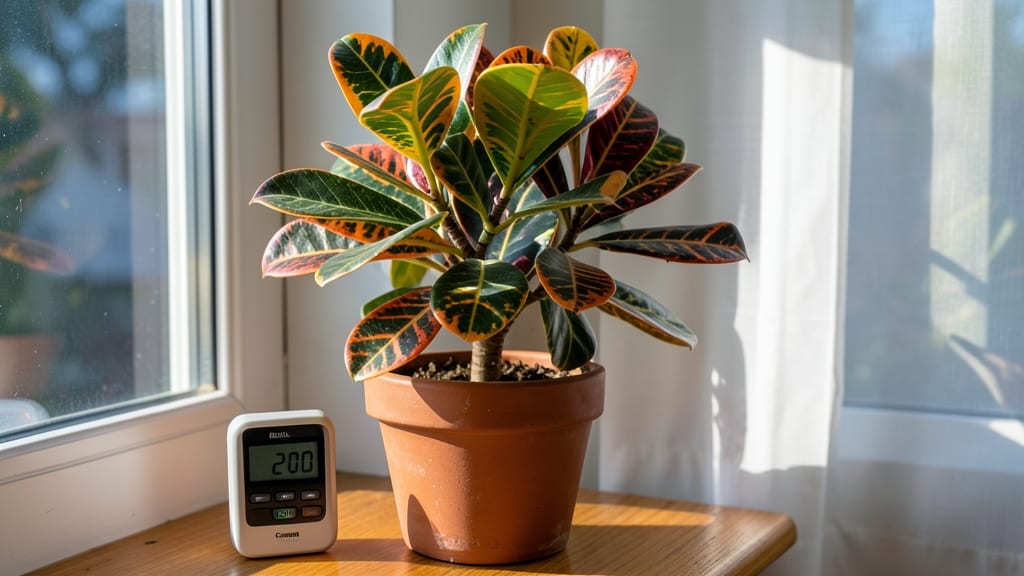
If you're wondering how much light does a croton plant need, watch out—getting it wrong is the fastest way to kill its fiery colors or let it grow leggy.
Crotons thrive under bright indirect sunlight, but too much direct sun or too little light can turn their stunning foliage dull or even crispy.
I’ve seen crotons go from lush, colorful showstoppers to sad, fading shadows just because of light mistakes. The good news? Getting it right is easier than you think.
With the proper balance of 4-6 hours of bright, filtered light daily, your croton will reward you with bold hues and healthy growth.
Whether you’re dealing with a sun-drenched windowsill or a dim corner, I’ll show you how to spot the signs of too much or too little light—and exactly how to adjust your plant’s spot for maximum vibrancy. Let’s bring back that show-stopping foliage!
From indoor placement hacks to seasonal tweaks, you’ll learn the key to keeping your croton happy year-round. No more guesswork—just lush, colorful leaves that steal the show.
 Best Window Placement
Optimal light requirements for croton plants: bright indirect sun explained
Croton plants (Codiaeum variegatum) thrive when they receive bright indirect sunlight for 4 to 6 hours daily. This light condition mimics their natural tropical habitat, where dappled sunlight filters through tree canopies.
Without proper light, your croton may lose its vibrant foliage colors or develop weak, leggy growth. The key is balancing enough light for energy production without exposing the leaves to harsh, direct rays that can scorch them.
Many gardeners confuse bright indirect light with dim light or partial shade. Bright indirect light means the area receives ample natural light but without the intense midday sun. Think of it as the light you’d find near an east-facing window or under a sheer curtain.
This environment allows your croton to photosynthesize efficiently while protecting its delicate leaves from UV damage.
If you're unsure whether your space offers bright indirect light, perform a simple test: Place a piece of white paper near your croton for a few hours. If the paper shows slight yellowing but no dark shadows, you likely have the ideal light conditions.
Alternatively, observe how your croton’s leaves respond—healthy growth and rich colors are your best indicators.
Here’s how to identify the perfect light setup for your croton plant:
| Light Condition | Daily Light Hours | Signs of Healthy Croton | Signs of Stress |
|---|---|---|---|
| Bright Indirect Light | 4-6 hours | Vibrant foliage, compact growth, no leaf drop | None (ideal conditions) |
| Low Light | <4 hours | Pale leaves, leggy stems, slow growth | Yellowing leaves, leaf drop, weak stems |
| Direct Sunlight | >6 hours (especially midday) | None (leaves burn quickly) | Brown crispy edges, leaf scorch, wilting |
| Partial Shade | 2-4 hours (filtered light) | Muted colors, slower growth | Leggy growth, pale leaves, weak stems |
When your croton isn’t receiving enough light, the first signs are usually pale or yellowing leaves and stretched-out stems. This happens because the plant stretches toward any available light source, a condition called etiolation.
If left unchecked, your croton may become weak and prone to pests. To fix this, gradually move your plant to a brighter spot over 1-2 weeks to avoid shocking its leaves.
On the other hand, excessive direct sunlight causes leaf scorch, where edges turn brown and crispy. This damage is irreversible, but you can prevent it by placing your croton near a window with a sheer curtain or using a light filter.
If your croton is outdoors, position it in a spot that receives morning sun but is shaded during the hottest afternoon hours (typically 12 PM to 4 PM).
Seasonal changes also affect light exposure. During winter, when daylight hours shorten, your croton may need supplemental grow lights to maintain its 4-6 hours of bright indirect light. A simple LED grow light placed 12-18 inches above the plant for 6-8 hours daily can make a significant difference.
In summer, if you notice leaves curling or wilting, it’s a sign your croton is getting too much direct sun—adjust its position immediately.
Pro tip: Rotate your croton quarter-turn weekly to ensure even light exposure on all sides. This prevents one side from becoming overly stretched or lighter in color than the others. Consistency in light exposure is key to maintaining your croton’s stunning variegated foliage and overall health.
Remember, every croton variety has slight variations in light tolerance. For example, Petra croton with its deep purple leaves may handle slightly more indirect light than Gold Dust, which boasts bright yellow variegation. Always monitor your plant’s response and adjust accordingly to keep it thriving year-round.
How to adjust your croton’s light exposure for maximum growth
Adjusting your croton’s light exposure is the secret to keeping those stunning foliage colors and preventing common issues like leaf scorch or fading hues.
I’ve learned the hard way that crotons are finicky about their light—too little and they stretch awkwardly, too much and they crisp up like overcooked leaves. The key is finding that sweet spot of bright indirect light for 4-6 hours daily.
For indoor crotons, the best spots are east-facing windows or west-facing windows where sunlight is softer. Avoid south-facing windows unless you use a sheer curtain to filter the intensity.
I’ve seen crotons thrive near my kitchen window with morning sun and afternoon shade—just rotate them weekly so all sides get even light exposure.
Outdoor crotons need protection too. While they can handle some morning sun, afternoon rays are often too harsh. A partially shaded patio with dappled sunlight works perfectly.
If you notice yellowing leaves or brown tips, it’s a sign your plant is getting too much direct sun—move it to a spot with more shade immediately.
⚠️ WARNING: Common Light Mistakes That Kill Crotons ⚠️
⚠️ Too Little Light: Leggy growth and pale leaves mean your croton is stretching toward any available light. Rotate the pot quarter-turns weekly and consider a grow light for 6-8 hours daily if natural light is insufficient.
⚠️ Seasonal Shifts: Winter’s weaker sunlight can trick crotons into thinking it’s time to rest. Supplement with a full-spectrum LED grow light 10-12 inches above the plant for 8 hours daily to maintain vibrancy.
Seasonal changes require adjustments too. In summer months, when sunlight is most intense, I move my outdoor crotons to partial shade by 11 AM. For indoor plants, sheer curtains become your best friend—filtering out up to 50% of UV rays without sacrificing brightness.
Conversely, in winter, when days grow short, I supplement with a grow light to mimic natural light cycles.
If your croton’s colors are dulling, it’s not too late to fix it! Start by pruning leggy stems back to encourage bushier growth, then adjust the light.
Place it 2-3 feet from a bright window and rotate it weekly. Within 4-6 weeks, you’ll see new leaves emerging with their original vibrant colors—worth the effort!
Remember, crotons are tropical plants at heart. They crave consistent, bright light but hate extremes. With these adjustments, your croton will reward you with bold foliage and healthy growth year-round. Happy growing!