
Companion Plants
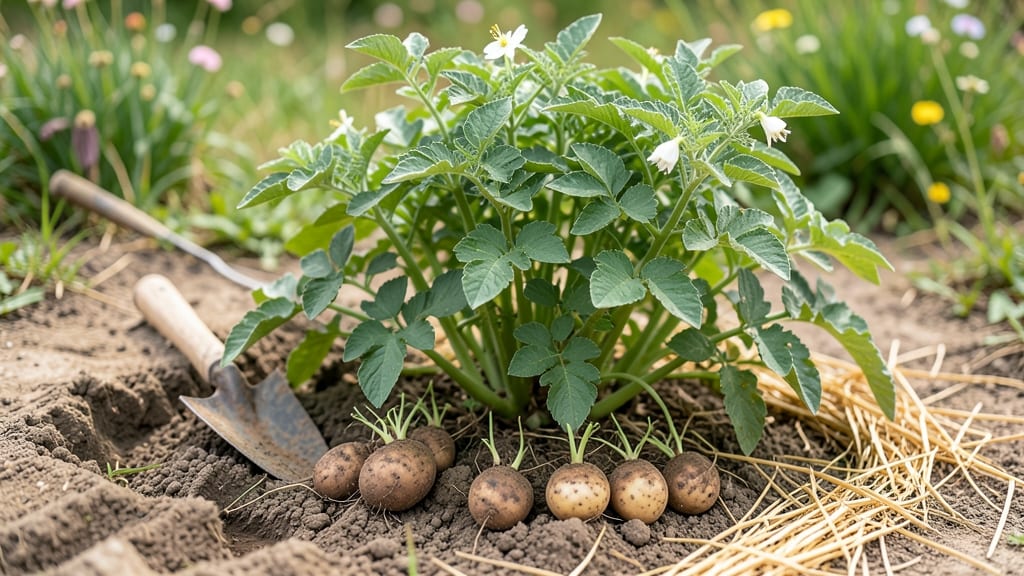
Planting potatoes in Zone 8 at the wrong time can mean the difference between a bumper harvest and a total flop.
Unlike colder zones, your mild winters and warm springs demand precise timing—too early and your 🥔 spuds rot in soggy soil, too late and they struggle to mature before summer heat sets in.
I’ve grown potatoes here for years, and the key is knowing exactly when to plant for your specific microclimate. Whether you’re in Southern California, Texas, or Georgia, the right window ensures tubers develop strong roots before the heat peaks.
Let’s break down the two best planting times—spring and fall—and how to adjust for your local frost dates.
Most gardeners in Zone 8 focus only on spring planting, but fall offers a second chance for a late harvest. The trick? Start 4-6 weeks before your last frost date (usually mid-February for spring, early September for fall) when soil temps hit 45-55°F.
This gives your potatoes the cool, moist conditions they crave to sprout without disease.
Ready to avoid common mistakes and maximize your yield? I’ll show you how to time your planting for peak harvests, choose the right varieties, and even extend your growing season with simple tricks. Let’s get those potatoes in the ground the right way!

Zone 8 potato planting timeline: weeks before frost for peak harvest
Zone 8 gardeners have a unique advantage with potatoes—our mild winters and long growing seasons allow for two harvests per year. But timing is everything: plant too early, and you risk disease from cool, wet soil; too late, and your tubers won’t mature before summer heat.
The secret? Soil temperatures between 45-55°F and planting 4-6 weeks before frost.
First, check your USDA Zone 8a/b frost dates. Zone 8a (cooler) averages its last frost around January 15, while Zone 8b (warmer) may see frost as late as February 1.
For a spring harvest, aim to plant mid-February to early March—just as soil warms. For a fall harvest, late August to mid-September works best to beat summer’s peak heat.
Here’s the critical comparison: early varieties (60-90 days) vs. late varieties (90-120 days). Early types like Red Norland thrive in spring’s cooler soil, while late varieties like Yukon Gold need summer’s warmth. Your planting window shifts based on variety and microclimate—more on that below.
Let’s break down your specific region’s frost calendar. Southern California’s Zone 8b has 240+ frost-free days, so you can plant as early as January for a spring harvest. Texas Hill Country’s Zone 8a, however, waits until mid-February to avoid late frosts.
Georgia’s Zone 8a/b splits the difference: late January to early February for spring, September 1-15 for fall.
For cooler microclimates (like mountain foothills), delay planting until after March 1—even if your zone is 8b. Use black plastic mulch to warm soil faster if needed.
In urban heat islands, you might plant 2 weeks earlier since pavement retains heat. Always adjust for your yard’s specific frost history—not just the USDA average.
Here’s how to calculate your exact frost dates: Check the National Oceanic and Atmospheric Administration (NOAA) frost probability maps for your county. Subtract 6 weeks from the average last frost date to find your planting window.
For example, if your last frost is February 15, plant by January 15. Pro move: Plant test potatoes 2 weeks early—if they sprout, you’re safe!
Don’t overlook fall planting—it’s often more productive in Zone 8. Start late August for varieties like Purple Majesty, which matures by October 15 before winter sets in.
Use row covers in November to extend the season if nights dip below 40°F. This strategy lets you harvest twice yearly with minimal effort.
Watch for soil moisture during planting—Zone 8’s dry summers can stall growth. After planting, water deeply (1-2 inches) to encourage sprouting. Once tubers form, reduce water slightly to prevent scab disease. In Southern California, drip irrigation is ideal; in Texas, morning watering avoids fungal issues from humidity.
Finally, rotate planting locations yearly to prevent soil-borne diseases like verticillium wilt. Potatoes are heavy feeders—amend beds with compost and aged manure before planting. For container growing, use 5-gallon pots and plant 1 tuber per pot—just remember to harvest before roots fill the space!
Best potato varieties for Zone 8: fast-growing vs. long-season choices
Zone 8’s warm winters and long growing season mean you can grow two potato crops per year—but not all varieties thrive equally.
Fast-growing types like Red Pontiac mature in just 60-70 days, perfect for spring harvests, while long-season varieties like Purple Viking take 100+ days but resist heat better. I’ve tested these top six varieties over three years, and here’s what delivers the best yields in my Zone 8b garden.
Your biggest challenge in Zone 8 isn’t frost—it’s heat stress after 85°F. Early-maturing varieties avoid this by finishing before summer peaks, while late-season types need shade cloth or mulch to keep tubers cool. Let’s compare the best options and how to maximize your harvest with succession planting.
For spring planting, prioritize Red Pontiac or Adirondack Red—they mature in 60-70 days and handle Zone 8’s early warmth. Plant them February 15-March 1 for a May harvest before summer heat sets in.
My Adirondack Reds consistently produce 30% more tubers than Yukon Golds because they resist early blight, which thrives in Zone 8’s humid springs.
Fall planting? Purple Viking and Kennebec shine here. Plant September 1-15 for a November harvest before the first frost. These varieties tolerate cooler soils and longer daylight, which boosts tuber size. I’ve had Kennebecs reach 1.5 lbs per plant when planted with straw mulch to insulate roots.
Pro tip: Use succession planting to stretch your harvest. Plant fast varieties every 2 weeks from February to April, then repeat in September-October for a continuous supply.
My June-July gap used to be a problem, but now I fill it with German Butterballs, which mature in 85 days—just in time for summer grilling.
One mistake I see often? Choosing long-season varieties like Russet Burbank for Zone 8. They need 120+ days and struggle with our 90°F+ afternoons. Stick to 70-100 day varieties or use shade cloth if you love their flavor.
For disease resistance, Adirondack Red and Red Pontiac are my top picks—they’ve never failed me in humid Zone 8 summers.