
Plants
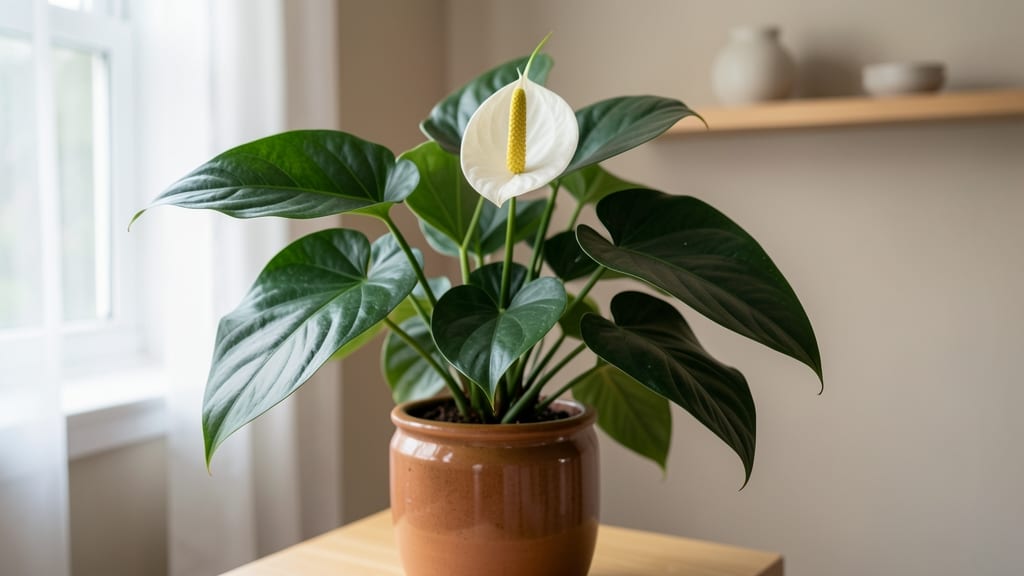
Wondering how much light does a peace lily plant need to thrive despite your best care efforts? The answer likely lies in its light needs—this tropical beauty thrives in conditions most homes accidentally get wrong.
Peace lilies aren't fussy, but they absolutely despise harsh direct sunlight or dim corners where they can't photosynthesize properly. The ideal spot balances brightness with shade, mimicking their native understory habitat.
Too little light? Your plant will droop like a sad balloon. Too much? Those gorgeous leaves will scorch in no time.
Don't worry—finding the perfect light setup is easier than you think. I'll walk you through exactly how to spot the ideal light conditions for your peace lily, plus troubleshooting tips to revive any light-related issues before they become permanent problems.
Whether you're dealing with a north-facing window or an apartment with minimal natural light, you'll discover practical solutions to keep your peace lily 🌿 lush and vibrant year-round. Let's get started!
 Best Window Placement
Peace lily light requirements: ideal sunlight conditions for healthy growth
The peace lily (Spathiphyllum) thrives in conditions that mimic its tropical origins—bright, indirect light is key to keeping its lush foliage and white blooms vibrant. Unlike sun-loving plants, this beauty struggles with harsh direct sunlight, which can scorch its delicate leaves.
Understanding its light needs is the first step to growing a thriving indoor plant.
Native to the understory of rainforests, peace lilies evolved to thrive in dappled shade where sunlight filters through tree canopies. Recreating this environment indoors ensures your plant stays healthy and produces those iconic white spathes. Let’s explore how to find the perfect spot for your peace lily.
For optimal growth, place your peace lily near an east-facing window, where morning sunlight is gentle and indirect. This spot provides 2-4 hours of light daily, which is perfect for encouraging leafy growth and flower production.
If your home lacks natural light, a north-facing window with sheer curtains can also work well.
If you notice your peace lily’s leaves darkening or growing slowly, it’s likely not getting enough light. Move it closer to a window or consider adding a grow light for 12-14 hours daily.
A simple LED grow light placed 6-12 inches above the plant can mimic natural sunlight effectively.
On the flip side, yellowing leaves or brown tips are classic signs of too much direct sunlight. Peace lilies hate intense midday rays, especially from south-facing windows. Use sheer or lace curtains to diffuse harsh light and protect your plant’s delicate foliage.
Pro tip: Rotate your peace lily quarter-turn weekly to ensure even growth. Since it grows toward the light source, this simple habit prevents lopsided development and keeps its shape balanced and full.
In bathrooms or dimly lit hallways, peace lilies can still thrive with artificial grow lights. A full-spectrum LED bulb (6400K color temperature) placed 12 inches away provides the blue and red light spectrum needed for photosynthesis without overheating the leaves.
Remember, peace lilies are forgiving plants—they can tolerate low-light conditions better than most tropical houseplants. However, for the healthiest, most vibrant plant, aim for medium indirect light and watch it reward you with lush, glossy leaves and frequent blooms.
🌿
Signs your peace lily isn’t getting enough (or too much) light
Your peace lily 🌿 might be silently screaming for help if its leaves start looking sad. Yellowing foliage or drooping leaves are classic signs of light stress, but they don’t always mean the same problem.
Too little light causes slow growth and pale leaves, while too much direct sun burns the edges, turning them crispy brown. I’ve seen both mistakes in my collection—let’s fix them!
First, check your plant’s current location. Peace lilies thrive in bright, indirect light, like a spot near an east-facing window or under filtered north light.
If your plant is in a dark corner, it’s likely starving for light, while a south-facing window without shade might be overdoing it. The key is balance—this tropical beauty hates harsh rays but won’t flourish in dim basements either.
Here’s the quick fix: Rotate your plant every few weeks to ensure even growth, and avoid placing it near heat sources like vents or radiators. If you notice brown tips on leaves, it could signal underwatering or excessive light.
Stick your finger in the soil—if it’s dry, water deeply. If it’s moist but leaves still look stressed, move it to a shadier spot immediately.
Peace Lily Light Needs: Pros & Cons
✅ Ideal Light Conditions
- Bright indirect light (e.g., north or east window)
- 2-4 hours of filtered sunlight daily
- Glossy, dark green leaves indicate happy growth
- Regular blooming (white spathe flowers)
❌ Problematic Light Conditions
- Direct sunlight → Brown leaf tips, crispy edges
- Dim corners → Pale leaves, slow growth, no flowers
- Fluorescent-only lighting → Leggy, weak stems
- Sudden light changes → Shock drooping (leaves curl)
💡 Pro Tip: Test your spot with a shadow test—hold a white sheet near the window. If the shadow is sharp, it’s too direct. If it’s fuzzy, it’s perfect!
One of the biggest misconceptions about peace lilies is that they thrive in total darkness. While they tolerate low light better than most houseplants, they’ll still stretch toward any light source, creating those unsightly, leggy stems.
If your plant looks like it’s reaching for the sky, it’s time to relocate it closer to a window or supplement with a grow light for 12-14 hours daily.
Slow growth is another red flag. If your peace lily hasn’t produced new leaves in 3-4 months, it’s likely not getting enough light. Boost its energy by moving it to a brighter spot and fertilizing lightly in spring/summer. Avoid overcrowding—if roots are circling the pot, repot into fresh soil to encourage new growth. With the right light, your peace lily will reward you with vibrant foliage and frequent blooms!
Remember: Patience is key. If you’ve recently moved your plant, give it 2-4 weeks to adjust. Monitor its leaf color, growth rate, and bloom frequency—these are your best clues.
And if all else fails, ask yourself: Is my peace lily getting the tropical rainforest vibes it craves? If not, it’s time to recreate its happy place—indirect light, humidity, and all! 🌱