
Plants
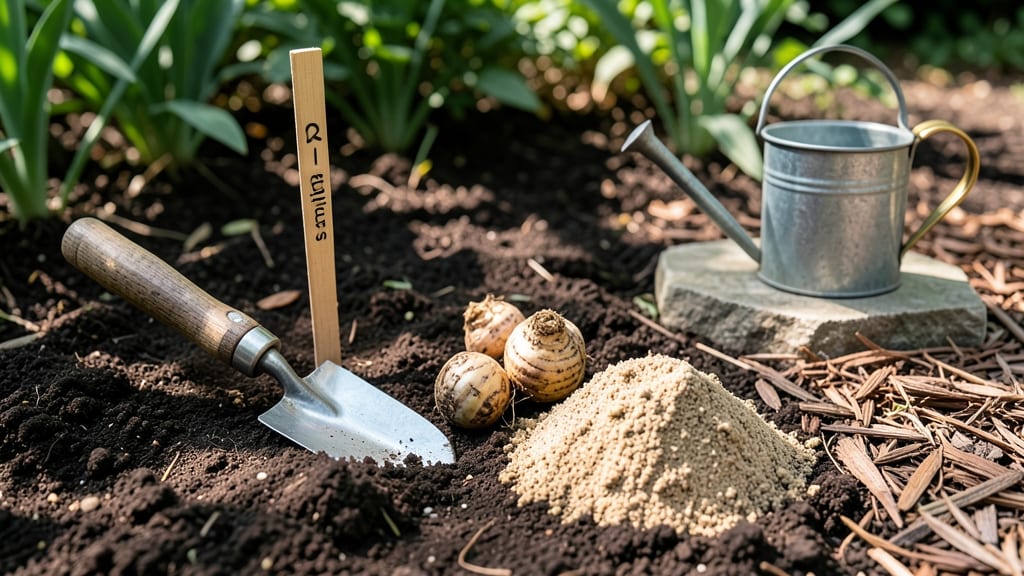
Planting calla lily bulbs at the wrong time in Ontario can mean the difference between stunning summer blooms and wasted effort. These elegant 🌸 plants thrive when planted after the last frost—typically between late April and early May—but getting it right takes more than just checking a calendar.
Ontario’s Zone 5-6 climate means frost can linger well into May, especially in northern regions, while southern areas might see earlier warm-ups. The key is waiting for soil temperatures to hit at least 60°F and ensuring no more hard frosts are forecasted.
In this guide, I’ll walk you through the exact planting timeline for your region, plus pro tips to prepare your soil and protect your bulbs from late frosts.
Whether you’re in Toronto, Ottawa, or further north, you’ll learn how to time it perfectly for vibrant, long-lasting blooms from July to September.
Ready to transform your garden with these showstopping flowers? Let’s dive into the frost-free planting schedule that works for Ontario’s unpredictable spring.
Ontario calla lily planting timeline: exact weeks before last frost by Zone
Timing your calla lily bulbs in Ontario depends on last frost dates and soil temperature thresholds. In Zone 5-6, waiting until the ground warms to 60°F (15°C) ensures healthy growth.
Southern Ontario (e.g., London) can plant 2-3 weeks earlier than northern areas (e.g., Ottawa), where late frosts linger. Use this guide to pinpoint your ideal planting window and avoid frost damage.
Calla lilies thrive in Ontario’s spring planting window, typically between late April and early May. However, microclimates—like sheltered garden beds or urban heat islands—can shift your timeline by 1-2 weeks.
For example, Toronto’s average last frost date is May 15, while Ottawa’s is May 22. Adjust for your local frost history to maximize blooms.
Here’s your Ontario calla lily planting timeline by region, including soil readiness cues and frost-free deadlines:
To confirm your soil is ready, insert a soil thermometer 2 inches deep. Aim for 60°F (15°C) consistently for 3-5 days. In clay-heavy soils (common in southern Ontario), amend with compost to improve drainage. If your soil stays cold, opt for container planting to control temperature.
Pro tip: Use black plastic mulch 2-3 weeks before planting to warm the soil faster. This trick lets you plant 1-2 weeks earlier in cooler zones like Ottawa.
Just remove the mulch after planting to prevent overheating. For late bloomers, plant a few bulbs in containers by early June—they’ll still thrive with afternoon shade.
Watch for false springs, where warm weather tricks you into planting too early. Check your local Environment Canada frost forecast weekly. If frost is predicted within 10 days of planting, delay until soil temps stabilize.
Calla lilies are frost-sensitive, but established plants can tolerate light frosts once leaves emerge.
After planting, water deeply to settle the soil and encourage root growth. Mulch with 2-3 inches of straw to retain moisture and protect bulbs from temperature swings.
In Zone 5, add an extra layer of mulch in fall to insulate bulbs through winter. This simple step ensures vibrant blooms next season.
For container-grown calla lilies, plant bulbs in pots by early May and place them in a sheltered spot. Move containers indoors before first frost (mid-October) to extend the season. This method works well in urban gardens with limited space or microclimates prone to late frosts.
Remember: Calla lilies bloom 90-120 days after planting. To enjoy flowers by July 4th, aim to plant by early May in most of Ontario. Adjust for
5 Signs your Ontario soil is ready (and 3 mistakes to avoid)
Before you plant calla lily bulbs in Ontario, your soil temperature and moisture levels must meet specific conditions. Calla lilies 🌸 thrive in soil that’s warm (at least 60°F) and well-draining, but Ontario’s spring can be unpredictable.
Testing your soil now saves you from wasted bulbs or stunted growth later.
One of the biggest mistakes Ontario gardeners make is planting too early when the soil is still cold and soggy. Clay-heavy soils common in southern Ontario can trap moisture, leading to rot, while northern regions often face late frosts that damage tender shoots.
Let’s break down the 5 key signs your soil is ready—and the 3 critical mistakes to avoid.
Soil Readiness Checklist for Ontario
✅ DO THIS
- Test soil temp: Use a soil thermometer—aim for 60°F+.
- Check moisture: Soil should feel damp but not soggy.
- Improve drainage: Amend clay soil with compost or sand.
- Wait for frost-free: Confirm no hard frosts in forecast.
- Choose sunny spot: Morning sun (3-6 hours) is ideal.
❌ AVOID THIS
- Planting in cold soil: Below 50°F delays growth.
- Ignoring clay soil: Waterlogged soil causes bulb rot.
- Skipping frost check: Late frosts kill tender shoots.
First, use a soil thermometer to confirm temperatures are consistently above 60°F. In southern Ontario, this usually happens by mid-May, while northern areas may need to wait until early June. Cold soil slows root development, leaving your calla lilies vulnerable to pests and disease.
Next, test your soil’s moisture by squeezing a handful—it should hold together but not feel sticky. If your soil is clay-heavy (common in regions like London or Hamilton), mix in compost or coarse sand to improve drainage.
Poor drainage is a silent killer for calla lilies, leading to bulb rot before they even bloom.
Another critical sign is the absence of frost warnings for at least 2 weeks. Check your local Environment Canada frost forecast—even a light frost can damage emerging shoots. In Ottawa or northern regions, this might mean waiting until late May or early June for safety.
Finally, choose a planting spot with morning sun exposure (3-6 hours) and afternoon shade if your area gets intense summer heat. Calla lilies tolerate partial shade but avoid deep shade, which weakens stems and reduces blooms. 🌿