
Plants
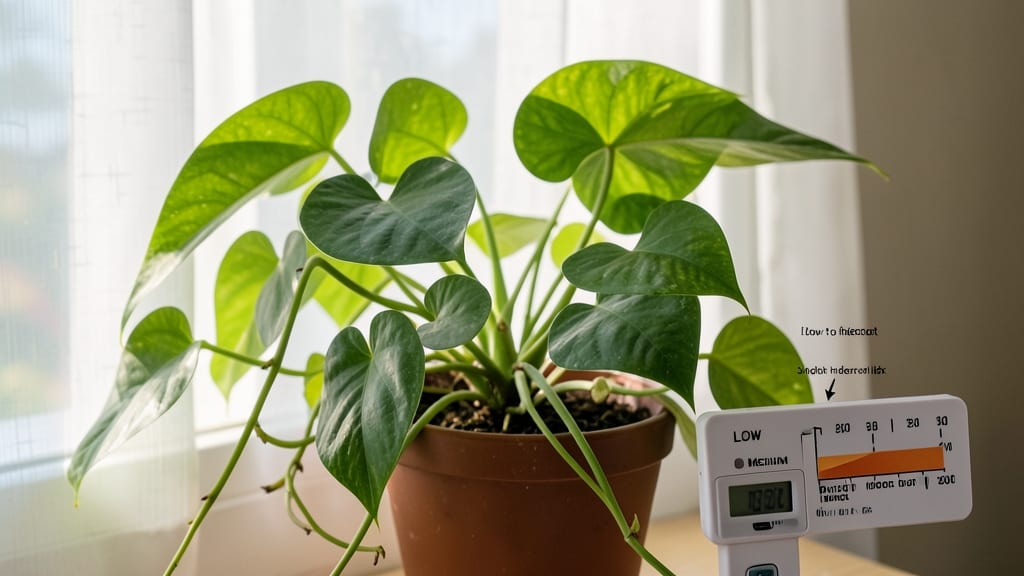
Wondering how much light does this philodendron plant need to stop stretching toward the window like it’s searching for a hug? The answer lies in how much light it actually needs—and it’s not what you might think.
Most people assume these lush, trailing plants thrive in bright sunlight, but that’s a common mistake. Philodendrons actually prefer low to medium indirect light, making them perfect for homes with limited natural brightness.
Too much direct sun? You’ll see crispy brown edges. Too little? Leggy, weak growth that sags under its own weight.
In this guide, I’ll break down exactly how to spot the perfect lighting spot in your home—whether it’s a north-facing window, a cozy corner under artificial light, or even a bathroom with soft, diffused sunlight.
You’ll also learn how to fix those telltale signs of light stress before they become permanent damage.
Ready to turn your struggling Philodendron 🌿 into a thriving, vibrant centerpiece? Let’s get started with the lighting secrets these plants actually love.
 Best Window Placement
Philodendron light requirements: ideal low to medium indirect sunlight explained
Philodendrons thrive in low to medium indirect sunlight, making them perfect for homes with limited natural light. Unlike sun-loving plants, these tropical beauties despise direct sunlight, which can burn their delicate leaves.
The key is finding that sweet spot where they get enough light to grow but stay protected from harsh rays.
Most philodendron varieties—like the popular Heartleaf (Philodendron hederaceum), Brasil (Philodendron erubescens), and Xanadu (Philodendron bipinnatifidum)—prefer bright, filtered light. This means placing them near windows with sheer curtains or a few feet away from the glass.
Think of it as giving them a gentle sunbath, not a full-blown tan.
Why direct sunlight is a death sentence: Too much sun causes leaf scorch, turning edges crispy and brown. Over time, this stress weakens the plant, making it more susceptible to pests and disease. The goal is to mimic their natural understory habitat, where dappled light filters through tree canopies.
Now, let’s break down the exact light needs for different philodendron types in a simple, actionable format:
For Heartleaf philodendrons, a north-facing window is ideal because it provides the softest, most consistent light. If you only have south-facing windows, place your plant at least 5 feet away to avoid direct rays.
Even a bright bathroom with a frosted glass window can work if the plant isn’t touching the glass.
In rooms with east or west-facing windows, position your philodendron 3–5 feet away to filter the morning or afternoon sun. If you notice leaves leaning toward the light, it’s a sign your plant is stretching—a classic indicator of light hunger.
Rotate the pot quarter-turns every 2 weeks to encourage even growth and prevent lopsided foliage.
Pro tip: If your home lacks natural light, supplement with a grow light placed 6–12 inches above the plant for 12–14 hours daily. LED grow lights with a full-spectrum setting (red and blue wavelengths) are the most efficient for philodendrons. Avoid cheap clip-on lights—they often emit too much heat, which can damage leaves.
Remember, philodendrons are adaptable but not invincible. If you move your plant to a brighter spot, do it gradually over 1–2 weeks to avoid shocking the leaves.
Sudden changes can cause yellowing or browning, even if the light is technically "ideal." Think of it like sunbathing: slow and steady wins the race 🌿.
Next, we’ll cover signs your philodendron isn’t getting enough (or too much) light, so you can diagnose and fix common issues before they become serious. Stay tuned!
Signs your philodendron isn’t getting enough (or too much) light
If your philodendron is sending you SOS signals with yellowing leaves or stretched-out stems, it’s likely struggling with light exposure. These plants are masters of adapting to low light, but even they have limits.
The key is recognizing the subtle differences between underlighting and overlighting—both can look alarming at first glance.
Most beginners assume brown, crispy edges mean too much sun, but slow growth and pale leaves often signal insufficient light. Philodendrons like Heartleaf or Brasil varieties will stretch toward light sources, creating that classic "leggy" look.
The good news? Fixing these issues is easier than you think with simple adjustments.
🌿
Too Much Light
- 🔥 Brown crispy edges on leaves
- ⚡ Bleached or yellow patches
- 🌡️ Leaves feel dry or papery
- 🌞 Direct sun exposure (south/west windows)
Too Little Light
- 🟡 Pale, light green leaves
- 🌱 Leggy, stretched stems
- 🐢 Slow or no new growth
- 🏠 Dark corners or north-facing windows (too far)
💡 Solution: Move to bright indirect light (3–5 ft from east/west windows) or use grow lights 10–12 hours/day.
Start by examining your philodendron’s leaves and stems. If you see brown crispy edges or sunburnt patches, it’s getting too much direct light—especially if it’s near a south- or west-facing window.
Move it to a spot with filtered sunlight, like behind a sheer curtain or 3–5 feet from an east-facing window.
On the flip side, if your plant looks leggy and sparse with pale leaves, it’s craving more light. Rotate the pot quarter-turns weekly to ensure even growth, or supplement with a 12-inch LED grow light 6 inches away for 8–10 hours daily.
This mimics natural light cycles without the risk of over-exposure.
For climbing varieties like Philodendron Brasil, provide a moss pole or trellis to encourage vertical growth. Without support, they’ll sprawl toward light sources, creating an unruly mess. Prune leggy stems back to a leaf node to encourage bushier growth and redirect energy to healthier foliage.
🪴