
Plants
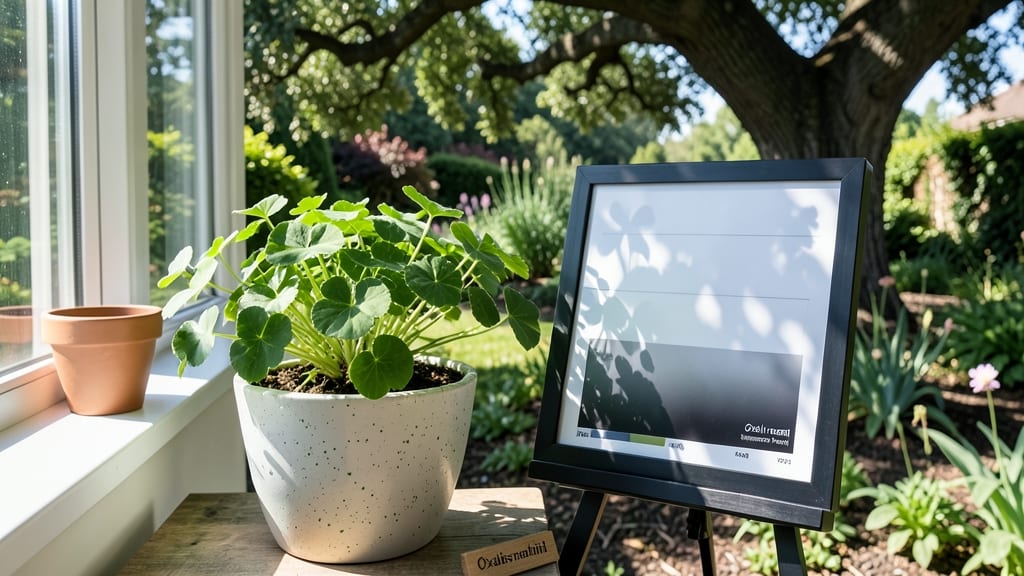
Optimal light requirements for shamrock plants: the science behind 3-4 hours of bright indirect sun
If your shamrock plant (Oxalis spp.) looks pale or leggy, it’s likely crying out for the right light conditions. Unlike sun-loving succulents, these delicate plants thrive in bright indirect light, not harsh direct sun.
Understanding the light spectrum and intensity is key to keeping your shamrock lush and vibrant year-round.
Shamrocks evolved in woodland understories, where they receive filtered sunlight through tree canopies. This means they need 4-6 hours of bright indirect light daily, but never the intense midday rays that can scorch their tender leaves.
The blue and green wavelengths (400-500nm) are especially critical for photosynthesis in these plants.
| Light Requirement | Specification | Ideal Conditions |
|---|---|---|
| Daily Light Hours | 3-4 hours | Morning sun + filtered afternoon light |
| Light Intensity | Bright indirect | East-facing window or under sheer curtains |
| Light Spectrum | 400-500nm (blue/green) | Essential for photosynthesis and chlorophyll production |
| Seasonal Adjustments | Winter reduction | Move to south-facing window or supplement with grow lights |
| Direct Sun Tolerance | 0-1 hour max | Only morning sun; afternoon sun causes leaf burn |
The light intensity scale for shamrocks runs from 1 (deep shade) to 10 (full sun). Aim for a 4-5 rating—this means placing your plant where it gets dappled sunlight or filtered light through sheer curtains.
A west-facing window can work in summer, but watch for leaf bleaching if exposure exceeds 2 hours.
Indoor growers often struggle with artificial light sources. Fluorescent bulbs (6000K color temperature) mimic natural light best, while LED grow lights with blue spectrum dominance (440-460nm) can compensate for low-light spaces. Position lights 6-12 inches above the plant for 12-14 hours daily during winter months.
Seasonal changes dramatically affect light needs. In spring and fall, your shamrock can handle 3-4 hours of morning sun before needing shade. But during summer's intense midday rays, even 2 hours of direct sun can cause leaf scorch—noticeable as crispy brown edges.
Use white sheer curtains to diffuse light when needed.
Outdoor shamrocks in USDA Zone 6a benefit from natural shade structures, like placing them under deciduous trees that provide summer shade but allow winter sun. If growing in containers, rotate pots quarter-turns weekly to ensure even light exposure and prevent lopsided growth.
One common mistake is assuming more light is always better. Shamrocks exhibit etiolation (stretched, weak stems) when deprived of light, but they also show photoinhibition (burnt leaves) when over-exposed. The sweet spot is bright indirect light—think of it as sunlight through a stained-glass window.
For urban apartments with limited natural light, combine east-facing windows with reflective surfaces (like mirrors) to maximize light bounce. If your shamrock develops purple-tinged leaves, it’s a cry for more blue light—supplement with a cool-white LED bulb for 4-6 hours daily.
Remember, shamrocks are sensitive to temperature fluctuations near windows. Keep them 3-5 feet from glass to prevent cold drafts in winter or heat stress in summer. A thermometer near the plant helps monitor ideal 65-75°F range during daylight hours.
By mastering these light spectrum nuances, you’ll transform your shamrock from a struggling survivor to a vibrant, blooming centerpiece. Start with 3 hours of bright indirect light, observe leaf responses, and adjust gradually—your shamrock will thank you with lush green foliage and cheerful blooms.
Signs your shamrock isn't getting enough (or too much) light - and how to fix it
Your shamrock plant might be silently screaming for help through its leaves. When light conditions are off, these delicate plants show clear visual symptoms that help diagnose the issue quickly.
The most common red flags include yellowing leaves, stretched stems, or brown leaf tips—all signs your plant's light balance is disrupted.
First, check your shamrock's leaf color. Healthy shamrocks have vibrant green leaves with occasional yellow blooms. If you notice pale yellow leaves, your plant is likely starved for light. This happens when placed in dim corners or behind thick curtains.
On the flip side, brown crispy edges or white patches mean your plant is over-exposed to direct sun, especially harsh afternoon rays.
Shamrocks need 3-4 hours of bright indirect light daily. Too little causes etiolation (weak, stretched growth), while too much leads to photoinhibition (leaf burn). Here's how to spot the difference:
- ✅ Healthy: Compact growth, deep green leaves, occasional blooms
- ❌ Underlighted: Leggy stems, small pale leaves, sparse foliage
- ❌ Overlighted: Brown crispy edges, bleached patches, wilting
Fix it by moving your plant to an east-facing window or using sheer curtains to diffuse harsh light. For low-light offices, supplement with a cool-white LED bulb 12 inches away for 6 hours daily.
Your shamrock's growth pattern also reveals its light needs. If stems are stretched and weak (a condition called etiolation), it's reaching for more light. This often happens in north-facing windows or under artificial lights that lack blue spectrum.
To fix this, rotate your plant quarter-turns weekly for even growth and move it closer to a light source.
For office environments with limited natural light, place your shamrock near a south-facing window during winter months when light is strongest. If that's not possible, use a grow light with blue spectrum LEDs.
Position it 6-12 inches above the plant for 12-14 hours daily to mimic natural daylight cycles. Avoid placing your shamrock near air conditioning vents or heating ducts, as temperature fluctuations stress the plant.
Seasonal changes require adjustments too. In summer, move your shamrock to a spot with morning sun only—afternoon rays are too intense. Use white sheer curtains to filter light if needed.
During winter, supplement with grow lights if natural light drops below 4 hours daily. Watch for purple-tinged leaves, which indicate blue light deficiency—common in fluorescent lighting environments.
Pro tip: Use a light meter app to measure your space's light intensity. Aim for 1,000-3,000 foot-candles of bright indirect light. If your reading is below 1,000, supplement with artificial light.
For outdoor shamrocks, provide afternoon shade using a cloth shade cloth with 30-50% blockage to prevent leaf burn.
Remember, your shamrock's light needs change with its growth stage. Young plants tolerate slightly lower light than mature specimens. If your shamrock isn't blooming, it might need 1-2 more hours of light daily. The key is observation—watch how your plant responds to light adjustments and tweak gradually.
With the right light balance, your shamrock will reward you with vibrant green leaves and cheerful blooms all season long.