
Plants
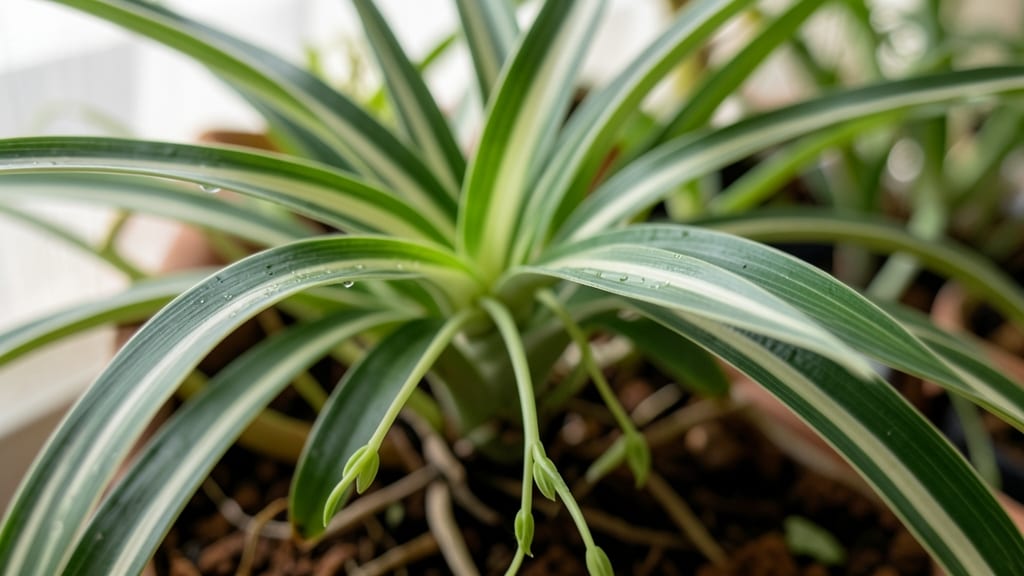
If your 🕷️ spider plant is looking more like a sad, leggy shadow than a vibrant houseplant, you might be getting how much light does a spider plant require all wrong.
Most people assume these hardy plants thrive in any corner, but the truth is, they’re picky about their glow-up conditions—and too much or too little light can turn your green friend into a crispy mess.
The ideal spot for a spider plant is bright indirect light, like the kind you’d find near an east or north-facing window. Too much direct sun? Watch those leaves scorch. Not enough light? Your plant will stretch dramatically, reaching for any crumb of brightness it can find.
The good news? They’re forgiving enough to handle lower light, but you’ll miss out on those striking variegated stripes if you don’t give them the right balance.
I’ve tested every scenario—from dim offices to sun-drenched living rooms—and the results are in. With the right light, your spider plant won’t just survive; it’ll flourish, producing those iconic baby spider plant offsets that make propagation a breeze.
Let’s cut through the guesswork and find the perfect light zone for your 🕷️ spider plant to shine.
Ready to transform your plant’s fate? I’ll walk you through exactly how to spot the signs of light stress, where to place your plant for maximum growth, and even how to fix mistakes—no green thumb required. Your spider plant’s comeback story starts here.
 Best Window Placement
Spider plant light requirements: ideal zones for healthy growth
If your spider plant (Chlorophytum comosum) is struggling, the culprit is often light exposure. These plants thrive in bright indirect light but can survive in low-light conditions—though their growth and variegation will suffer.
The key is finding that sweet spot where your plant gets enough light to stay vibrant without getting scorched by direct sun.
Direct sunlight is a death sentence for spider plants. Their delicate leaves burn easily, turning yellow or brown at the edges. Even just a few hours of harsh afternoon sun can cause irreversible damage.
Instead, aim for dappled sunlight or filtered light, like what you’d find under a sheer curtain or in a north-facing window.
Now let’s break down exactly what your spider plant needs to flourish. The table below summarizes the ideal light conditions, including how to spot the perfect spot in your home and what to avoid.
For variegated spider plants, bright indirect light is non-negotiable. These varieties need extra light to maintain their striking stripes, which fade to solid green in low light. If you notice your plant’s variegation disappearing, it’s a clear sign it’s time to move it closer to a light source.
Low-light conditions won’t kill your spider plant, but it will grow leggy and weak. The leaves will stretch toward any available light, becoming thin and sparse.
If this happens, rotate your plant every few weeks to encourage even growth and consider supplementing with a grow light if natural light is scarce.
Pro tip: Test your spot by placing your hand near the plant. If you can comfortably read a book without needing a lamp, the light is likely too dim.
If your hand feels warm after a few minutes, the light is too intense. Aim for that lukewarm touch—just right for your spider plant’s delicate foliage.
Even in ideal conditions, spider plants appreciate a brief respite from direct light during peak sun hours (11 AM–3 PM). If you notice crispy edges on leaves, it’s a red flag that your plant is getting too much harsh light.
Move it back a few feet or add a sheer curtain to diffuse the sunlight.
Remember, spider plants are incredibly forgiving. They’ll survive in less-than-ideal light, but they’ll truly thrive when given the right conditions.
With the perfect balance of bright indirect light, your plant will reward you with lush, arching leaves and those adorable spiderettes (the baby plants that dangle from the ends of its stems).
🌿
Signs your spider plant isn’t getting enough (or too much) light
Your spider plant (Chlorophytum comosum) might be silently screaming for help—through its leaves. These hardy plants show clear visual cues when their light conditions are off. Ignoring these signs often leads to stunted growth or even plant death, but the good news?
Adjusting light exposure can revive your plant in just weeks. Let’s decode the language of your spider plant’s foliage.
First, observe the leaf color. Healthy spider plants boast vibrant green leaves with white or yellow stripes (in variegated varieties). When leaves turn dull green or solid dark green, it’s a cry for more light.
Meanwhile, yellowing or crispy brown tips often signal too much direct sunlight. These aren’t just cosmetic issues—they directly impact your plant’s ability to photosynthesize and thrive.
⚠️ callout warning ⚠️
Ideal: Bright indirect light (4-6 hours daily)
Minimum: Low to medium indirect light (tolerates fluorescent lighting)
Danger Zone: Direct sunlight (causes leaf burn)
Fix: Move to east or north-facing windows; use sheer curtains to diffuse light.
⚠️ Pro Tip: Rotate your plant weekly for even growth—light stress shows first on exposed sides!
Slow growth is another red flag. If your spider plant’s offsets (baby plants) aren’t forming or are tiny and sparse, it’s likely starved for light. Conversely, if leaves grow long and leggy (reaching toward light sources), your plant is stretching—another sign of insufficient light. Even worse, brown patches or white streaks on leaves? That’s sunburn, caused by too much direct sunlight.
Let’s troubleshoot with a simple light audit. Check your plant’s current location: Is it near a window? Which direction does it face? North or east windows provide perfect bright indirect light, while south or west windows often mean too much harsh light.
If your home lacks natural light, grow lights (12-14 hours/day) can save your spider plant—just keep them 6-12 inches away to avoid leaf scorch.
Adjusting care based on symptoms is key. For underlit plants, gradually increase light exposure over 1-2 weeks to avoid shocking the plant. Move it closer to a window or supplement with a LED grow bulb.
For overlit plants, immediately shift to a shadier spot (like a bathroom with indirect light) and trim any damaged leaves with sterilized scissors. Prune brown tips to encourage new growth—your spider plant will thank you with fresh, vibrant foliage.
Remember, spider plants are forgiving but not indestructible. Pay attention to their growth patterns and leaf health, and you’ll create the perfect light conditions for a lush, thriving plant. With the right adjustments, your spider plant will reward you with long, arching leaves and abundant offsets in no time! 🌿