
Plants
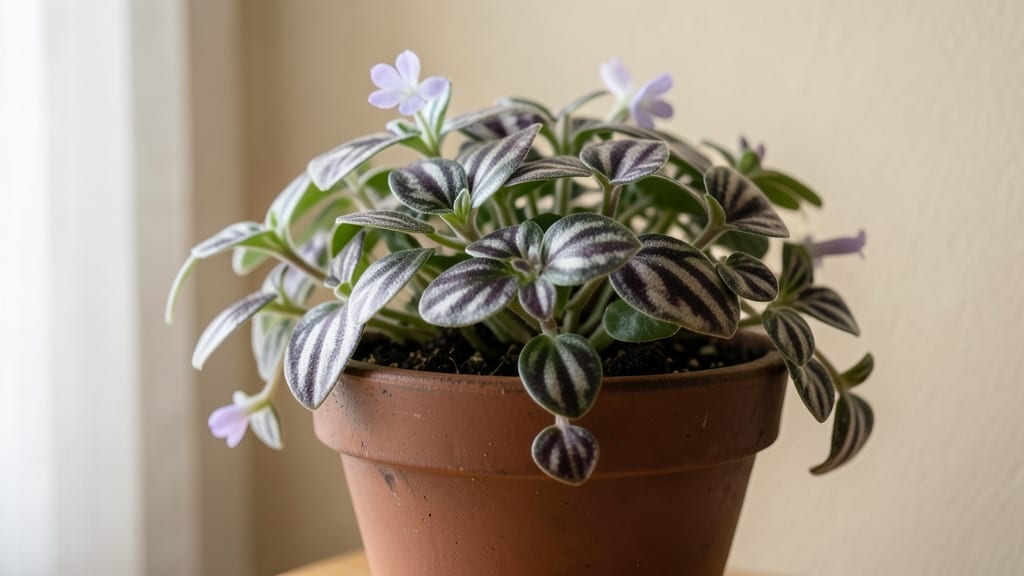
If you’re wondering how much light does an inch plant need, you’re not alone—most people overlook the bright indirect light this plant actually craves. Too little, and it grows leggy; too much, and those pretty purple stems turn crispy.
The secret to keeping your inch plant lush and compact lies in nailing the light balance, and I’ve got the exact formula to share.
You might think all plants thrive in the same conditions, but inch plants are picky about their light source. Unlike sun-worshipers, they prefer the gentle glow of an east-facing window rather than harsh afternoon rays.
This means your morning coffee spot could be the perfect perch for your plant—just don’t let it bake in direct sunlight after noon.
What happens when you get the light wrong? Yellowing leaves or brown edges are your plant’s way of saying, “I’m not happy here.” But don’t worry—fixing it is easier than you think.
I’ll walk you through how to spot those signs early and adjust your setup for healthy growth, whether you’re dealing with a low-light apartment or a sun-drenched balcony.
Ready to transform that sad, stretched-out inch plant into a vibrant, bushy beauty? Let’s dive into the ideal light conditions and practical tips to keep your plant thriving year-round—no guesswork required.
 Best Window Placement
Optimal light requirements for inch plants: bright indirect sun explained
If you’ve ever watched your inch plant (Tradescantia zebrina) stretch toward the light like a sleepy cat reaching for the sun, you’re not alone. These striking plants thrive on bright indirect light, but getting the balance right can feel like solving a puzzle.
Too little light and your plant becomes leggy and weak; too much, and those gorgeous purple stems turn crispy at the edges. Let’s break down the science and practical tips to keep your inch plant happy and compact.
The key to understanding your inch plant’s light needs lies in photosynthesis efficiency. These plants evolved to capture light in dappled forest understories, where sunlight filters through leaves above. This means they need enough light to fuel growth but can’t handle the intense UV rays of direct afternoon sun.
Think of it like Goldilocks—you want the light to be just right, not too harsh and not too dim.
Here’s the breakdown: bright indirect light is your goal, which translates to about 4-6 hours of filtered sunlight daily. This could be an east-facing window where morning sun gently illuminates your plant, or a spot near a west-facing window where the afternoon light is softer.
If you’re growing your inch plant outdoors, a location under partial shade, like beneath a tree with sparse branches, mimics its natural habitat perfectly.
🌱
| Light Type | Daily Duration | Ideal Location | Plant Response |
|---|---|---|---|
| Low Light | Less than 2 hours | North-facing window or deep shade | Leggy growth, pale leaves, weak stems |
| Medium Light | 2-4 hours | East/west window or filtered shade | Moderate growth, healthy foliage |
| Bright Indirect | 4-6 hours | 2-3 feet from east/west window | Optimal growth, vibrant colors, compact |
| Direct Sun | More than 6 hours | South-facing window or full sun | Brown edges, crispy leaves, stress |
Seasonal adjustments are crucial because the intensity and duration of sunlight change dramatically throughout the year. During spring and fall, when daylight is softer and angles are lower, your inch plant can handle more direct light—even up to 2-3 hours of morning sun.
However, in the summer months, when the sun is at its peak, you’ll need to protect your plant from afternoon sun between 12 PM and 4 PM. This is when UV rays are strongest and can scorch your plant’s delicate leaves.
If you notice your inch plant’s leaves turning yellow or brown, it’s a red flag. Yellowing often signals too much direct sun, while brown, crispy edges are a sure sign of sunburn.
On the flip side, if your plant starts to stretch excessively or develop long, weak stems, it’s craving more light. These are clear signs that your inch plant isn’t getting the bright indirect light it needs to thrive.
Pay attention to the color of the undersides of the leaves—if they’re losing their purple striations, it’s another clue that light levels are off.
For indoor gardeners, positioning is everything. Place your inch plant within 2-3 feet of an east-facing window to give it the perfect balance of light. If you only have a south-facing window, use a sheer curtain to diffuse the harsh light.
Outdoor growers should aim for a spot that receives morning sun and afternoon shade, such as under a patio cover or near a building that casts shade in the hottest part of the day.
One common mistake is assuming that more light is always better. While inch plants love light, they’re not desert cacti—they can’t handle intense, unfiltered sunlight. If you’re unsure about your plant’s light conditions, try rotating it quarter-turns every few days.
This ensures even growth and helps you spot any areas where light might be too harsh or insufficient. Over time, you’ll develop a keen eye for the perfect spot that keeps your inch plant looking its best.
🪴
How to adjust light for inch plants in different environments
Your inch plant thrives in bright indirect light, but real-world environments rarely match this perfectly. Whether you're in a low-light apartment, a sun-drenched kitchen, or an outdoor shade garden, small adjustments can make all the difference.
The key is understanding how to mimic natural conditions without causing stress—whether through window placement, DIY grow lights, or reflective surfaces.
Inch plants are famously adaptable, but their foliage patterns and growth habits change dramatically with light exposure. Too little light leads to leggy stems and pale leaves, while too much causes sunburned edges and faded stripes.
The goal is to find that sweet spot of 4-6 hours of bright indirect light daily, but we’ll show you how to achieve this in any setting—even without a perfect window.
Light Adjustment Solutions for Inch Plants
Low-Light Homes (North-Facing Windows)
- Pro: Prevents scorching
- Con: Causes stretching
- Fix: Use LED grow lights 10-12" away for 6-8 hours/day
South-Facing Windows
- Pro: Natural brightness
- Con: Harsh afternoon sun
- Fix: Sheer curtain + rotate pot weekly
Outdoor Shade Gardens
- Pro: Natural humidity
- Con: Inconsistent light
- Fix: Move to dappled sunlight under trees
DIY Light Hacks
- Pro: Affordable solutions
- Con: Requires monitoring
- Fix: Aluminum foil behind pot or reflective paint on walls
For low-light homes, I recommend starting with a 10-watt LED grow bulb placed 12 inches above your plant. Run it for 6 hours daily to supplement natural light.
If you notice purple stems (a classic sign of light deprivation), increase the duration by 1-2 hours. Fluorescent bulbs work too, but LEDs are more energy-efficient and produce less heat, which is crucial for delicate foliage.
If your inch plant sits in a south-facing window, the biggest threat is afternoon sun between 1 PM and 4 PM. This is when UV rays are strongest and can bleach the foliage or cause crispy edges.
My trick? Hang a sheer white curtain to diffuse the light while still allowing brightness. Also, rotate your plant quarter-turns weekly so all sides get even exposure—this prevents the plant from leaning toward the light.
Outdoor inch plants love partial shade, but not all shade is equal. Avoid deep shade under dense trees where light barely reaches the leaves. Instead, place your plant where it gets filtered sunlight, like under a large oak tree or near a building with morning sun.
In shady spots, watch for slow growth or loss of variegation—these are clear signs it needs more light. A reflective surface, like a white garden wall, can bounce extra light onto the plant.
One common mistake I see is assuming all artificial light is equal. Incandescent bulbs produce too much heat and can scorch leaves, while halogen lights emit too much UV. Stick to cool-white LEDs or full-spectrum grow lights designed for plants.
And remember: more light isn’t always better. Even inch plants can get light burnout if exposed to intense artificial light for too long.
Pro tip: Use a light meter app (like Light Meter for iOS) to check your plant’s light levels. Aim for 1,000-2,000 foot-candles of bright indirect light.
If you’re in a basement apartment or windowless room, consider a smart grow light system with adjustable spectra—these mimic natural daylight cycles and can keep your inch plant thriving year-round.