
Plants
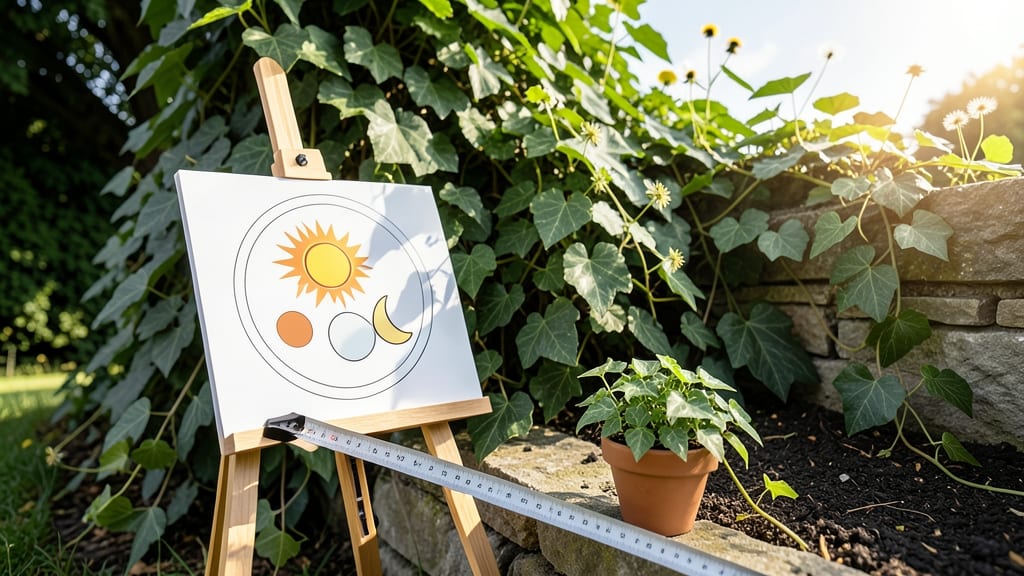
Wondering how much light your ivy plant needs to thrive? The answer might surprise you—too much direct sun can scorch its leaves, while too little leaves it stretching thin and weak. Ivy 🌿 actually prefers bright, indirect light, making it perfect for east or west-facing windows where sunlight filters gently.
Most people assume ivy can handle low light, but that often leads to leggy growth and sparse foliage. The key is finding that sweet spot—4 to 6 hours of bright, diffused light per day keeps it lush and healthy.
Whether you're growing English ivy or Boston ivy, this balance is what makes all the difference.
If your ivy starts looking pale or its leaves turn yellow, it’s a sign it’s getting too much harsh sunlight. On the flip side, if it stretches toward the light with sparse leaves, it’s craving more brightness. I’ll show you how to adjust lighting naturally—no fancy equipment needed.
Ready to give your ivy the perfect light conditions? Let’s break down the best spots in your home and how to fix common light-related issues before they become problems. Your plant’s health depends on getting this right!
 Best Window Placement
Ivy light requirements: the perfect balance between bright and indirect
Ivy plants are one of the most adaptable vines you can grow, but getting their light requirements right is key to preventing leggy growth or yellowing leaves. Unlike sun-loving succulents, ivy thrives in bright indirect light, making it perfect for east or west-facing windows where sunlight is gentle.
Too much direct sun can scorch its leaves, while too little light leads to weak, stretched vines. Let’s break down the ideal balance so your ivy stays lush and healthy year-round.
Most ivy varieties, including English ivy and Boston ivy, prefer 4 to 6 hours of bright indirect light daily. This means placing them near a window where sunlight filters through sheer curtains or positioning them a few feet back from a south-facing window to avoid harsh rays.
If your home has limited natural light, don’t worry—ivy can also tolerate low-light conditions, though growth may slow down. The trick is finding that sweet spot between too much and too little.
| Light Condition | Ideal Hours/Day | Best Window Placement | Signs of Stress |
|---|---|---|---|
| Bright Indirect Light | 4–6 hours | East/West window, 2–3 ft from south window | Healthy green leaves, compact growth |
| Low Light | 2–4 hours (or less) | North window or dim corner | Leggy stems, pale leaves, slow growth |
| Direct Sunlight | More than 6 hours | South window without filter | Brown/yellow leaf tips, crispy edges |
| Artificial Grow Light | 6–8 hours (LED) | Basement, office, or dark room | No stress if light mimics natural spectrum |
If your ivy is placed in a south-facing window, it’s crucial to filter the light using sheer curtains or a sheer panel. Direct afternoon sun can cause leaf burn, turning the edges brown and crispy.
For indoor ivy, rotate the pot quarter-turns every week to ensure even light exposure on all sides. This prevents the plant from leaning toward the light source, which can make it look uneven or stretched.
For outdoor ivy, especially varieties like English ivy growing on a trellis or fence, aim for partial shade during the hottest part of the day. Morning sun is ideal, while afternoon shade protects the leaves from intense rays.
In cooler climates, ivy can handle more direct sun, but in hot, dry areas, afternoon shade is a must. Always monitor your plant’s reaction to adjust accordingly.
One common mistake is assuming all ivy varieties have the same light needs. While most adapt well, Boston ivy (often used for walls) prefers slightly more light than English ivy, which is more shade-tolerant.
If you’re growing ivy in a north-facing window, supplement with a grow light for 4–6 hours daily to prevent leggy growth. A simple LED grow bulb placed 12–18 inches above the plant works wonders for indoor setups.
Watch for visual cues to gauge if your ivy is getting the right amount of light. Healthy ivy has deep green leaves and a bushy, compact shape.
If the leaves turn yellow or pale, it’s likely not getting enough light, while brown patches or crispy edges signal too much direct sun. Adjust the plant’s position gradually—don’t move it abruptly, as sudden light changes can shock the plant.
In homes with limited natural light, like basements or offices, choose low-light ivy varieties such as Hedera helix ‘Needlepoint’ or ‘Minima’. These varieties are bred to thrive in dimmer conditions, though they may grow more slowly.
Pair them with a grow light for best results, keeping the light on for 12–14 hours daily to mimic natural daylight cycles.
Seasonal changes also affect ivy’s light needs. During winter months, when daylight is shorter, move indoor ivy closer to the brightest window or extend artificial light exposure. In summer, if you notice the leaves wilting or turning yellow, it may be time to provide more shade.
Ivy is remarkably resilient, but paying attention to these subtle changes ensures it stays vibrant and healthy throughout the year.
Remember, the goal is consistency. Ivy doesn’t like dramatic shifts in light exposure, so if you’re adjusting its position, do it gradually over a week or two.
With the right balance of bright indirect light, your ivy will reward you with lush, glossy foliage and vigorous growth—whether it’s climbing a trellis, spilling over a shelf, or adding greenery to a shady corner of your home.
How to tell if your ivy isn’t getting enough (or too much) light
Your ivy plant’s leaves speak volumes about its light situation. Pale or yellowing foliage often signals too little light, while brown crispy edges or bleached patches mean it’s getting scorched by direct sun.
Even stretched-out vines with sparse leaves are a cry for more brightness. Let’s decode these visual clues so you can adjust your ivy’s environment before it’s too late.
Ivy thrives in bright indirect light, but it’s surprisingly adaptable. The key is finding that sweet spot where it gets enough energy to grow but avoids stress. Most gardeners overcorrect by moving plants too far from windows—either leaving them in dim corners or blasting them with harsh afternoon sun.
Both extremes will stunt your ivy’s growth or damage its delicate leaves.
🌿 Healthy ivy has deep green, glossy leaves with a compact growth habit. Stressed ivy, on the other hand, shows signs like yellowing, browning, or leggy stems. The difference often comes down to just a few inches of distance from a light source. Let’s break down the pros and cons of different light scenarios to help you diagnose your plant’s needs.
Ivy Light Conditions: Pros & Cons
✅ Bright Indirect Light (Ideal)
- Pros: Lush growth, vibrant leaves
- Cons: None (perfect balance)
⚠️ Low Light (Too Dim)
- Pros: Survives in offices/basements
- Cons: Leggy growth, sparse leaves
☀️ Direct Sun (Too Harsh)
- Pros: Fast growth in short bursts
- Cons: Brown patches, leaf scorch
🌳 Dappled Shade (Best Alternative)
- Pros: Natural light filter, no stress
- Cons: Slower growth than ideal light
If your ivy’s leaves are turning yellow between veins, it’s likely starving for light. Move it closer to an east or west-facing window where morning or afternoon sun is gentler. For brown crispy edges, the opposite is true—your ivy is suffering from sunburn.
Try placing it a few feet back from the window or use a sheer curtain to diffuse harsh rays.
Leggy growth with large gaps between leaves is another red flag. This happens when ivy stretches toward distant light sources. Rotate your plant quarter-turns weekly to encourage even growth, and consider supplementing with a grow light if natural light is insufficient.
Even a simple LED bulb can make a world of difference for indoor ivy.
Remember, ivy is resilient—it can adapt to low-light conditions if you’re patient. But for the healthiest, most vibrant plant, aim for 4-6 hours of bright indirect light daily. With these adjustments, your ivy will bounce back in weeks, showing off its signature deep green hue and lush texture.