
How To
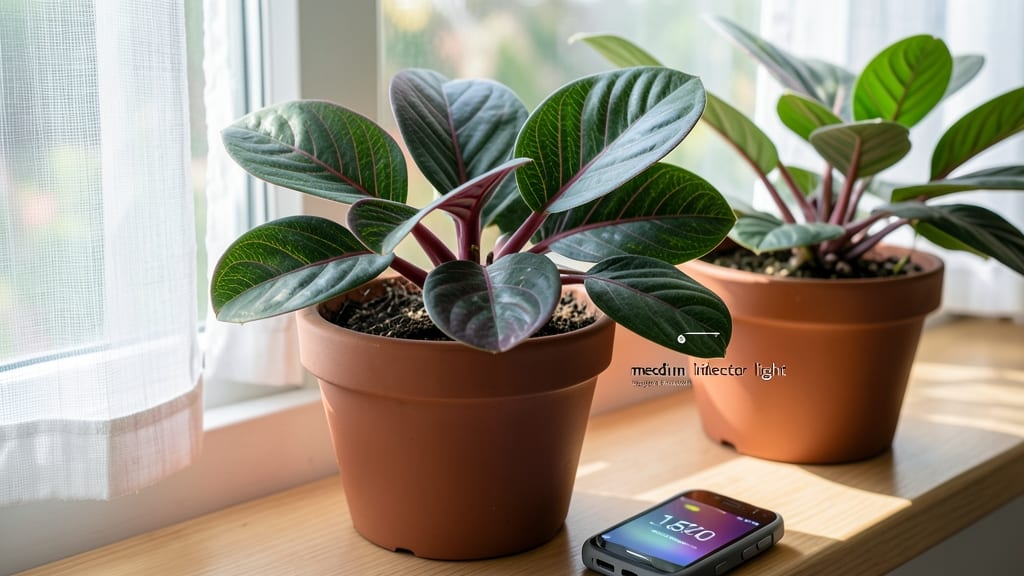
To keep your 🌿 Prayer Plant thriving, how much light does a prayer plant need is the single most important factor—get it wrong, and you’ll end up with dull leaves or a plant that looks like it’s giving up.
Most beginners struggle because they assume these plants love bright light, but the truth is far more nuanced. Too much direct sun scorches the delicate foliage, while too little dims the stunning patterns and slows growth.
The key lies in finding that sweet spot of bright, indirect light—think dappled shade rather than harsh overhead rays.
In this guide, I’ll break down exactly how many hours of light your Prayer Plant needs daily, where to place it in your home (even if you don’t have perfect natural light), and how to spot the warning signs before they become permanent problems.
By the end, you’ll have a clear, actionable plan to keep your plant’s leaves vibrant and its signature "praying" movement alive.
Whether you’re dealing with a low-light apartment or a sun-soaked room, we’ll cover everything—so your Prayer Plant stays happy, healthy, and full of that signature charm.
 Best Window Placement
Ideal light requirements for prayer plant growth and color
Your prayer plant (Maranta leuconeura) thrives on bright indirect light, which is the sweet spot for its stunning foliage patterns. Too little light dulls its colors, while too much causes leaf scorch—balancing this is key to keeping those iconic prayer movements and vibrant variegation.
The secret lies in mimicking its natural understory habitat, where dappled sunlight filters through tree canopies.
Understanding light intensity is crucial because prayer plants rely on chlorophyll production for their signature colors. Insufficient light triggers etiolation, causing leggy growth and faded patterns, while excessive light burns the delicate leaves.
The goal is 4-6 hours of filtered light daily, achieved through strategic window placement or artificial lighting solutions.
Light Requirements for Prayer Plant Growth
The chlorophyll in prayer plant leaves absorbs blue and red light wavelengths, which are essential for producing the deep greens and striking variegation. When light is insufficient, the plant stretches toward any available light source—a process called phototropism—resulting in weak, elongated stems.
This is why east-facing windows are ideal: they provide gentle morning light without the harsh afternoon sun.
For variegated cultivars like 'Kerchoviana' or 'Fascinator', light becomes even more critical. These varieties rely on anthocyanins (pigments that create purple/red hues) and chlorophyll working together. Too little light reduces anthocyanin production, making the leaves appear uniformly green and losing their visual appeal.
Position your plant where it receives morning sun and afternoon shade for the best results.
Seasonal changes also affect your prayer plant's light needs. During winter months, when natural light is scarce, you may need to supplement with grow lights to maintain color vibrancy. LED grow lights with a 6500K color temperature mimic natural daylight and are perfect for indoor setups.
Keep lights 6-12 inches above the plant and provide 12-14 hours of light daily to prevent stretching.
If you notice your prayer plant's leaves folding upward at night (the "prayer" movement), this is a healthy sign—but only if the foliage remains plump and colorful. Dull, limp leaves indicate light deprivation, while crispy edges signal excessive light exposure.
The key is observing these visual cues and adjusting your plant's location accordingly. A simple test: if you can read a book comfortably near your plant, it's likely getting enough light.
For outdoor growers, prayer plants can thrive in partial shade gardens under trees or on shaded patios. However, avoid placing them in full sun, as the leaves will quickly develop sunburn.
If you're growing outdoors in USDA Zone 10 or warmer, provide afternoon shade during peak summer months to protect the delicate foliage.
Remember, the goal is to mimic natural conditions. In the wild, prayer plants grow under the canopy of tropical forests, where light is filtered through leaves above.
Recreate this environment indoors by placing your plant 2-3 feet from an east or north-facing window, or use a sheer curtain to diffuse harsh afternoon light from south or west windows.
With the right light balance, your prayer plant will reward you with lush growth, vibrant patterns, and those mesmerizing nightly prayer movements. Pay attention to its leaf language, and you'll master the art of keeping this tropical beauty thriving year-round. 🌿
Signs your prayer plant isn’t getting enough (or too much) light
Your prayer plant (Maranta leuconeura) communicates its light needs through subtle but telling changes in its leaves and growth patterns. Unlike sun-loving plants, this tropical beauty thrives in bright indirect light but wilts under harsh conditions. Watch for these early warning signs before permanent damage occurs.
The most obvious clue is yellowing leaves, especially on older foliage. This signals too much direct sunlight causing chlorophyll breakdown. New growth may appear pale or washed out when light is insufficient, robbing the plant of the energy it needs to develop vibrant variegated patterns.
🌿
⚠️ Prayer Plant Light Requirements
Ideal: Bright indirect light (4-6 hours daily) from east or west-facing windows. Maximum direct sun: 1-2 hours of morning sunlight only.
Low light tolerance: Can survive in moderate indirect light but will grow leggy and lose variegation. Avoid: South-facing windows or harsh afternoon sun.
Seasonal adjustment: Move plants 1-2 feet closer to windows in winter when daylight weakens, then return to original spot in spring.
Drooping leaves that don’t perk up after watering often mean insufficient light. Your prayer plant may also develop stretched stems as it reaches for better light conditions—a condition called etiolation. This weakens the plant structurally and makes it more prone to falling over.
Noticeable fading of the distinctive leaf patterns is another red flag. The dark green veins and lighter backgrounds should remain crisp. When these patterns blur or disappear entirely, your plant is either getting too little light for proper photosynthesis or too much causing leaf burn.
For dark-leaved cultivars like 'Black Raspberry,' insufficient light can cause the leaves to revert to plain green. Meanwhile, light-colored varieties may develop brown patches when exposed to intense afternoon sun. Always rotate your plant quarter-turns weekly to ensure even light exposure on all sides.
If you spot these symptoms, act quickly. Move your prayer plant to a shadier spot immediately if leaves are crispy or bleached. For pale, leggy growth, supplement with a 12-inch grow light 12 hours daily until natural light improves in spring.
Consistency is key—prayer plants adapt slowly to light changes.