
Plants
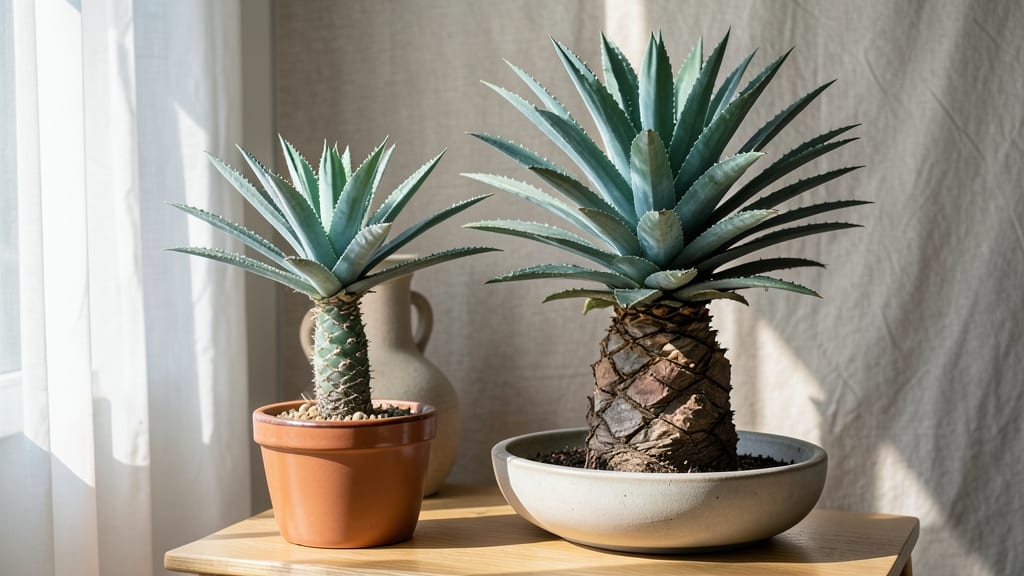
If you've ever wondered just how tall a yucca plant 🌵 can grow, you're not alone—this striking shrub can become a true garden giant, with some varieties reaching heights that will make your neighbors take notice.
Yucca plants are known for their dramatic, architectural presence, and their mature height can vary dramatically depending on the species. Whether you're planning a small patio display or a bold landscape statement, understanding these growth patterns is key to choosing the right variety for your space.
From the towering Yucca elephantipes, which can soar to 20 feet or more, to the more compact Yucca rostrata that stays closer to the ground, each species has its own growth potential. I'll break down the differences so you can pick the perfect yucca for your garden—no surprises included.
Ready to discover how sunlight, soil, and care can influence your yucca's height? Let's dive into the details and help you grow a stunning, sky-reaching plant that fits your vision.


Yucca plant height by species: from compact to sky-high varieties
Yuccas are dramatic plants that can transform any landscape, but their mature heights vary wildly from species to species. Some stay compact enough for containers, while others grow tall enough to rival small trees.
If you're planning your garden layout, knowing these yucca height ranges will help you choose the perfect variety for your space. Let's explore the most popular types and their stunning growth potential.
For quick reference, here's how yucca plant heights compare across species, from the smallest to the tallest varieties:
The Yucca filamentosa, also called Adam's needle, is one of the most popular compact varieties, perfect for small gardens or containers. It typically reaches 3-6 feet at maturity, making it ideal for borders or as a low-maintenance ground cover.
Its clumping habit creates a natural, full look without requiring much space.
If you're looking for a medium-height yucca, consider the Yucca gloriosa or Yucca recurvifolia. These varieties grow 4-8 feet tall and work beautifully in patio gardens or mixed borders. Their striking foliage and drought tolerance make them low-maintenance stars in any landscape design.
For those with larger spaces, the Yucca elephantipes (Spanish dagger) is a showstopper. This 6-10 foot tall variety grows in a tree-like form, making it perfect as a specimen plant or focal point. Its architectural shape adds drama to any garden setting while requiring minimal care once established.
When it comes to tall yucca plants, the Yucca rostrata and Yucca baccata are true giants. These species can reach 10-20 feet tall, making them ideal for large landscapes or desert gardens.
Their towering presence creates a sense of grandeur and works well as a backdrop for other plants.
The Yucca whipplei takes the crown for the tallest yucca species, often reaching 15-30 feet in ideal conditions. This giant yucca is best suited for mature gardens or large properties where its impressive height can be fully appreciated.
It thrives in arid climates and adds a wild, natural beauty to any landscape.
When choosing a yucca for your garden, consider not only the mature height but also the growth habit. Clumping varieties like Yucca filamentosa create a full, bushy look, while single-stemmed types like Yucca elephantipes offer a more tree-like appearance. Both styles bring unique beauty to your outdoor space.
For container gardening, stick with the smaller varieties like Yucca gloriosa or Yucca filamentosa. These plants thrive in pots and can be easily
Factors that influence yucca growth height: sun, soil, and care tips
Yucca plants thrive when given the right conditions, and their growth height can vary dramatically based on care. While some varieties naturally stay compact, others can grow taller than a two-story house with optimal conditions. Understanding these factors helps you control or encourage growth to match your garden's needs.
The sunlight exposure is the most critical factor for yucca height. These plants are sun-worshippers and need at least 6 hours of direct sunlight daily to reach their full potential. In low-light conditions, growth slows significantly, and the plant may become leggy or weak.
Here’s how key factors influence your yucca’s height:
- 1 Sunlight: 6+ hours daily = faster, taller growth. Less sun = stunted growth.
- 2 Soil drainage: Poor drainage = root rot, which limits height. Use sandy or gravelly soil for best results.
- 3 Watering: Overwatering = stunted growth. Yuccas need deep but infrequent watering (every 2-3 weeks).
- 4 Pruning: Trimming dead or overgrown leaves encourages new growth and maintains a bushier shape.
- 5 Fertilizer: A balanced 5-10-10 fertilizer in spring boosts growth. Avoid over-fertilizing, which can harm roots.
If you want to control your yucca’s height, limit sunlight to partial shade or prune regularly. For taller growth, ensure full sun, well-draining soil, and minimal watering. Container-grown yuccas will naturally stay shorter unless repotted into larger containers.
Remember, yuccas grow slowly but steadily. With the right care, you can guide their height to fit your garden’s vision—whether you want a compact accent plant or a dramatic focal point. 🌵