
How To
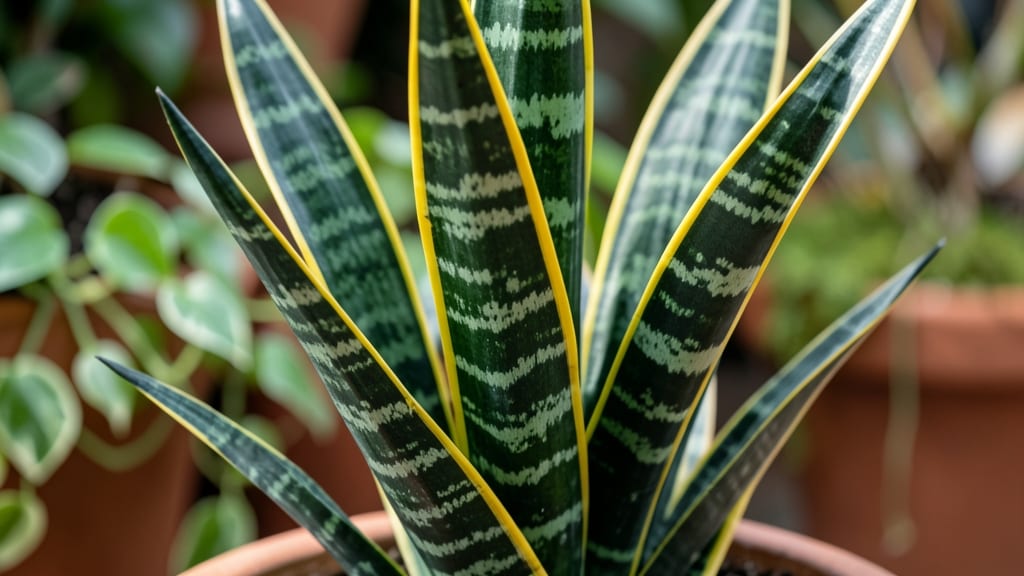
If you’ve ever wondered just how tall your snake plant 🌱 could grow, you might be surprised to learn these hardy plants can become towering giants—some varieties reaching heights that put them in the same league as small trees!
Most snake plants—especially the classic Sansevieria trifasciata—typically mature between 2 to 4 feet, but with the right care, some rare cultivars can stretch up to 6 feet or more.
Whether you’re working with a compact ‘Hahnii’ or a bold ‘Laurentii’, understanding their growth potential helps you plan your space and care routine.
The key to encouraging a taller snake plant lies in a few simple factors: light exposure, pot size, and watering habits.
Too much shade or a cramped container can stunt growth, while bright, indirect light and room to spread roots will help your plant reach its full height over time.
Ready to give your snake plant the best chance to thrive? I’ll break down everything you need to know—from variety-specific growth habits to easy care tips—to help yours grow as tall and strong as possible.


Snake plant height by variety: from compact to towering giants
If you’ve ever admired a snake plant’s striking, upright leaves and wondered how tall they can truly grow, you’re not alone—many gardeners are surprised to learn these hardy plants can reach heights that rival small trees!
The snake plant (genus Sansevieria) comes in a stunning array of varieties, each with its own height potential and growth habits. Some stay compact enough for a windowsill, while others become towering architectural statements in your home or garden.
Understanding the mature height of each variety helps you choose the perfect snake plant for your space. Whether you have a cozy apartment or a spacious sunroom, there’s a Sansevieria variety that will thrive.
From the dwarf varieties perfect for small spaces to the tall giants that command attention, each type offers unique visual appeal and care requirements.
Here’s how the most popular snake plant varieties compare in terms of height and growth habits, so you can pick the one that fits your home and lifestyle perfectly.
The Sansevieria trifasciata, often called the classic Mother-in-Law’s Tongue, is one of the most common varieties and typically reaches 2 to
Factors that influence snake plant growth height: light, soil, and care
Your snake plant’s height isn’t just luck—it’s directly tied to three key factors: light exposure, potting conditions, and watering habits. When these elements align perfectly, you’ll see dramatic differences in how tall your plant grows, sometimes even reaching 6 feet with the right care.
Let’s break down how each factor plays a role in unlocking your plant’s full potential.
First, light exposure is the most critical factor. Snake plants thrive in bright, indirect light, which encourages vertical growth. Placing yours near an east- or west-facing window gives it the perfect balance of sunlight without risking leaf scorch.
Too little light, and your plant will stay short and leggy, while too much direct sun can stunt growth or cause brown tips. Finding that sweet spot is key!
Next, pot size and soil quality determine how much room your roots have to expand. A snake plant in a cramped pot will focus its energy on root growth rather than reaching new heights.
Opt for a container that’s 2-3 inches wider than the plant’s base, and use a well-draining, sandy mix to prevent root rot. This combo ensures your plant has the space and nutrients it needs to grow tall and strong.
Finally, watering habits can make or break your snake plant’s height. These plants are drought-tolerant, so overwatering is a common mistake that slows growth. Let the top 2-3 inches of soil dry out between waterings, and always use a pot with drainage holes.
When you water, do it thoroughly—this encourages deep root growth, which supports taller, sturdier leaves over time.
🌱 Key Factors for Maximum Snake Plant Height
| Factor | Optimal Condition | Result |
|---|---|---|
| Light | Bright, indirect (4-6 hours/day) | Encourages vertical growth |
| Pot Size | 2-3" wider than plant base | Supports taller, sturdier leaves |
| Watering | Deep soak, dry top 2-3" | Prevents root stress |
💡 Pro Tip: Rotate your pot every few months to ensure even light exposure, which promotes balanced growth.
If you’re aiming for a taller snake plant, pay special attention to light placement in the winter months. Shorter daylight hours can slow growth, so supplement with a grow light if natural light is limited.
I’ve found that placing my snake plants under a LED grow bulb for 6-8 hours a day in winter keeps them growing steadily, even when outdoor light fades.
Don’t forget that fertilizing plays a supporting role in height growth. During the spring and summer, use a balanced, diluted fertilizer (like 10-10-10) every 6-8 weeks to provide essential nutrients.
Avoid fertilizing in fall and winter, as your plant enters a natural dormancy period. Over-fertilizing can lead to salt buildup in the soil, which actually stunts growth rather than encouraging it.
With the right combination of light, space, and care, your snake plant can reach heights you never thought possible—whether that’s the 4-foot mark for a standard variety or the towering 6-foot giants seen in some rare cultivars. The best part?
These plants are so forgiving that even small adjustments can make a big difference over time. Start with these tips, and you’ll be well on your way to growing a snake plant that’s the envy of every room! 🌿