
How To
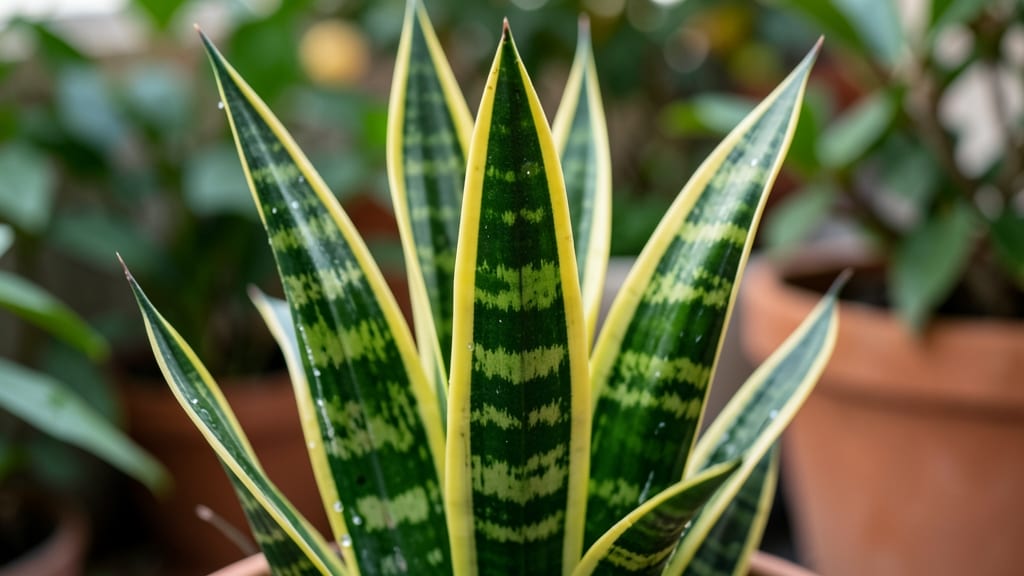
If you’ve ever wondered how tall a snake plant can grow 🌱 and whether it’ll soon dominate your living room, you’re asking the right question. These hardy plants can grow surprisingly tall—some varieties reaching heights that might surprise even seasoned plant parents.
The answer depends on the type of Sansevieria you have, as well as where you’re growing it. Indoor plants typically stay between 1 and 4 feet, while outdoor varieties in ideal conditions can stretch toward 6 feet or more.
Understanding these differences helps you plan your space and care routine accordingly.
Light exposure, pot size, and even the variety you choose play a huge role in how tall your snake plant grows. For example, the popular 'Futura Superba' can reach impressive heights, while dwarf varieties stay compact.
I’ll break down what influences your plant’s growth and how you can manage it—whether you want a floor-filling statement piece or a manageable tabletop plant.
Whether you’re dealing with a 3-foot giant or a petite 1-foot wonder, knowing these growth factors will help you keep your snake plant thriving—no matter how much vertical real estate it claims. Let’s dive into the details so you can make the most of your green companion.


Average snake plant height limits: indoor growth expectations by variety
Snake plants (Sansevieria) are prized for their hardiness and striking foliage, but their mature height can vary dramatically depending on the variety. While some stay compact and manageable, others can grow tall enough to touch indoor ceilings.
Knowing your plant’s expected height range helps you choose the right spot and care routine.
The most common varieties—like Sansevieria trifasciata—can reach 4 to 6 feet tall indoors, while newer cultivars like Sansevieria 'Moonshine' stay shorter at 2 to 3 feet. Pot size, light exposure, and pruning all play critical roles in controlling vertical growth.
Below is a breakdown of mature heights for popular snake plant varieties, along with care tips to manage their size. Whether you prefer a floor-filling statement plant or a compact tabletop variety, this guide helps you plan ahead.
| Variety | Mature Height (Indoors) | Growth Rate | Best For |
|---|---|---|---|
| Sansevieria trifasciata 'Laurentii' | 4–6 ft | Moderate (1–2 ft/year) | Large spaces, architectural accents |
| Sansevieria cylindrica | 2–4 ft | Slow (6–12 in/year) | Small rooms, shelves, offices |
| Sansevieria 'Moonshine' | 2–3 ft | Slow to moderate | Beginners, low-light areas |
| Sansevieria 'Futura Superba' | 3–5 ft | Moderate (1 ft/year) | Statement plants, tall shelves |
| Sansevieria 'Hahnii' (Bird's Nest) | 1–2 ft (clumping habit) | Very slow | Tabletop displays, terrariums |
Pot size directly impacts how tall your snake plant grows. A smaller pot (10–12 inches) restricts root expansion, slowing vertical growth, while a large pot (16+ inches) encourages taller, more vigorous plants. If you’re concerned about height, opt for a shallow, wide container to promote bushier growth.
Light exposure also plays a key role. Snake plants grown in bright, indirect light tend to stretch toward the sun, reaching their maximum height potential. However, placing them in low-light conditions can stunt growth, resulting in shorter, denser foliage. Balance is key—aim for 4–6 hours of filtered light daily.
Pruning is another tool to manage height. Regularly trimming overgrown leaves at the base encourages new shoots to grow from the center, creating a fuller, more compact plant. For varieties like Sansevieria 'Laurentii', pruning every 1–2 years helps maintain a controlled height.
If you’re working with limited vertical space, consider dwarf varieties like 'Hahnii' or 'Moonshine'. These stay under 3 feet tall and thrive in small pots, making them perfect for apartments or offices. For larger spaces, embrace taller varieties like 'Futura Superba' as a vertical design element.
Remember, snake plants are slow growers—expect 6–12 inches of growth per year for most varieties. With the right care, you can enjoy their striking foliage without sacrificing your space. Start by choosing a variety that fits your room’s dimensions, then adjust light and pot size to keep growth in check.
🌱
5 Key factors that control snake plant height (and how to adjust them)
Your snake plant’s vertical growth isn’t just genetics—it’s a mix of light exposure, container size, and even soil nutrients. As someone who’s watched my Sansevieria trifasciata stretch from a compact 12-inch pup to a towering 4-foot specimen, I’ve learned these factors can either accelerate or stifle growth.
The good news? You can adjust them to keep your plant at your ideal height—whether that’s a desk-sized 18-inch variety or a statement-making 5-foot centerpiece.
Understanding these controls lets you troubleshoot why your snake plant might be stunted (too little light?) or overly leggy (root-bound pot?). For example, my ‘Moonshine’ cultivar grew twice as fast when I moved it to a south-facing window—until I realized its roots were circling the pot.
Let’s break down how to manage each factor for the perfect height.
📌 How Tall Can Snake Plant Grow?
- 🌱 1. Light Exposure: Low light = stunted growth (1-2 ft). Bright indirect = 3-5 ft. Direct sun can scorch leaves but may encourage faster vertical growth in some varieties.
- 🪴 2. Pot Size: Root-bound = 2x faster growth. Oversized pot = slower, bushier growth. Repot every 2-3 years or when roots circle the drainage hole.
- ✂️ 3. Pruning Technique: Topping = controls height. Side trimming = encourages bushiness. Prune in spring for best regrowth.
- 🌿 4. Soil Nutrients: Balanced fertilizer (5-5-5) = 1-2 ft/year growth. Over-fertilizing = leggy, weak stems. Feed only in spring/summer.
- 💧 5. Watering Habits: Overwatering = stunted, rot-prone roots. Deep soaking every 3-4 weeks = steady vertical growth. Let soil dry completely between waterings.
Let’s start with the most impactful factor: light exposure. Snake plants are phototropic, meaning they grow toward light sources. My ‘Futura Superba’ nearly doubled in height after I placed it under a grow light for 12 hours daily.
However, too much direct sunlight can cause leaf scorch—notice the yellowed tips on my plant after a summer by the west window? I moved it back 3 feet, and new growth stayed vibrant. For indoor setups, east-facing windows provide ideal bright indirect light without risking burn.
Pot size plays a sneaky role in height control. When roots fill a container, they signal the plant to grow upward for more space. I once repotted a 3-foot ‘Hahnii’ into a 12-inch pot (up from 8 inches), and within 6 months, it shot up another 18 inches.
The fix? Choose a pot that’s only 2-3 inches wider than the root ball. For dwarf varieties, use shallow pots to limit vertical growth. Pro tip: Terracotta pots help regulate moisture, reducing the risk of overwatering-related stunting.
Pruning isn’t just for aesthetics—it’s a growth regulator. When I topped my 5-foot ‘Laurentii’ at 3 feet last spring, it sent out three new shoots from the base within 8 weeks, creating a fuller, bushier plant.
To prune for height control: Use sterilized scissors to cut 1/3 above a leaf node. The remaining stem will sprout new leaves. For overly tall plants, prune in late winter to encourage fresh growth before spring. Save your cuttings—they root easily in water or soil!
Soil nutrients often get overlooked, but they’re critical for controlled growth. My ‘Golden Hahnii’ grew only 6 inches in a year when I skipped fertilizer, while a neighbor’s identical plant reached 2 feet after monthly feedings. The key?
Use a balanced 5-5-5 fertilizer once in spring and again in early summer. Over-fertilizing leads to weak, leggy stems—a classic sign your plant is starved for light but overfed. Always water thoroughly after fertilizing to prevent root burn.
Lastly, watering habits indirectly control height by affecting root health. My ‘Black Gold’ variety once grew only 4 inches in 6 months because I was watering it weekly. The roots suffocated, stunting vertical growth.
Snake plants thrive on drought conditions: Water deeply every 3-4 weeks in winter, every 2 weeks in summer. Use your finger to check soil moisture—if the top 2 inches are dry, it’s time to water. For taller varieties, slightly underwatering can encourage thicker, more compact growth.