
Plants
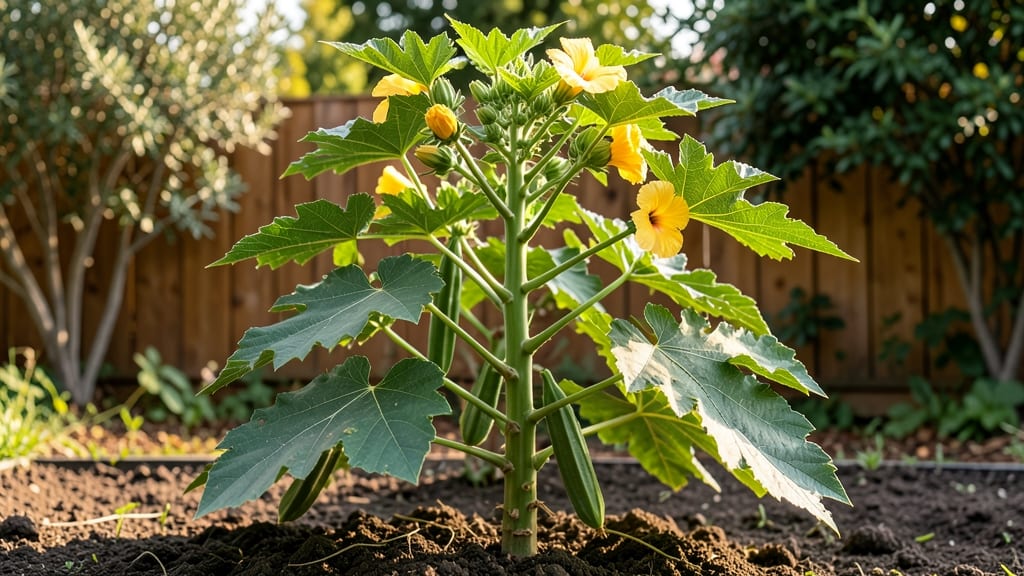
When you're planning your summer garden, knowing how tall does an okra plant grow can make or break your layout—especially if you're working with limited space.
Some varieties reach towering heights of 10 feet, while others stay neatly contained under 4 feet, and picking the wrong one could mean wasted space or missed harvests.
Okra's height isn't just about aesthetics—it directly impacts how you'll harvest, trellis, and even space your plants. Whether you're growing dwarf varieties for containers or letting standard types climb, understanding their mature size helps you avoid overcrowding and maximize your garden's potential.
Sunlight, soil quality, and pruning all play a role in how tall your okra will grow, but the variety you choose is the biggest factor.
Some types, like the popular 'Emerald,' can shoot up quickly, while others like 'Burgundy' stay shorter and bushier—knowing these differences saves you time and frustration later.
In this guide, I'll break down the exact height ranges by variety, share spacing tips, and show you how to manage growth for the best harvest. Let's get your okra thriving at the perfect height!


Okra plant height ranges by popular variety (with growth charts)
Choosing the right okra variety depends heavily on your garden space and layout. Some varieties grow like towering giants, while others stay compact enough for containers or small plots.
Understanding these okra height ranges helps you plan spacing, trellising, and even companion planting for optimal yields. Let me break down the most popular varieties and their mature heights.
Okra plants typically reach maturity between 50-90 days, but their final height varies dramatically. Dwarf varieties stay under 4 feet, while standard types can soar past 10 feet. The variety you choose directly impacts your garden's design and maintenance needs.
The Emerald variety is perfect for small gardens or containers, reaching only 4-6 feet tall. Its compact growth habit makes it ideal for urban gardeners or those with limited space. I've grown this variety in 5-gallon containers with excellent results, harvesting tender pods all season long.
For larger gardens, Clemson Spineless is a classic choice, often exceeding 8 feet in height. This variety benefits from trellising to save space and improve airflow. Without support, it can sprawl widely, requiring 3-4 feet of clearance on all sides.
If you prefer a medium-height option, Burgundy okra reaches 5-8 feet and produces striking dark green pods. This variety strikes a balance between space efficiency and productivity. I recommend planting it in rows with 2 feet between plants for easy harvesting access.
For container gardening enthusiasts, Blushing Beauty and Arkansas Little Light are excellent dwarf varieties. Both stay under 5 feet, making them perfect for balconies or patio gardens. These compact plants produce abundant pods without requiring extensive garden space.
When planning your okra garden, consider both the mature height and the growth habit of each variety. Tall varieties like Jinhee need sturdy trellises or cages to support their weight, while dwarf types can thrive in tight spaces.
Always check the spacing recommendations to prevent overcrowding, which can lead to poor airflow and disease issues.
Pro tip: If you're growing multiple varieties, plant the tallest types at the back or north side of your garden to avoid shading shorter plants. This simple arrangement maximizes sunlight exposure for all your okra plants, ensuring consistent growth and production throughout the season.
Remember that okra height can vary slightly based on growing conditions. Plants in full sun with rich soil and consistent moisture tend to reach their maximum potential height, while those in less ideal conditions may stay shorter.
Regular pruning can also influence height, encouraging bushier growth when you pinch back the main stem.
Now that you know the height ranges, you're ready to select the perfect okra varieties for your garden space. Happy planting! 🌱
How okra height affects harvesting and garden planning
Okra's height isn't just about aesthetics—it directly impacts how you harvest, space your plants, and even protect them from pests and diseases. Tall varieties like Clemson Spineless can reach 8-10 feet, while dwarf types like Burgundy stay under 4 feet.
Choosing the wrong height for your garden can lead to overcrowding, poor airflow, or even lost harvests if pods become hidden in foliage.
Taller okra varieties thrive when trellised or given vertical support, which saves space and makes harvesting easier. Compact varieties, on the other hand, require closer spacing (12-18 inches apart) to maximize pod production without competition.
Understanding these differences helps you design a garden layout that balances yield, accessibility, and plant health.
- Tall varieties (6-10 ft): Need trellises or stakes to prevent lodging and improve airflow, reducing disease risk.
- Semi-dwarf types (4-6 ft): Ideal for small gardens or containers; space 18-24 inches apart for best results.
- Dwarf varieties (2-4 ft): Perfect for urban gardens or raised beds; plant 12-16 inches apart to avoid overcrowding.
- Harvesting height: Taller plants require stepladders or knee pads; compact types are easier to reach.
- Yield impact: Proper spacing for height ensures more pods per plant and less competition for nutrients.
Tall okra plants benefit from vertical training because their weight can cause stems to bend or snap under heavy pod loads. Installing a trellis or bamboo stake early in the season supports growth and keeps pods off the ground, reducing rot risk.
For compact varieties, focus on mulching to retain moisture and prune lower leaves to improve airflow at the base.
Height also affects pest and disease management. Tall okra with dense foliage can harbor aphids or spider mites if airflow is poor, while dwarf varieties may suffer from root rot if overcrowded.
Monitoring plant height helps you adjust care routines, like increasing pruning frequency for tall types or thinning seedlings for compact ones.
When planning your garden layout, consider sun exposure alongside height. Okra needs 6-8 hours of full sun, so taller varieties should face south-facing walls to avoid shading shorter plants. Grouping similar-height okra together creates a logical harvest path and makes it easier to spot ripe pods among the leaves.
For container gardening, choose dwarf or semi-dwarf varieties to avoid root-bound stress. Even then, ensure pots are at least 12 inches deep and provide support stakes as plants mature. Remember, harvesting frequency increases when pods are picked young—so plan your layout to make this task efficient, regardless of height.