
How To
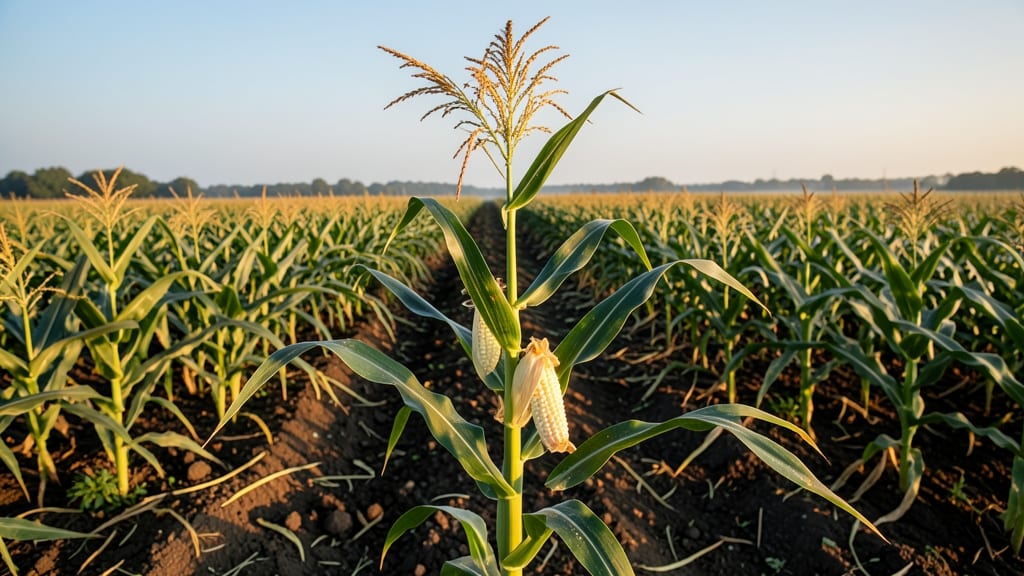
If you're wondering how tall your corn plants will grow, the answer might surprise you—some varieties barely reach your waist while others tower over you like a 10-foot giant. Understanding these differences is the key to planning your garden space and choosing the perfect 🌽 variety for your needs.
Corn height varies dramatically depending on the type, with dwarf varieties like 'Little and Tender' staying around 3-4 feet, while standard sweet corn can stretch up to 8 feet or more.
Even field corn and ornamental varieties can reach impressive heights, making them a stunning addition to your garden—or a space challenge if you're short on room.
But it’s not just about the variety. Sunlight, soil quality, and watering habits play a huge role in how tall your corn will grow. With the right conditions, even smaller varieties can reach their full potential, while taller stalks might need extra support to avoid flopping over in the breeze.
Whether you're a beginner gardener or a seasoned pro, knowing how to manage corn height will help you maximize your harvest and make the most of your garden space. Let’s break down what you need to know to grow corn that’s just right for your needs.


Corn plant height by variety: from dwarf to giant stalks
When planning your corn garden, one of the first questions I ask myself is: how tall will these plants grow? The answer isn't one-size-fits-all—corn varieties range from knee-high dwarfs to towering giants that dwarf even the tallest gardeners.
Understanding these differences helps me choose the right variety for my space and growing goals. For example, a 3-foot 'Little and Tender' fits perfectly in my raised beds, while a 12-foot 'Country Gentleman' would need a dedicated corner of my yard.
Corn height is primarily determined by its genetic variety, but growing conditions like sunlight exposure, soil fertility, and water availability can push plants taller or shorter.
Field corn, often grown for animal feed, tends to reach the upper limits of corn's height spectrum, while ornamental varieties might stay shorter for decorative purposes.
Even within sweet corn, the height differences can be dramatic—some varieties barely reach waist height, while others top out at 10 feet or more.
If you're growing 'Little and Tender', one of the most popular dwarf varieties, expect stalks to reach just 3-4 feet tall. This makes it ideal for container gardening or small urban plots where space is limited.
The ears develop near the top of the plant, making them easy to reach without bending over. I've successfully grown this variety in 5-gallon buckets on my patio, proving that even the tallest corn plants can be adapted to small spaces with the right variety.
On the opposite end of the spectrum, varieties like 'Country Gentleman' can shoot up to 10 feet or taller under ideal conditions. These giants need plenty of open space and rich soil to support their massive stature.
When I planted this variety last summer, I had to stake some stalks to prevent them from toppling over in windy conditions. The ears form high up on the stalk, which can make harvesting a bit of a challenge—especially if you're not as tall as your corn plants!
Field corn varieties often surpass even the tallest sweet corn, reaching heights of 12-14 feet. These aren't typically grown in home gardens but are common in agricultural settings where they're used for silage, animal feed, or ethanol production.
Their height is an adaptation for maximizing yield in large fields, but they can also be grown in home gardens if you have the space and are willing to invest in support structures like trellises or cages.
For gardeners who love the look of corn but want something more manageable, ornamental corn varieties offer a great middle ground. Types like 'Glass Gem', with its stunning rainbow-colored kernels, typically grow 6-8 feet tall.
These varieties are perfect for adding visual interest to your garden while still being tall enough to feel impressive. I planted 'Glass Gem' last year as a focal point in my backyard, and the colorful ears provided a beautiful contrast against the green foliage.
One common mistake I see among new corn growers is assuming all varieties will reach the same height. This can lead to poor plant spacing or inadequate support structures. Always check the seed packet or plant description for height ranges before purchasing.
For example, if you're working with a 6-foot variety, planting it where an 8-foot variety was expected could lead to overcrowding and reduced yields. I keep a simple height chart nearby while planning my garden layout to avoid this mistake.
Height isn't just about aesthetics—it also affects how you'll harvest and maintain your corn plants. Taller varieties may require ladders or stools to reach the ears, while shorter varieties are easier to
Factors that influence corn plant height and how to optimize them
Corn's mature height isn't just genetics at play—it's a dance between sunlight, soil health, and your watering habits. Sunlight is the biggest factor: corn craves 6-8+ hours of direct sun daily, and even an hour less can stunt growth by 1-2 feet.
Without enough light, plants stretch weakly, wasting energy toward height instead of ear development. I've seen Country Gentleman varieties reach 12 feet in full sun, but drop to 8 feet in partial shade.
Soil nutrients, especially nitrogen, fuel rapid vertical growth during the first 6-8 weeks. A soil test reveals whether your garden needs a balanced 10-10-10 fertilizer or organic amendments like composted manure.
I always side-dress with 1 cup of fertilizer per 10 sqft when tassels appear—this boosts stalk strength and ear size simultaneously. Over-fertilizing with nitrogen, though, can lead to lanky, weak stalks prone to lodging (falling over).
Watering techniques create another critical lever for height control. Corn roots need 1-1.5 inches of water weekly, delivered deeply to encourage deep root growth. Shallow watering stresses plants, causing them to grow taller but weaker. I use soaker hoses in my garden to maintain consistent moisture without wetting foliage—this prevents fungal diseases that further weaken stalks. During droughts, I've seen Golden Bantam varieties shrink from 5 feet to just 3 feet.
Spacing plays a surprising role in height optimization. Crowded plants compete for nutrients and light, often resulting in shorter but bushier growth. The standard 30-inch row spacing works for most varieties, but dwarf corn can handle 24-inch rows.
I once planted Little and Tender too closely and ended up with 3-foot stalks instead of their usual 4-foot height. Proper spacing also improves air circulation, reducing the risk of corn smut and other diseases that can weaken plants.
🌽 Height Optimization Checklist
| Factor | Optimization Tip | Result |
|---|---|---|
| Sunlight | 6-8+ hours direct sun daily | Maximize height potential |
| Soil Nutrients | Test soil; add compost or 10-10-10 fertilizer | Stronger stalks, better ears |
| Watering | Deep water 1-1.5" weekly; morning only | Prevents weak, stretched growth |
| Spacing | 30" rows for standard; 24" for dwarf | Encourages proper height |
💡 Pro Tip: For small gardens, choose semi-dwarf varieties like 'Silver Queen' (6-8 ft) and use trellises to support stalks vertically, saving space while maintaining height.
If you're aiming for taller corn, focus on these three adjustments: extend sunlight exposure with reflective mulch if needed, ensure consistent nitrogen during early growth, and water deeply at the base.
For shorter corn in small spaces, reduce nitrogen slightly after 6 weeks to encourage ear development over height, and consider pruning side shoots (though this reduces yield). I've successfully grown 8-foot 'Peaches and Cream' in containers using these techniques—proof that height is manageable with the right approach.
Remember, corn height directly impacts your harvest. Taller stalks often produce more ears, but only if they're strong enough to support them. Balance is key: prioritize sturdy stalks over extreme height.
For my 10-foot 'Country Gentleman' plants, I stake them at 6 feet to prevent lodging—this simple trick maintains height while ensuring a successful harvest. 🌱