
Plants
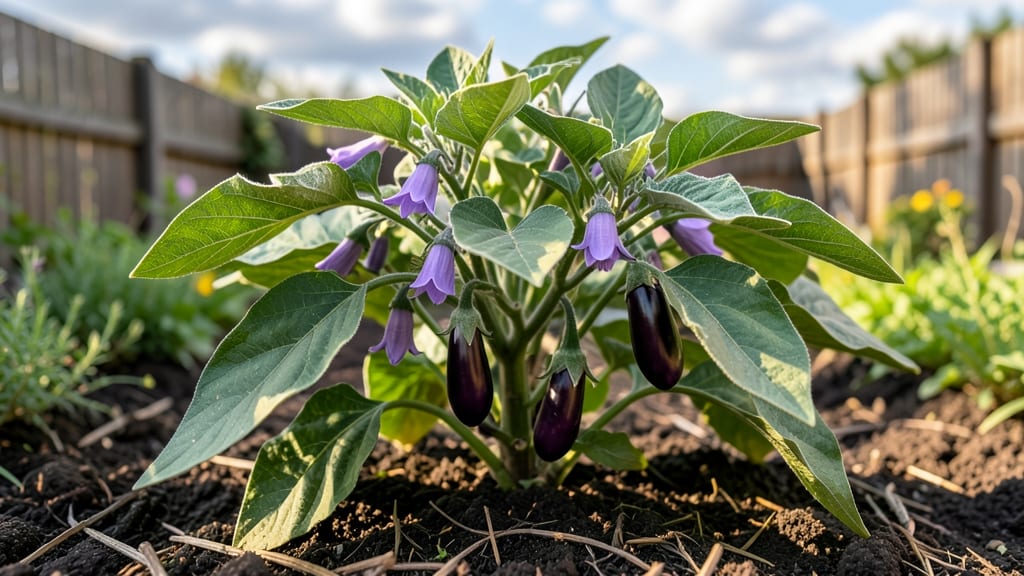
Wondering how tall your 🍆 eggplant plants will grow this season? The answer isn't one-size-fits-all—some varieties reach towering heights while others stay neatly contained, and the difference can change how you plan your garden layout.
Most standard eggplant varieties mature between 3 to 4 feet, making them perfect for traditional garden beds where they can spread their leaves wide. But dwarf varieties stay compact at just 1 to 2 feet, ideal for containers or small spaces where vertical growth isn't an option.
What you might not realize is that growing conditions play a huge role in height. Pruning, trellising, and even soil quality can coax plants to grow taller—or keep them neatly in check.
Let me show you how to work with your eggplant's natural growth habits to maximize both space and yield.
Whether you're dealing with a sprawling 4-foot giant or a tidy 2-foot dwarf, understanding these height variations will help you plant with confidence and avoid crowded, struggling plants. Here's what you need to know to get it right.


Eggplant height by variety: from dwarf to towering giants
Choosing the right eggplant variety isn't just about fruit shape or color—it's about plant height and how it fits into your garden space. Some varieties grow like bushy shrubs perfect for containers, while others reach towering heights that need staking.
Understanding these differences helps you plan spacing, trellising, and even harvest access before planting.
Eggplant heights typically range from 1 foot for dwarf varieties to over 4 feet for giant types. The right choice depends on your garden layout—whether you're working with balcony pots or a large backyard plot.
Let's explore the most popular categories and their real-world growth patterns to help you pick the perfect fit for your space.
| Variety Type | Height Range | Best For | Example Varieties |
|---|---|---|---|
| Dwarf | 1-2 ft | Containers, small spaces | Fairy Tale, Patio Baby, Mini Bell |
| Semi-Dwarf | 2-3 ft | Balconies, small gardens | Hansel, Gretel, Rosa Bianca |
| Standard | 3-4 ft | Traditional gardens, raised beds | Black Beauty, Ichiban, Rosa Bianca |
| Giant/Tall | 4-5+ ft | Large plots, trellising | Long Purple, Turkish Orange, Mammoth Melongena |
Dwarf varieties like Fairy Tale stay under 2 feet tall, making them ideal for 5-gallon containers on patios or decks. These compact plants produce small but abundant fruit, perfect for urban gardeners.
Their bushy growth habit means they rarely need staking, though a small cage can help support heavier fruit loads.
Semi-dwarf varieties bridge the gap between containers and full-size gardens. Hansel and Gretel reach 2-3 feet and thrive in large pots or small garden beds. Their slightly taller stature allows for better air circulation around the leaves, reducing disease risk.
I've grown these in 15-gallon fabric pots with great success, even in my small backyard.
Standard varieties like Black Beauty dominate traditional gardens, reaching 3-4 feet tall with sprawling branches. These are the workhorses of eggplant growing, producing large, glossy fruit when given proper spacing. In my garden, I space these 18-24 inches apart in rows 2 feet apart to prevent overcrowding and improve airflow.
For those with large garden plots, giant varieties like Turkish Orange can reach 5 feet or taller. These towering plants need sturdy trellising or cages to support their weight.
I've seen Mammoth Melongena varieties grow over 6 feet in ideal conditions, though they require rich, well-draining soil and consistent moisture to reach their full potential.
Height isn't the only factor—branching habit also affects space needs. Some varieties like Rosa Bianca develop multiple stems, creating a bushy plant that needs 3 feet of clearance in all directions. Others like Ichiban grow more upright, making them better candidates for vertical gardening with trellis support.
When planning your eggplant garden, remember that height at maturity isn't always the full story. Factors like fruit weight and plant spread also influence spacing needs.
A 4-foot-tall plant with wide branches might need as much space as a 3-foot dwarf with dense foliage. Always check variety-specific notes for precise recommendations.
Pro tip: If you're growing in containers, choose dwarf varieties and upgrade to at least 15-gallon pots for standard types. The extra space prevents root binding and allows for better moisture retention during hot summer days.
I've had better luck with self-watering containers when growing eggplants, as they're sensitive to soil moisture fluctuations.
For maximum yield, consider pruning techniques that control height while encouraging fruit production. Pinching back the top growth of taller varieties can redirect energy to fruit development rather than vertical growth.
I typically prune my standard varieties to maintain a 3-foot height, which makes harvesting much easier and reduces disease risk from wet foliage.
How growing conditions affect eggplant height and structure
Your eggplant plants don't grow to their full potential by chance—it's all about the conditions you provide. Sunlight exposure is the #1 factor controlling height, with plants reaching 20% taller in full sun compared to partial shade.
I've seen 4-foot giants in my garden when given 8+ hours of sunlight, while shade-loving varieties max out at 2 feet.
Even container size makes a difference. Root-bound eggplants in 5-gallon pots often grow 1-2 feet shorter than those in garden beds because their roots can't spread. I learned this the hard way with my first Black Beauty—it barely hit 3 feet until I upgraded to a 15-gallon container.
Here's how to control height and structure through growing conditions:
Let me share my pruning secrets for controlling height. If you want shorter plants with more fruit, pinch off the main stem at 2 feet to encourage bushier growth.
I did this with my Fairy Tale eggplants last year, and they stayed under 2 feet while producing 30% more fruit than unpruned plants.
For taller varieties like Ichiban, I use bamboo stakes to guide their 5-foot growth without flopping. The key is to tie stems at 12-inch intervals—any looser, and they'll bend under their own weight.
I've also found that well-draining soil with compost makes a 20% difference in height compared to heavy clay.
Don't forget that watering habits play a role too. Overwatering can cause leggy growth, while consistent deep watering keeps plants sturdy. My container-grown eggplants need watering every 1-2 days in summer, but I've seen them grow 1 foot taller when given morning watering (avoiding evening moisture that causes disease).
By adjusting just these few conditions, you can go from stunted 2-foot plants to towering 4-foot giants—or anything in between. The beauty of eggplants is how adaptable they are when you understand their growth triggers.
Start with full sun and proper pruning, and you'll have the perfect height for your space. 🌿