
How To
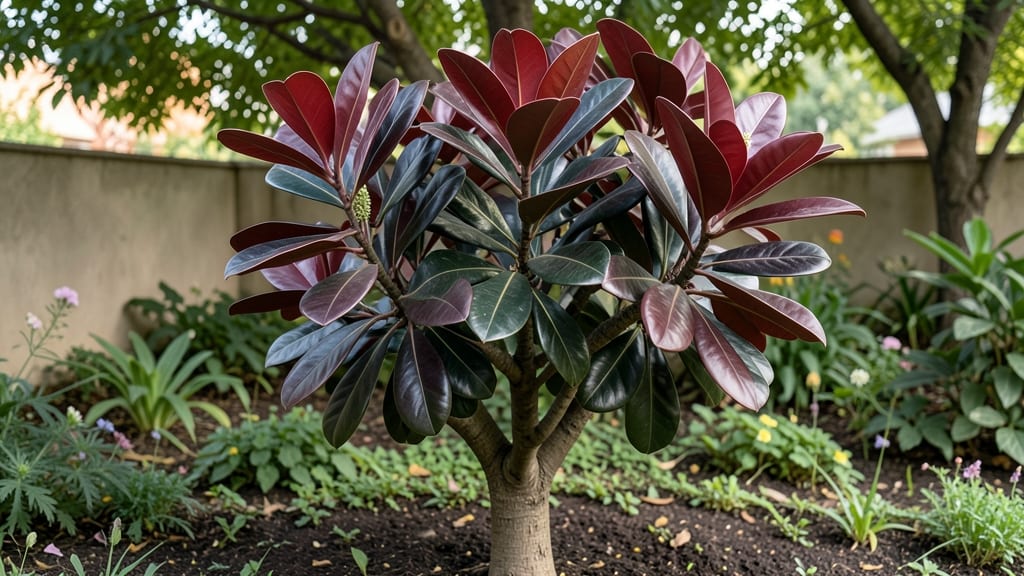
If you're wondering how tall your rubber plant 🌿 could grow, the answer might surprise you—some varieties reach ceiling heights indoors while others stay compact and manageable.
Whether you're dreaming of a dramatic statement plant or prefer a smaller, bushier look, understanding their growth potential is key to planning your care strategy.
Rubber plants (Ficus elastica) are known for their striking leaves and adaptability, but their height can vary dramatically based on care and variety.
From the towering 'Black Prince' to the more modest 'Variegata', each type has its own growth quirks that determine whether you'll need a ladder or just a step stool. Let's break down what influences their height and how you can shape their growth to fit your space.
The secret to controlling your rubber plant's height lies in a few simple but powerful factors: light exposure, pruning techniques, and even the size of its pot. With the right approach, you can keep a 10-foot giant at bay or encourage a 3-foot tabletop beauty to thrive.
I'll show you exactly how to manage their growth so you get the perfect size for your home.
Ready to turn your rubber plant into the perfect fit for your space? Whether you're dealing with a sprawling giant or a compact cutie, these insights will help you nurture a plant that's as beautiful as it is manageable. Let's dive into the details!


Rubber plant height by variety: from compact to towering
Rubber plants (Ficus elastica) are famous for their striking foliage and adaptability, but their height can vary dramatically depending on the variety and growing conditions. Some stay compact enough for a desk, while others reach ceiling heights in just a few years.
Understanding these differences helps you choose the perfect plant for your space and care routine.
The average mature height for rubber plants ranges from 3 to 10 feet, but specific cultivars can be much smaller or taller.
For example, the 'Decora' variety typically stays between 3 and 5 feet, making it ideal for small apartments, while the 'Black Prince' can soar to 10 feet or more indoors with proper care.
Growth habits also differ—some varieties grow upright and leggy, while others produce bushier, more compact forms. These differences are influenced by light exposure, pruning practices, and even the size of the container you choose. Let’s explore the most popular rubber plant varieties and their height expectations.
Here’s a quick comparison of how tall rubber plants grow by variety, including their typical mature height and growth habits:
The 'Decora' and 'Tineke' varieties are perfect for small spaces or desk setups, rarely exceeding 5 feet in height. Their bushier growth habit makes them ideal for creating full, lush displays without taking up much vertical space.
These varieties thrive in bright indirect light and benefit from occasional pruning to encourage even more compact growth.
On the opposite end of the spectrum, the 'Black Prince' and 'Robusta' varieties are towering giants that can reach 10 feet or taller indoors. These are the varieties that turn your home into a jungle-like retreat, especially when placed near large windows or in sunrooms.
Their dark, glossy leaves add a dramatic touch to any room, but they require more space and careful management to prevent them from becoming too leggy.
If you’re torn between height and foliage variety, the 'Variegata' and 'Burgundy' cultivars offer a middle-ground solution. The 'Variegata' features stunning white and pink variegation but can grow 4 to 8 feet tall, making it versatile for medium-sized spaces.
Meanwhile, the 'Burgundy' variety boasts deep maroon leaves and grows 5 to 7 feet tall, striking a balance between height and manageability.
Light plays a critical role in determining how tall your rubber plant grows. In low-light conditions, rubber plants tend to stretch toward the light, becoming leggy and reaching for their maximum height.
Conversely, placing your plant in bright indirect light encourages denser, bushier growth and helps control its height. For example, a 'Black Prince' in a north-facing window may grow taller than one in a well-lit east or west window.
Pruning is another powerful tool for managing rubber plant height. Regularly topping your plant—cutting the stem just above a leaf node—encourages the growth of new branches, creating a fuller, bushier plant.
This technique is especially useful for varieties like the 'Decora' or 'Tineke', which can become too tall if left unpruned. Pruning also allows you to propagate new plants from the cuttings, giving you more rubber plants for free!
Factors that control rubber plant growth height
Your rubber plant's height isn't set in stone—it's shaped by a few key factors you control. The most powerful influence is light exposure. These tropical plants crave bright indirect light, which fuels their vertical growth.
Place yours near an east or west-facing window for optimal height control—too little light stunts growth, while too much direct sun can cause leaf scorch and leggy stems.
Another critical factor is pruning technique. Regular pruning doesn't just shape your plant—it redirects energy. When you top your rubber plant by cutting back the top growth, you encourage bushier, more compact growth.
I recommend pruning in spring or early summer when the plant is actively growing. Just be sure to use clean, sharp pruners to avoid damaging the stem.
Don't overlook the importance of pot size. A rubber plant left in a cramped pot will focus its energy on leaf production rather than height. If you want to control vertical growth, choose a shallower pot with a diameter only slightly larger than the plant's root ball.
This creates root-bound conditions that naturally limit upward growth while promoting bushiness.
⚠️ WARNING: Common Mistakes That Skyrocket Your Rubber Plant's Height ⚠️ Overwatering can cause rapid, weak growth—your plant will shoot up too fast with floppy stems.
Always let the top 1-2 inches of soil dry out between waterings to maintain sturdy growth. Underwatering, on the other hand, stresses the plant and can lead to stunted growth or leaf drop, which also affects height development. ⚠️ Fertilizer overload in winter triggers unexpected growth spurts when your plant should be dormant.
Stick to balanced fertilizer (10-10-10) only during spring and summer, applying it every 4-6 weeks. Over-fertilizing in winter can cause leggy, weak stems that stretch toward light sources. ⚠️ Ignoring temperature fluctuations—rubber plants prefer 65-80°F conditions.
Drafts from windows or AC vents can shock the plant, leading to erratic growth patterns. Keep your plant away from cold drafts and heating vents to maintain steady, predictable growth.
Finally, variety selection plays a role in height potential. Some cultivars like 'Black Prince' naturally grow taller, while 'Variegata' tends to stay more compact. If you want a petite rubber plant, choose dwarf varieties or give your standard plant extra pruning attention.
The right variety paired with proper care can transform a potential ceiling brush into a perfect tabletop companion.
By mastering these factors, you'll gain full control over your rubber plant's height—whether you want a 3-foot statement piece or a 10-foot indoor tree. Start with light placement, then refine with pruning and pot selection.
Your plant's height will thank you with lush, healthy growth that fits your space perfectly! 🌿