
Watering
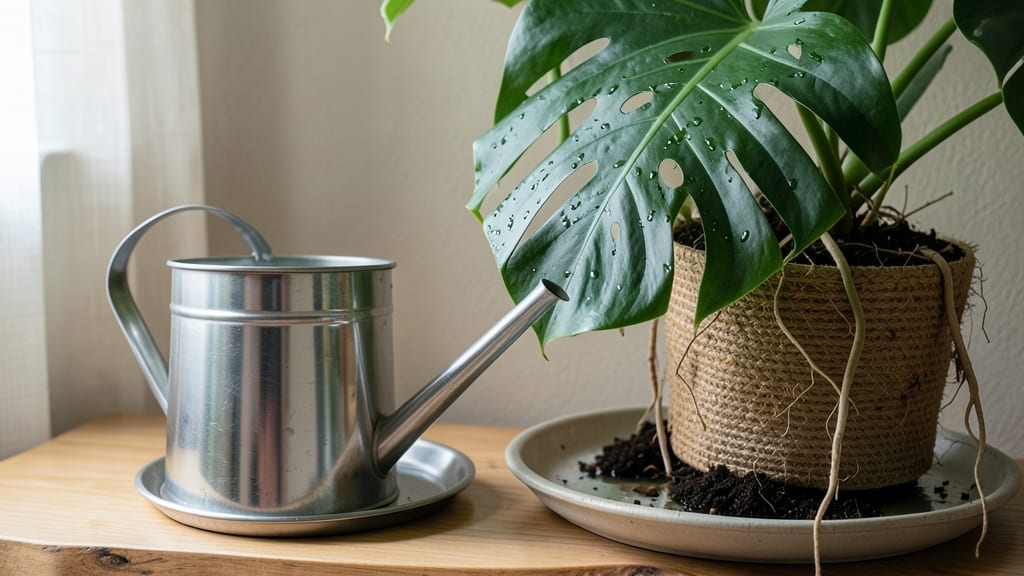
To keep your monstera plant thriving, figuring out how much water it truly needs is the secret weapon most plant parents miss. That glossy, heart-shaped leaf you adore wilts faster than you think when watering goes wrong—whether you're drowning its roots or leaving it parched.
I’ve watched my own 🌿 monstera go from lush and lively to limp and sad (and back again) after tweaking just one thing: the watering routine. The key isn’t guessing—it’s checking the soil, reading your plant’s signals, and adjusting for seasons.
Let me show you exactly how to strike that perfect balance so your monstera stays happy year-round.
Most guides oversimplify watering, but your monstera’s needs change with the seasons, pot size, and even your home’s humidity. We’ll break down the exact schedule you should follow, plus how to spot the subtle signs of over- or underwatering before they become irreversible problems.
Ready to transform your monstera care? By the end of this guide, you’ll know not just when to water, but how much—so your plant grows bigger, stronger, and more vibrant than ever. Let’s get started.

How often to water a monstera plant: the 3-Zone soil test
Your monstera plant thrives on a consistent moisture balance, but guessing watering needs leads to root rot or crispy leaves. Instead of relying on a rigid schedule, I use the 3-Zone Soil Test—a science-backed method to check moisture levels at different soil depths.
This ensures your plant gets just the right amount of hydration without overdoing it.
The key is understanding your monstera’s natural water needs. Unlike desert plants, monstera deliciosa loves humidity but despises soggy roots. The 3-Zone Test helps you monitor topsoil dryness, mid-layer moisture, and deep soil hydration—just like a tropical forest’s gradual rainfall.
Let’s break it down into actionable steps.
Start by inserting your finger into the top zone (0-1 inch). If it feels dry, water deeply until it drains from the bottom. Wait 3-5 days before checking again—this mimics the plant’s natural drought tolerance.
The middle zone (1-2 inches) should stay slightly damp but never waterlogged. Overwatering here is the #1 killer of monsteras!
For the deep zone (2+ inches), use a moisture meter or skewer for accuracy. If this layer is bone-dry, your monstera is thirsty. If it’s still damp, hold off on watering.
This zone acts as a reservoir, ensuring roots access moisture without drowning. Pro tip: Terracotta pots dry faster than plastic, so adjust your schedule accordingly.
Seasonal changes drastically alter your monstera’s water needs. During spring and summer, when growth is rapid, I water every 5-7 days. But in fall and winter, when the plant rests, I stretch it to every 10-14 days.
Humidity levels also play a role—if your home feels dry (like 30% humidity), water more frequently to compensate.
Pot size matters too! A small 6-inch pot may need watering every 5 days, while a large 12-inch pot can go 10-14 days between waterings. The extra soil retains moisture longer, reducing evaporation.
Always use a pot with drainage holes—no exceptions. Stagnant water in the saucer is a fast track to root rot.
Watch your monstera’s leaves for clues. Drooping in the morning? It’s likely thirsty. Yellowing leaves with brown edges? You’re overwatering. The goal is consistent moisture, not a swampy pot.
I’ve learned the hard way—my first monstera died from well-meaning overwatering. Now, I trust the 3-Zone Test over guesswork every time.
Protect your monstera from underwatering stress by placing its pot on a moisture tray (filled with pebbles and water) during dry spells. This adds humidity without drowning the roots.
And if you’re unsure, stick to the finger test—it’s foolproof. With this method, your monstera will reward you with glossy, split leaves in no time.
🌿
Monstera watering mistakes that kill your plant (and how to fix them)
Even with the right monstera plant care, watering mistakes can turn your thriving vine into a sad, droopy mess. I’ve seen it happen too many times—yellowing leaves, mushy stems, or crispy brown edges—all from watering errors that are easy to avoid once you know the signs.
The good news? Most of these problems have simple fixes, and your plant can bounce back with the right adjustments.
Your monstera’s roots need consistent moisture but despise soggy conditions. The biggest culprits are overwatering, underwatering, and ignoring pot drainage. Let’s tackle these one by one so you can rescue your plant before it’s too late.
Trust me, your monstera will thank you with bigger, healthier leaves in no time.
⚠️ WARNING: The 3 Deadly Watering Mistakes
Overwatering is the #1 killer of monsteras. When roots sit in waterlogged soil, they suffocate and rot, leading to yellow leaves and a mushy stem. Underwatering causes crispy edges and wilting, while poor drainage traps excess moisture, creating the perfect storm for fungal diseases.
Here’s how to spot each mistake—and fix it fast:
- Yellow leaves + soggy soil = Overwatering → Let soil dry out completely between waterings.
- Brown, crispy edges + dry soil = Underwatering → Water thoroughly until it drains from the bottom.
- Stagnant water in saucer = Poor drainage → Repot with a mix that includes perlite or orchid bark.
If your monstera’s leaves are turning yellow and mushy, it’s likely root rot from overwatering. The first step is to stop watering immediately and let the soil dry out.
Gently remove the plant from its pot and inspect the roots—if they’re black and smelly, trim the damaged ones with clean scissors and repot in fresh, well-draining soil. Pro tip: Add a handful of orchid bark or perlite to improve aeration.
On the flip side, if your monstera’s leaves are crispy and curling at the edges, it’s begging for water. Stick your finger about 1-2 inches into the soil—if it feels dry, it’s time to water.
Give it a deep soak until water runs out the drainage holes, then empty the saucer afterward. This ensures roots get the hydration they need without sitting in standing water.
Another common mistake? Ignoring the pot size. Monsteras in small pots dry out faster, while oversized containers keep moisture trapped. A good rule of thumb is to repot every 2-3 years or when roots circle the pot.
Choose a container just 1-2 inches larger in diameter to encourage healthy growth without overwatering risks.
Finally, don’t forget that humidity plays a huge role in watering needs. If your home is dry (especially in winter), your monstera will need water more often.
Place a humidifier nearby or group plants together to create a microclimate. In high humidity, you can space waterings out slightly—just check the soil first!
With these fixes, your monstera will bounce back in no time. Remember: consistency is key. Stick to the soil test, adjust for seasons, and always prioritize drainage. Your plant will reward you with stunning, split leaves and lush growth—no sad droops in sight! 🌿