
Plants
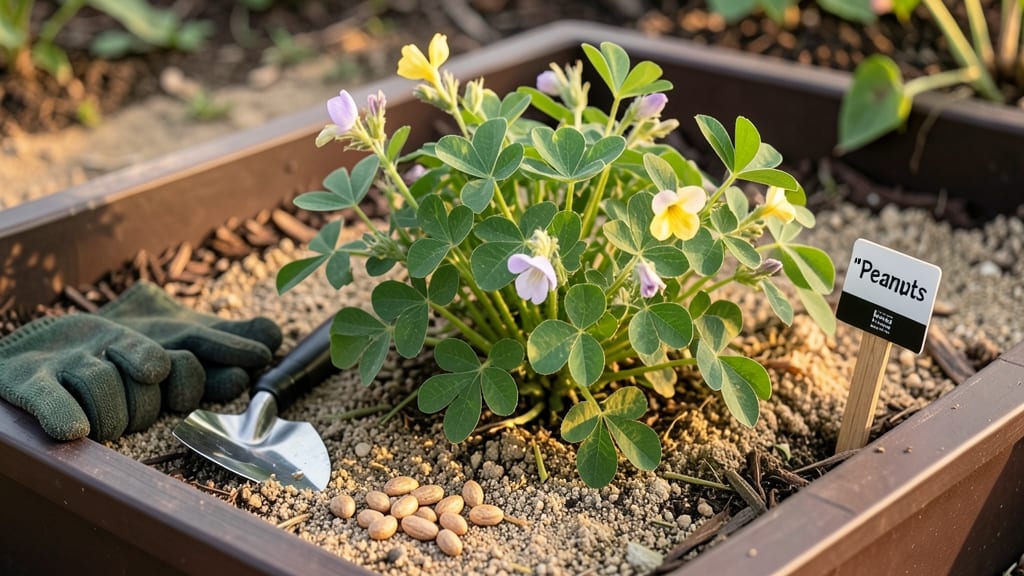
Planting peanuts in Georgia at the wrong time can mean the difference between a thriving crop and a total loss—especially when frost sneaks in unexpectedly. With the state’s diverse climate zones from the Coastal Plain to the Piedmont, knowing the precise window for your county is critical.
The ideal moment arrives when soil temperatures hit 70°F+, typically in mid-May to early June, but timing varies by region.
Most gardeners overlook how local frost patterns shift planting dates by weeks, even within Georgia. For example, North Georgia’s 7b zone demands earlier starts than the 8b Coastal Plain, where warmer soils linger longer.
Miss the mark, and you risk stunted growth or pest invasions—both of which can slash your yield by up to 50%.
I’ll break down the exact county-specific dates you need, backed by USDA data and local agricultural extensions. You’ll also learn how to prep your soil for peak peanut performance, avoiding the three biggest timing mistakes that trip up even experienced growers.
Let’s get your 🥜 crop off to the right start.
Whether you’re a backyard gardener or a small-scale farmer, these insights will help you align your planting schedule with Georgia’s climate quirks. From soil temperature checks to frost-free deadlines, we’ll cover everything so you can confidently start your peanuts when they’re most resilient. Ready to dig in?
Georgia peanut planting dates by county: avoiding frost risk zones
Georgia’s peanut-growing season thrives on precise timing—plant too early in North Georgia, and frost will destroy your crop. Plant too late in South Georgia, and you’ll miss the ideal 120-day harvest window.
The key is aligning your planting with USDA frost data and soil temperatures above 68°F.
Peanuts are a summer crop in Georgia, meaning they need warm soil to germinate. In Zone 7b counties like Fulton and Forsyth, wait until mid-May when nighttime temps stay above 55°F. Meanwhile, Zone 8b areas like Glynn and Brantley can start as early as late April.
Here’s how to navigate Georgia’s diverse frost risk zones—from the Piedmont’s early frost danger to the Coastal Plain’s extended growing season—to plant peanuts at the perfect time for maximum yield.
🚨 CRITICAL RULE: Never plant peanuts until the soil is consistently above 68°F for at least 3 days. Use a soil thermometer to check—cold soil = failed germination. In North Georgia, this often means waiting until late May, while South Georgia can start as early as mid-April.
For North Georgia counties like Forsyth and Hall, the last frost date often falls around April 15, but peanuts won’t germinate until soil warms to 68°F+.
This means waiting until mid-May is safest. Use black plastic mulch to warm the soil faster if you’re eager to plant early.
In Central Georgia, counties like Fulton and Cobb offer a longer window—planting as early as late April is possible if the soil is warm enough. However, a late frost in May
Georgia’s peanut varieties thrive when planted at the right time, and choosing the right type for your region can make all the difference. The Georgia Red and Georgia White varieties dominate local farms, while Virginia-type peanuts offer a longer harvest window. Each variety has its own ideal planting window, typically between mid-May and early June, but timing shifts based on your soil type and county. For Georgia Red and Georgia White, which are early-maturing varieties, aim to plant when soil temperatures hit 70°F+. These varieties mature in about 120 days, making them perfect for North Georgia’s shorter growing season. Meanwhile, Virginia-type peanuts, which take 135–150 days to mature, are better suited for South Georgia’s longer frost-free season. Soil prep is just as critical as planting dates. Georgia’s sandy soils in the Coastal Plain drain quickly, so add 2–3 inches of compost to retain moisture. In contrast, clay-heavy soils in the Piedmont can compact easily—amend with organic matter like pine bark fines to improve aeration. Always aim for a pH of 5.8–6.2 for optimal peanut growth. If you’re in North Georgia, prioritize early-maturing varieties like Georgia Red to avoid late-season frost. In South Georgia, you can extend planting into early June for Virginia-type peanuts, which benefit from the region’s longer growing season. Always monitor soil temperatures with a soil thermometer—peanut seeds won’t sprout below 68°F. For best results, plant seeds 1.5–2 inches deep and space them 6–12 inches apart in rows 18–24 inches apart. Thin seedlings to 4–6 inches apart once they’ve sprouted to reduce competition. Mulch with straw or pine needles to keep soil temperatures stable and suppress weeds. Timing your peanut planting isn’t just about the calendar—it’s about aligning your variety with Georgia’s microclimates. Whether you’re growing Georgia Red in Floyd County or Virginia-type in Camden County, these guidelines will help you avoid common pitfalls and maximize your yield. With the right variety and soil prep, your peanuts will thrive from May to October.Peanut varieties and their ideal planting timelines in Georgia
Variety
Ideal Planting Window
Days to Maturity
Best Soil Type
Key Notes
Georgia Red
Mid-May to early June
110–120 days
Sandy loam
Early-maturing, drought-tolerant
Georgia White
Late May to early June
120–130 days
Clay-heavy
Resistant to leaf spot
Virginia-type
Early May to late May
135–150 days
Well-draining
Longer harvest window