
Lawn
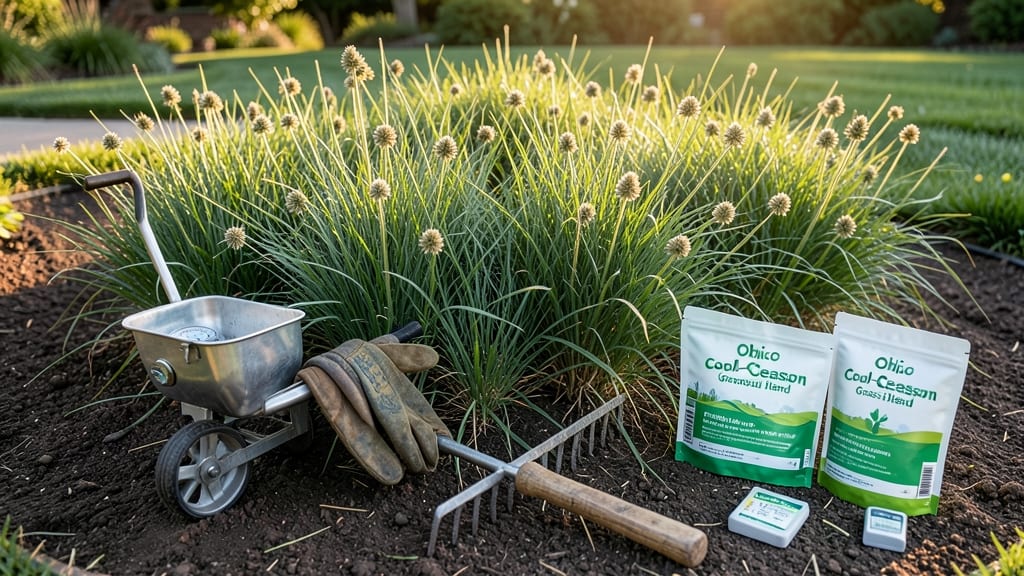
Planting grass seed in Ohio at the wrong time can turn your fast germination dreams into a slow, patchy mess—especially when unpredictable frost or scorching heat gets in the way.
The key to a lush lawn in USDA Zone 6a-6b isn’t just when you plant, but how you time it with Ohio’s 50–65°F soil thresholds and seasonal shifts.
Most Ohio gardeners assume spring is the only window, but fall actually offers cooler temps and fewer weeds—giving your 🌱 Grass (Turfgrass) a head start before winter. Whether you’re seeding in March or September, we’ll break down the exact weeks to avoid frost damage and maximize root growth.
You’ll learn how to read Ohio’s microclimates (northern vs. southern regions), prep soil like a pro, and pick the fastest-growing seed varieties for your yard. No more guessing—just a step-by-step plan to skip the trial-and-error.
From soil tests to watering schedules, this guide cuts through the confusion so your lawn thrives year-round. Let’s get started.
Best planting windows for Ohio grass seed: spring vs fall timing
Ohio’s USDA Zone 6 climate creates a delicate balance for grass seed germination. Cool-season grasses like Kentucky Bluegrass and Tall Fescue thrive when soil temperatures stay between 50–65°F. Planting too early risks late frosts, while waiting too late exposes seeds to summer heat stress or drought conditions.
The key is understanding how Ohio’s regional microclimates—from northern lakeside areas to southern valleys—shift these ideal windows.
Fall planting consistently outperforms spring in Ohio because cooler air temperatures reduce evaporation rates, and established roots have time to grow before winter dormancy. However, spring offers a second chance if you missed the fall window.
The challenge? Ohio’s unpredictable weather patterns mean you’ll need to monitor soil temperatures and frost dates closely. Let’s break down the best windows for each season and how to adjust for your specific part of the state.
📌 PRO TIP: Use a soil thermometer to confirm temperatures—50°F is the minimum for germination, but 60–65°F is ideal for most cool-season grasses. Northern Ohio (like Cleveland) typically hits these thresholds 2–3 weeks later than southern Ohio (like Cincinnati).
| Timing Factor | Spring Planting (March–May) | Fall Planting (September–October) |
|---|---|---|
| Optimal Months | Mid-April to early May | Late August to mid-October |
| Soil Temperature | 50–65°F (after last frost) | 50–65°F (4–6 weeks before first frost) |
| Germination Speed | Slower (spring drought risk) | Faster (cooler temps = less stress) |
| Establishment Time | 6–8 weeks (summer heat slows growth) | 4–6 weeks (roots harden before winter) |
| Northern Ohio Adjustment | Wait until May 1–15 (later frosts) | Plant by September 15 (earlier frost) |
| Southern Ohio Adjustment | Plant by April 15 (warmer soils) | Plant until October 15 (milder winters) |
For spring planting, aim for mid-April to early May when soil temperatures consistently stay above 50°F. However, Ohio’s spring is notoriously unpredictable—a late frost in May can wipe out young seedlings.
If you choose spring, cover seeds with a frost cloth until the threat of frost passes. Kentucky Bluegrass and Perennial Ryegrass blends are popular spring choices because they germinate quickly (7–14 days), giving them a head start before summer heat sets in.
Fall planting, on the other hand, offers a longer window and better success rates because seeds germinate in cooler, more stable conditions. The ideal time is late August to mid-October, with September being the sweet spot for most of Ohio.
In northern Ohio, wrap up by September 15 to avoid early frosts, while southern Ohio can extend planting until October 15. Tall Fescue and Fine Fescue are excellent fall choices—they establish deep roots before winter, making them more drought-resistant in the following summer.
Regional adjustments matter in Ohio. If you’re in northwest Ohio (near Toledo or Cleveland), wait until May 1 for spring planting to avoid late-season frosts that can kill tender seedlings. For fall planting, northern areas should finish by September 15 to ensure seeds don’t go dormant before establishing.
In southeast Ohio (like Athens or Chillicothe), you can plant grass seed as late as October 15 because milder winters reduce frost risk. Always check your local USDA Plant Hardiness Zone map for precise adjustments.
One common mistake Ohio gardeners make is planting too early in spring, hoping for faster growth. Seedlings won’t survive frost, no matter how much you water them. Use a frost date calculator
How to prepare Ohio soil for grass seed: step-by-step pre-planting checklist
Ohio’s clay-heavy soil and variable pH levels can sabotage even the best grass seed if you skip prep. Without proper amendments, your seeds may struggle to germinate or grow unevenly—leaving you with a patchy lawn instead of the lush carpet you want.
The secret to success? A 6.0–7.0 pH soil profile, 1–2 inches of organic matter, and a weed-free seedbed.
I’ve seen too many Ohio gardeners rush into seeding without testing their soil first. One year, a neighbor planted Kentucky Bluegrass in late April without adjusting his acidic soil—his seeds barely sprouted, while mine thrived because I amended mine with lime and compost first. Don’t let that be you!
Test Soil pH
Use a digital pH meter or send a sample to your local Ohio State Extension office. Aim for 6.0–7.0. If your soil is too acidic (<6.0), add pelletized lime (follow package rates). For alkaline soil (>7.0), mix in sulfur or peat moss.
Till or Aerate
Loosen soil to a 3–4 inch depth with a rototiller or rent a core aerator for compacted areas. This helps seeds make contact with soil and improves water absorption. Avoid tilling when soil is wet—it creates clumps that block germination.
Remove Weeds
Kill existing weeds with a non-residual herbicide (like glyphosate) 7–10 days before seeding. For organic control, smother weeds with cardboard or newspaper topped with 2 inches of compost. Never use pre-emergent herbicides before planting—it’ll kill your grass too!
Add Organic Amendments
Spread 1–2 inches of compost or peat moss over the tilled area, then lightly rake to mix into the top 1 inch of soil. For sandy soil, add topsoil to improve moisture retention. Avoid fresh manure—it can burn seeds with excess ammonia.
Level the Seedbed
Use a rake or leveling board to create a smooth surface. Fill low spots with amended soil and scrape off high areas. A 1/4-inch variation or less ensures even seed-to-soil contact for uniform germination.
Lightly Water Before Seeding
Moisten the soil to a 2-inch depth the day before planting. This helps seeds stick to the soil and ensures immediate hydration after sowing. Avoid overwatering—soggy soil can suffocate seeds.
One mistake I see often? Ohio gardeners over-tilling their soil, which brings up buried weeds and disrupts soil structure. Another is skipping the pH test—assuming their soil is "fine" when it’s actually too acidic or alkaline.
Always test, amend, and re-test if needed. Your grass will thank you with faster germination and disease resistance.
Pro tip: If your lawn already has established grass, overseed in the fall when weeds are less competitive. For bare soil, spring is your best bet—just wait until soil temps hit 50°F consistently. And remember: patience is key. Germination takes 14–28 days depending on the variety and weather.
🌱