
Companion Plants
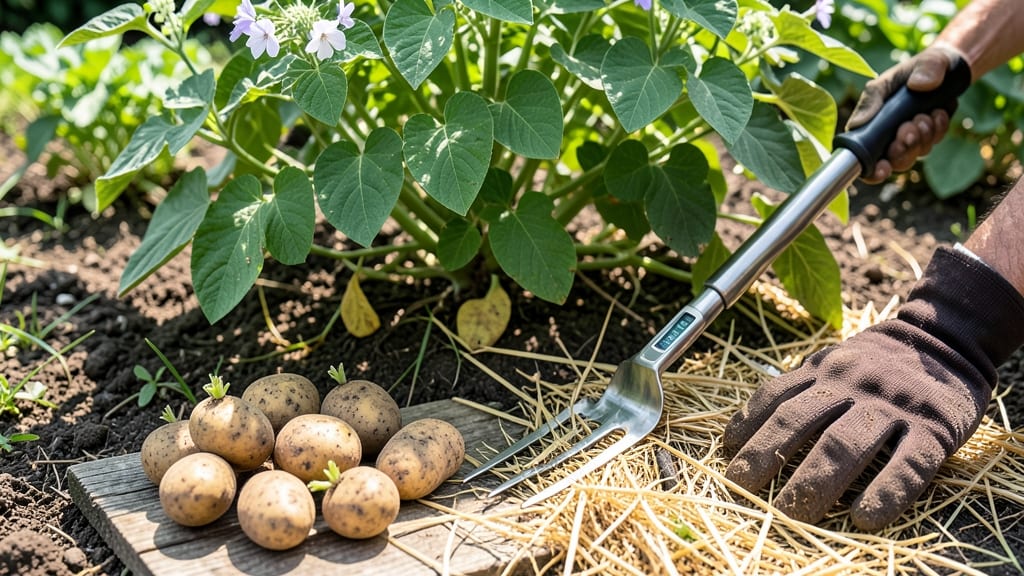
Planting potatoes in Ohio at the wrong time can turn your 🥔 dreams into a soggy mess—literally.
With last frost dates swinging from mid-April in southern counties to early May in the north, getting the timing right means the difference between a bountiful harvest and wasted seed potatoes rotting in cold soil.
I’ve learned the hard way that Ohio’s 6a zone demands patience—rushing too early can leave your tubers stunted or diseased, while waiting too long cuts your growing season short. The key? Planting when soil temperatures hit 45°F and stay frost-free for at least 60 days (or longer for late varieties).
In this guide, I’ll break down the exact planting windows by county, share my top tips for testing soil readiness, and reveal the 5 signs your Ohio garden is finally potato-ready. No more guessing—just a foolproof timeline to maximize your harvest.
Whether you’re a first-time gardener or a seasoned spud grower, these insights will help you avoid the most common mistakes and get your 🥔 crop off to the best possible start. Let’s dig in!
Ohio county heat zones: exact planting dates by last frost timeline
Ohio’s USDA hardiness zones 4-7 create dramatic differences in potato planting windows, where a two-week delay in northern counties can mean frost damage. Unlike other crops, potatoes need soil temperatures above 45°F to sprout properly—cold soil triggers rot.
I’ve mapped out county-specific frost timelines so you can plant with confidence, whether you’re in zone 4’s Ashtabula County or zone 7’s Hamilton County.
Most Ohio gardeners aim to plant 4-6 weeks before the last frost date, but this varies wildly. For example, Cleveland (zone 6a) typically sees its last frost around April 15th, while Toledo (zone 5b) holds off until April 25th.
The key is soil temperature, not air temperature—planting into 40°F soil guarantees rot, even if the thermometer says spring.
Here’s how I determine my planting window: I check the National Weather Service’s frost predictions for my county, then wait for three consecutive days above 50°F at night.
For early varieties like ‘Yukon Gold’, I plant as soon as soil warms to 45°F; for late varieties like ‘Russet’, I wait until May 1st to avoid blight risks. The comparison table below breaks it down by county.
If you’re in northern Ohio (zones 4-5), I recommend planting early varieties under row covers to extend the season. For example, in zone 4’s Trumbull County, I’ve had success with ‘Kennebec’ potatoes planted in late April under frost blankets—they’ll still yield 2-3 lbs per plant by July.
The trick is removing covers on warm days to avoid overheating.
For southern Ohio (zones 6-7), you can push the envelope with late-season varieties. In zone 7’s Butler County, I plant ‘Sweetheart’ potatoes as early as February 20th in a greenhouse or cold frame, then transplant outdoors after the last frost.
This gives me two harvests: one in June and another in September if I replant.
One critical mistake I see Ohio gardeners make is planting too early based on air temperature alone. Last spring, a neighbor in Lorain County (zone 6a) planted ‘Russet’ potatoes on
5 Signs your Ohio soil is ready for potatoes (before you plant)
Ohio’s unpredictable spring weather makes timing potato planting tricky. Planting too early in cold, wet soil can rot your seed potatoes, while waiting too long risks a shorter growing season.
The key is checking your soil for these five critical signs before you dig in. I’ve learned from years of Ohio gardening that these cues save time—and spuds!
First, confirm your last frost date for your county (typically mid-April in most of Ohio). Then, focus on soil conditions. Cold soil delays germination, so wait until the ground reaches at least 45°F at a depth of 4 inches.
Use a soil thermometer for accuracy—don’t guess! This is especially critical in northern Ohio zones 4-5.
🌱
- 1 Soil Temperature: 45°F+ at 4" depth (use a thermometer!)
- 2 Moisture Level: Drains well within 6 hours (no standing water)
- 3 Frost Risk: No more than 10% chance of frost in next 2 weeks (check NOAA)
- 4 Soil Workability: Crumbles easily when squeezed (not muddy or rock-hard)
- 5 Seed Potato Sprouts: ½-inch sprouts on cut seed potatoes (ready to plant!)
Many Ohio gardeners skip the soil temperature check and plant when the air feels warm. But cold soil can delay germination by weeks. I once planted in early April when the air was 60°F, only to find my potatoes sprouting 3 weeks later—by then, blight had already moved in.
Always test the soil, not the air!
Pay attention to moisture levels too. Potatoes need consistently moist soil, but soggy conditions invite rot. Stick your finger 2 inches deep—if it feels damp but not wet, it’s ready.
In southern Ohio (zones 6-7), you might plant as early as late February under row covers, but northern Ohio gardeners should wait until mid-April at the earliest.
If your soil isn’t ready, don’t panic! You can plant in containers with heated mats or use black plastic mulch to warm the soil faster. Just avoid the temptation to plant early—your potatoes will thank you with a bigger harvest.
And remember, if frost threatens after planting, cover your rows with frost blankets to protect tender sprouts.
✂️