
Companion Plants
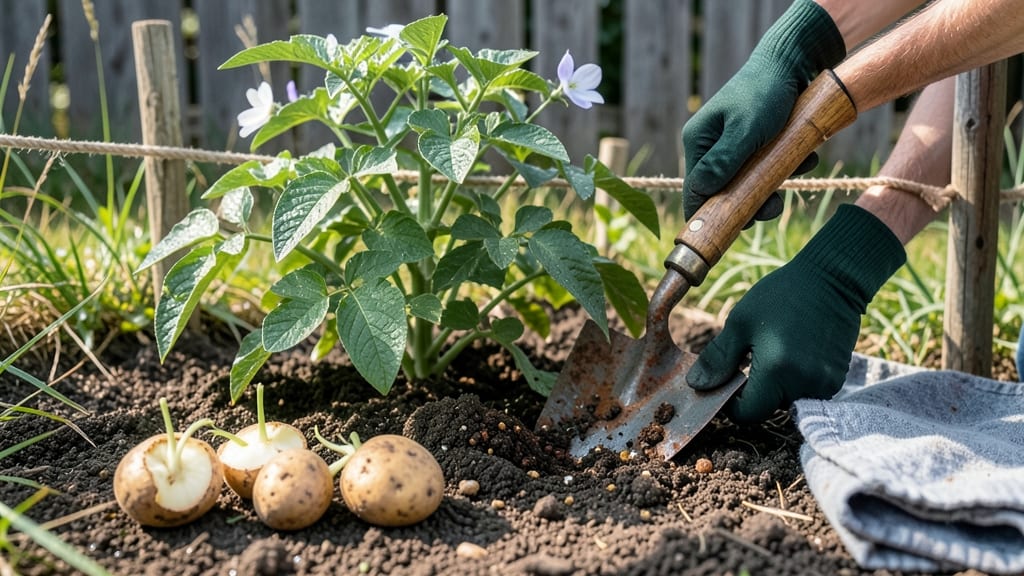
Planting potatoes in Zone 5b after the last frost isn't just possible—it's the key to a bountiful harvest when you choose the right timing and varieties. While many gardeners wait until mid-May, savvy growers know that cold-hardy potatoes like Yukon Gold can actually thrive even when temperatures dip slightly.
The secret lies in understanding your microclimate and selecting varieties that tolerate light frost, giving you a head start on the growing season.
If you've ever missed the traditional planting window or wondered why some potatoes struggle in cooler soil, you're not alone. The good news? With the right approach, you can plant as early as early April for early varieties or extend your season into late May for late bloomers.
The trick is preparing your soil properly and choosing tubers that won't bolt in the heat or rot in the cold.
In this guide, I'll walk you through the exact planting windows that work in Zone 5b, from frost-resistant timing to soil temperature tips that make all the difference.
Whether you're a beginner or a seasoned gardener, these strategies will help you avoid common mistakes and maximize your potato yield—no matter when you get them in the ground.
Ready to grow potatoes that beat the odds? Let's dive into the cold-hardy varieties and planting hacks that will have you digging up crisp, flavorful tubers long after your neighbors have given up for the year. Your Zone 5b garden is about to get a lot more productive!

Best planting windows for potatoes in Zone 5b: frost-resistant timing explained
In Zone 5b, where average last frost dates hover around May 15, potatoes can be planted in three strategic windows: early spring, mid-season, and even late summer for a fall harvest.
The key is choosing cold-hardy varieties like Yukon Gold or Kennebec that survive light frost and adjusting planting times based on soil temperature—not just air temperature.
Most gardeners in Zone 5b focus on spring planting (mid-April to mid-May), but late-season plantings (July-August) can yield potatoes before winter sets in. The trick is ensuring your soil stays above 45°F—potatoes won’t sprout in cold, wet ground, even if the air warms up.
Use this frost-free calculation: Subtract your average last frost date (May 15) from your first frost date (October 15) to get ~150 frost-free days. Early varieties need 70-90 days to mature, while late varieties stretch to 120 days.
This means you can plant early varieties as late as July 15 for a fall harvest.
For early spring plantings, use black plastic mulch to warm the soil faster. Bury the edges to trap heat and plant 4 inches deep with 12-inch spacing.
Cover young plants with frost cloth if nights dip below 32°F—even cold-hardy varieties like Red Norland can suffer if frost lingers.
Mid-season plantings (after May 15) are the safest bet. By then, soil temperatures consistently stay above 50°F, and the risk of frost damage drops significantly.
This window works best for Kennebec or Adirondack Blue, which thrive in cooler soils but need full sun (6+ hours daily) to bulk up their tubers.
Don’t overlook late summer plantings! In Zone 5b, you can still get a harvest before winter by planting early-maturing varieties like Early Red in July.
These potatoes grow quickly (ready in 50-70 days) and tolerate cooler soils. Just ensure they’re in the ground by August 1 to avoid stunted growth.
Pro tip: Use a soil thermometer to check temperatures before planting—potatoes won’t sprout until soil hits 45°F. If your ground is colder, wait or use straw mulch to insulate and warm it faster.
Overwatering cold soil can delay sprouting, so aim for 1-2 inches of water per week once planted.
Adjust your planting schedule based on microclimates in your garden. South-facing beds warm up faster than shady spots, so plant those areas first. Elevations above 2,000 feet may need a 2-week delay—always check your local frost date averages for precise timing.
Remember: Potatoes hate competition. Plant them in well-draining soil with a pH of 5.0-6.5 and avoid planting near tomatoes, peppers, or eggplants (they’re all nightshades and share diseases). Rotate crops annually to prevent Verticillium wilt, a common Zone 5b potato problem.
With these timing strategies, you can enjoy three harvests a year in Zone 5b—spring, summer, and fall potatoes! Start with one variety per window to test what works best in your microclimate, then expand next season.
Cold-hardy potato varieties for Zone 5b: which ones survive after frost?
Not all potatoes handle Zone 5b's unpredictable frosts equally. The key to success lies in selecting cold-hardy varieties that tolerate light frost and still deliver high yields. Some varieties even thrive when planted just after the last frost date, giving you a late-season harvest when others fail.
My top picks balance frost resistance with flavor and productivity, ensuring you get both quantity and quality.
For Zone 5b gardeners, timing is critical—but so is variety selection. Early-season varieties like 'Red Norland' and 'Yukon Gold' can handle brief cold snaps, while late-season favorites like 'Katahdin' and 'Adirondack Blue' store well and resist disease.
Below, I’ve compared the best frost-tolerant options to help you decide which will work best in your garden.
If you're planting after the last frost, 'Red Norland' and 'Yukon Gold' are my go-to choices. They mature quickly and handle late-season frosts better than most varieties.
For a longer harvest window, 'Katahdin' and 'Kennebec' are excellent—just be sure to plant them 4-6 weeks before your first expected frost to ensure tubers mature fully.
For those who love unique flavors, 'Adirondack Blue' is a standout. Its nutty, earthy taste makes it perfect for mashed potatoes, but it requires a longer growing season. If you’re short on time, stick with early-season varieties like 'Red Norland'