
Plants
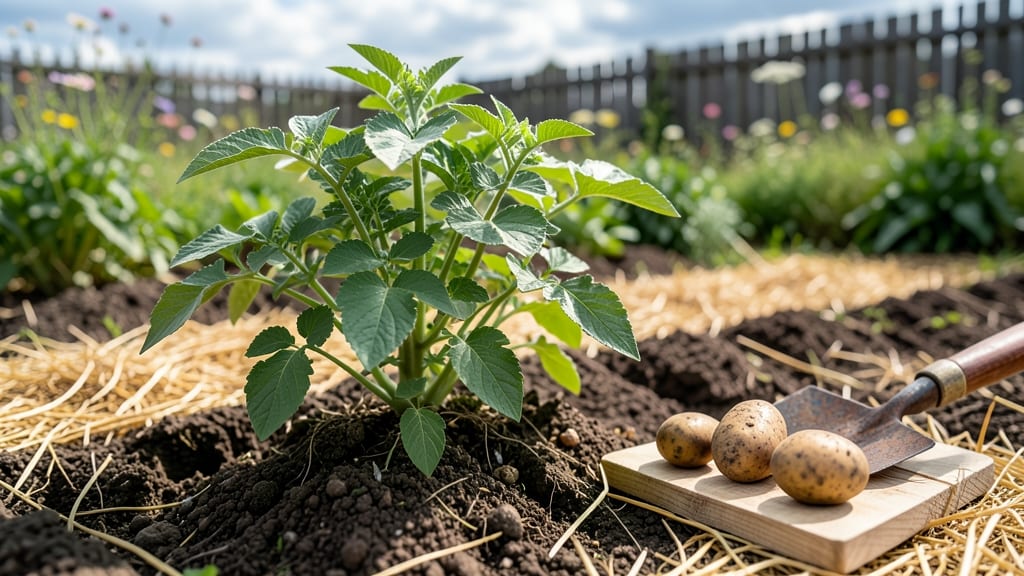
Planting potatoes in Zone 7 at the perfect time means the difference between a bountiful harvest of crisp, golden spuds and a sad, frost-bitten crop. The key?
Getting them in the ground when soil temperatures hit 45°F—about 2-4 weeks before your last frost date—so they can sprout without freezing.
I’ve learned the hard way that rushing too early can leave tender shoots vulnerable, while waiting too long risks stunted growth. Whether you’re using seed potatoes or transplants, timing matters more than most gardeners realize.
Let me walk you through the exact schedule—and a few pro tips—to ensure your 🥔 plants thrive all season long.
Zone 7’s mild winters and warm springs give you flexibility, but not infinite time. Early varieties can go in as soon as the soil is workable, while later types need to avoid the heat of summer.
We’ll break down the best weeks to plant, plus how to adjust for your specific microclimate—because even a few degrees can make or break your harvest.
Ready to dig in? By the end, you’ll know exactly when to plant, how to prep your soil, and even how to extend your growing season for a second crop. No more guessing—just better yields from your potato patch!

Zone 7 potato planting timeline: exact weeks before last frost for each variety
In Zone 7, where average minimum temperatures dip to 10-12°F, timing your potato planting is critical. The last spring frost typically occurs between March 15 and April 15, but soil temperature—at least 45°F (7°C)—is the real game-changer.
Early varieties can handle cooler soils, while late-season potatoes need warmth to thrive. Let’s break down the exact planting windows for each potato type to ensure you maximize your harvest.
Most gardeners in Zone 7 focus on spring planting, but with the right varieties, a fall planting (for early harvests the following year) is also possible. The key is matching your potato variety to the weeks before last frost, soil temperature, and your local microclimate.
For example, Yukon Gold potatoes need 90-110 days to mature, while Red Pontiac can be ready in just 70-80 days.
Here’s your exact planting schedule for Zone 7, including soil temperature requirements and ideal planting windows for early, mid, and late-season varieties:
| Variety Type | Days to Maturity | Weeks Before Last Frost | Soil Temp Requirement | Ideal Planting Window (Zone 7) |
|---|---|---|---|---|
| Early (New Potatoes) | 60-75 days | 8-10 weeks | 40-45°F (4-7°C) | Mid-February to early March |
| Mid-Season | 80-90 days | 10-12 weeks | 45-50°F (7-10°C) | Late March to mid-April |
| Late (Storage) | 90-120 days | 12-14 weeks | 50-55°F (10-13°C) | Mid-April to early May |
| Fall Planting (Early Harvest) | 60-75 days | 16-18 weeks before first frost | 45°F (7°C) minimum | Late July to early August |
For early varieties like Red Norland or Yukon Gold, you can start as early as mid-February if your soil is workable, but avoid planting when temperatures fluctuate below 40°F (4°C).
These potatoes are perfect for new potato harvests in late spring, giving you a quick reward for your efforts. Use a cold frame or row cover to protect young plants from late frosts.
Mid-season varieties such as Kennebec or Russet potatoes thrive when planted 10-12 weeks before last frost, typically aligning with late March to mid-April. These varieties need warmer soil (45-50°F) to establish roots quickly.
If your soil is still cold, consider chitting your seed potatoes indoors 4-6 weeks before planting to jumpstart growth.
Late-season potatoes like German Butterball or Purple Viking require warmer soil (50-55°F) and should be planted mid-April to early May in Zone 7. These varieties are ideal for storage potatoes and will keep well in a cool, dark place for months.
If you’re in a cooler microclimate, wait until soil temperatures consistently reach 50°F before planting.
Don’t overlook fall planting for early harvests the following year! Plant early-maturing varieties like Red Pontiac or LaRouche in late July to early August, giving them 16-18 weeks to mature before the first frost.
This strategy lets you enjoy fresh potatoes in late fall or early winter, even in Zone 7’s cooler climate.
Pro tip: Use a soil thermometer to monitor temperatures before planting. If your soil is below 45°F, wait a few more days—potatoes won’t sprout in cold soil, no matter how eager you are! For container gardening, use black pots
5 Critical factors that determine your Zone 7 potato planting success (and how to optimize them)
Timing isn't just about frost dates—it's about soil warmth, microclimates, and preparation techniques like chitting. In Zone 7, where last frosts can vary by 2-3 weeks depending on elevation, these factors separate a mediocre harvest from a bountiful one.
Let's break down what truly matters beyond the calendar.
First, soil temperature is your secret weapon. Potatoes thrive when soil reaches 45-50°F—planting too early in cold soil delays sprouting and invites rot. Use a soil thermometer to confirm readiness, especially in urban heat islands where concrete absorbs heat and warms soil faster than rural areas.
Next, chitting (pre-sprouting seed potatoes) gives you a 2-3 week head start. Place seed potatoes in bright light 4-6 weeks before planting to encourage 1-inch sprouts. This ensures faster emergence and compensates for Zone 7's unpredictable spring weather patterns.
Plant when soil hits 45-50°F (not just frost-free). Use black plastic mulch to warm soil 5-7°F faster in cold microclimates.
Sprout seed potatoes 4-6 weeks before planting. Aim for 1-inch sprouts—this cuts emergence time by 10-15 days in Zone 7's variable springs.
Containers warm 3°F faster than soil. Use 5-gallon buckets for early planting in cold pockets, but add compost to prevent overheating.
Urban areas plant 1-2 weeks earlier than rural zones. Cold pockets (like north-facing slopes) need row covers for 2-3 extra weeks of protection.
Stagger plantings every 2-3 weeks for continuous harvests. Late plantings (June) can yield smaller but disease-resistant potatoes by fall.
Don't overlook container planting—it's a game-changer for urban gardeners or areas with shallow soil. Containers warm up 3°F faster than in-ground beds, letting you plant 1-2 weeks earlier. Just ensure pots have drainage holes and use a lightweight potting mix to prevent overheating.
Zone 7's microclimates can shift your planting window by up to 3 weeks. Urban heat islands might let you plant 2 weeks earlier, while cold pockets (like valleys) could delay planting by 10-14 days. Observe your garden's patterns—note where frost lingers longest and where soil warms fastest.
Finally, succession planting extends your harvest window. After your first planting, add 2-3 more batches every 2-3 weeks. Late plantings in June can produce smaller but blight-resistant potatoes by fall, giving you a second harvest when early varieties fade.