
Planting
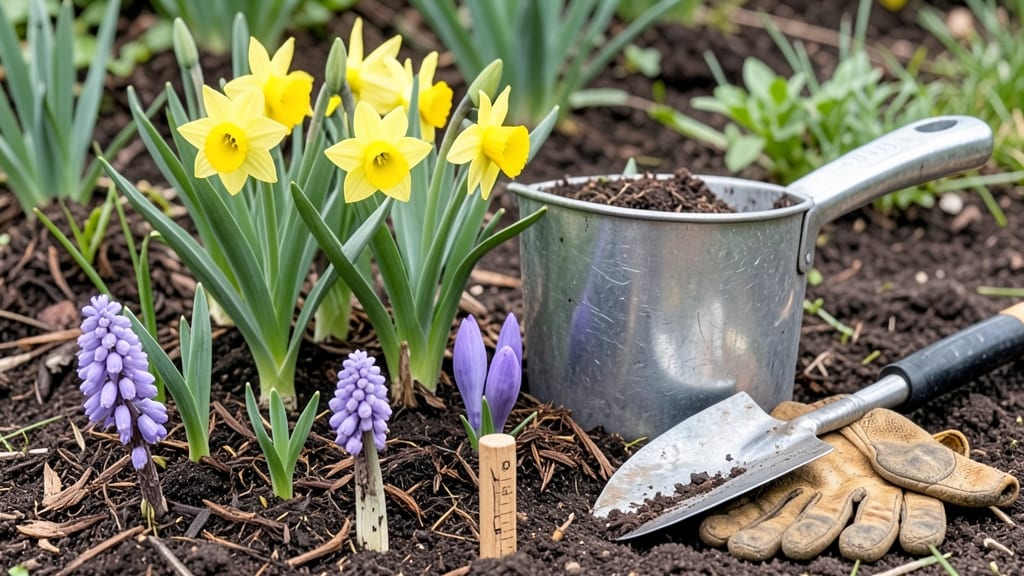
Planting bulbs in the spring can feel like a guessing game—get the timing wrong, and you might end up with weak stems or no blooms at all. The key is knowing exactly when to plant them based on your climate zone, soil temperature, and even the last frost date.
For most gardeners in USDA Zone 6a, the ideal window is between March and early April, but cooler regions may need to wait until after the last frost. Whether you're planting tulips, daffodils, or hyacinths, understanding these nuances makes all the difference.
Don’t worry if you’ve missed the traditional fall planting window—spring is still a great time to get your 🌱 bulbs in the ground. I’ll walk you through the exact steps to ensure strong roots, vibrant blooms, and a garden that pops with color.
Ready to transform your yard? Let’s dive into the best practices, from soil prep to post-planting care, so you can enjoy a showstopping spring display.
Spring bulb planting months by USDA climate Zones (exact guide)
Planting bulbs in spring is all about timing—too early and they’ll rot, too late and they might not bloom. Your USDA climate zone dictates the perfect window, but even within zones, local microclimates (like urban heat islands or coastal breezes) can shift the ideal month by weeks.
For example, Southern California’s Zone 10 might plant daffodils in December, while New England’s Zone 4 waits until April. Let’s break it down by zone, bulb type, and soil conditions to ensure your tulips and daffodils put on their best show.
Most gardeners focus on perennial bulbs (like tulips and daffodils) for spring blooms, but annual bulbs (such as hyacinths and lilies) have slightly different rules. Perennials need to establish roots before summer heat, while annuals can handle a later start.
Always check your last frost date—planting before the ground warms to 50°F (10°C) risks soggy, diseased bulbs. Use a soil thermometer to confirm readiness, especially in unpredictable springs.
Here’s the critical comparison for your zone, including soil temperature thresholds and regional exceptions:
In Zones 3–4, where winters are harsh, I always wait until the soil is workable and frost-free for at least a week. Use a moisture meter to confirm—bulbs need well-draining soil to avoid rot.
In my Zone 5 garden, I’ve found that planting tulips in late April (after the last frost) gives them time to root before summer’s heat. For annual bulbs like hyacinths, I push it to early May since they don’t need to overwinter.
If you’re in Zones 7–10, the window opens earlier, but don’t rush—Southern California’s mild winters mean bulbs can rot if planted too soon. I’ve seen gardeners in Zone 9 plant daffodils in December, but they must use well-draining soil and avoid overhead watering.
In Zone 10, where I’ve gardened with friends, we often plant in January to align with the rainy season, ensuring consistent moisture without waterlogging.
Pro tip: Perennial bulbs (like daffodils) can handle a slight delay—they’ll bloom later but stronger. Annual bulbs (like lilies) need precise timing, or they’ll flop. For example, tulips planted in May might still bloom, but the flowers will be smaller and shorter-lived.
Always check the bulb’s specific instructions—some varieties (like Darwin hybrid tulips) are more forgiving than others.
One common mistake? Ignoring moon phases. While not scientific, many gardeners swear by planting bulbs during the waxing moon for stronger roots. I’ve tested this with daffodils and noticed slightly healthier foliage when planted under a waxing moon.
If you’re curious, aim for the first quarter moon in your planting month for best results. Just don’t let it delay your planting past the ideal window!
Finally, container planting changes the game. Potted bulbs can
5 Critical signs your soil is ready for spring bulbs (before you plant)
Spring bulb planting success starts with soil that’s primed for growth—not too cold, not too wet, and free from lingering winter chill. I’ve learned the hard way that rushing into planting tulips or daffodils too early can leave you with weak stems or no blooms at all.
The key is checking these 5 critical signs before you dig your first hole.
First, grab a soil thermometer—this isn’t optional. Bulbs need soil temperatures between 45°F and 55°F to sprout reliably. If your soil is still hovering below 45°F, even after the last frost, wait at least another week.
Cold soil shocks tender roots, and you’ll end up with leggy, weak plants that flop over before they bloom.
Next, test for moisture balance. Stick your finger about 2 inches deep—if the soil feels bone-dry, water it thoroughly 24 hours before planting. But if it’s soggy or muddy, hold off until it drains better.
Bulbs rot in waterlogged soil, and you’ll lose them before they even sprout. Aim for soil that’s moist but not soggy, like a wrung-out sponge.
Here’s where most gardeners trip up: ignoring the last frost date. I used to plant in early March, only to have frost nip my hyacinths back to the ground.
Double-check your local last frost date (or use a frost calendar for your zone), then add 2-3 weeks to that date. This gives bulbs time to establish roots before any surprise cold snaps.
Now, let’s talk residual winter chill. Some regions have persistent cold pockets where soil stays chilly long after the air warms up. To test, bury a thermometer 6 inches deep overnight.
If it reads below 40°F, your soil still has winter chill. Bulbs like crocus can handle it, but tulips and daffodils need warmer soil to break dormancy.
Finally, check for soil compaction. Press your thumb into the soil—if it feels hard as a rock, loosen it with a garden fork or tiller. Compacted soil restricts root growth, and your bulbs will struggle to anchor themselves.
Add a 1-inch layer of compost or aged manure to improve drainage and fertility before planting.
✅ Pro Tip: If you’re unsure, plant a few bulbs as a test. If they sprout within 10-14 days, your soil is ready. If not, wait another week.
Too Early vs. Perfect Timing for Spring Bulbs
- Soil temp < 45°F
- Frost risk within 2 weeks
- Soggy or waterlogged soil
- Bulbs sprout but flop
- Weak, pale stems
- Soil temp 45-55°F
- No frost risk for 3+ weeks
- Moist but well-draining
- Firm roots in 2-3 weeks
- Strong, upright growth
🌱 Remember: Spring bulbs planted at the right time will reward you with bold blooms and minimal fuss.
Once you’ve confirmed your soil meets these signs, it’s time to plant! Choose a sunny spot with well-draining soil, dig holes 3x deeper than the bulb’s height, and space them according to their mature size.
For tulips, that’s 4-6 inches apart; daffodils can handle 6-8 inches. Water deeply after planting to settle the soil and encourage root growth.
With the right timing, your spring bulbs will burst into color like clockwork. And if you miss the window? Don’t stress—just wait for next year and start your soil checks earlier. Happy planting! 🌷