
Plants
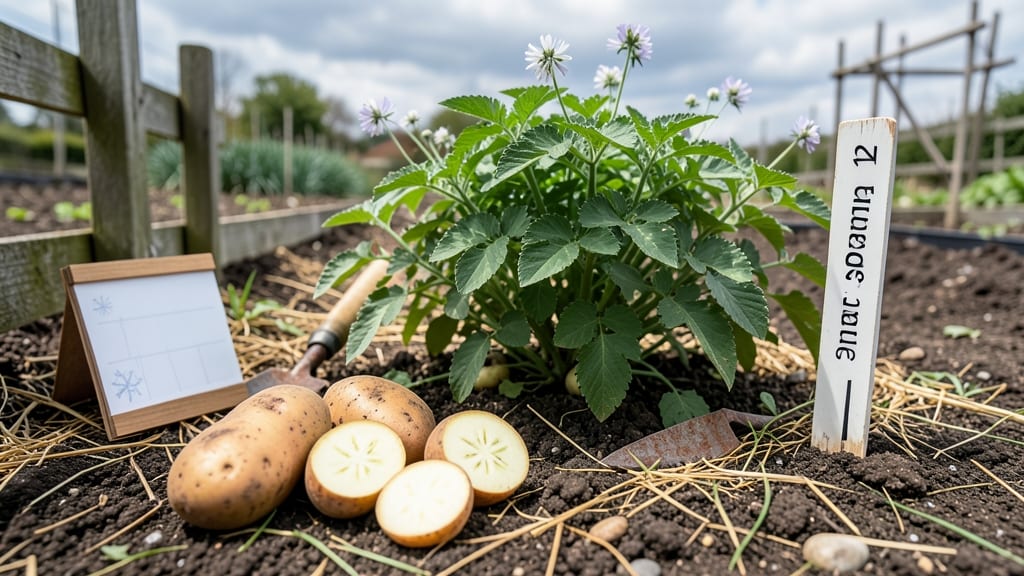
Planting potatoes in Zone 5 isn't just about tossing them in the dirt and hoping for the best—it's a precise timing game that can mean the difference between a bountiful harvest and wasted effort.
If you've ever watched your spuds turn to mush after a late frost or struggled with stunted growth, you know how critical the right window really is.
The key to success lies in understanding your last frost date and choosing varieties that mature fast enough to beat the clock. In Zone 5, where frosts can linger well into spring, planting too early risks frost damage, while waiting too long cuts your growing season short.
I'll show you exactly when to plant for maximum yield, whether you're going for early varieties or pushing the limits with late-season crops.
Let's break down the ideal planting schedule, including soil temperature thresholds and frost risk calculations tailored to your region. You'll discover how to adjust for Zone 5's unpredictable springs and which potato types thrive in your climate.
With these strategies, you'll be well on your way to a garden full of crisp, homegrown 🥔 potatoes.
Ready to transform your potato patch? The secrets to timing, soil prep, and frost protection are all ahead—no more guesswork, just guaranteed results. Let's get started.

Zone 5 potato planting timeline: exact weeks before last frost for best results
In Zone 5, potatoes thrive when planted at the perfect moment—too early and frost zaps your crop; too late and you miss peak tuber production. The ideal window depends on your last frost date, soil temperature, and potato variety.
Most gardeners in Zone 5 plant 4-6 weeks before the last frost, but regional differences matter. Northern Zone 5 (e.g., Minneapolis) may need to wait until late April, while southern areas (e.g., Kansas City) can start as early as mid-March.
Let’s break it down by variety and soil readiness.
Potatoes need soil temperatures above 45°F (7°C) to sprout consistently. Use a soil thermometer to confirm—cold soil delays germination and invites rot. In Zone 5, this typically aligns with 2-4 weeks before your average last frost date.
For example, if your last frost is May 10, plant between April 15-25. Pro tip: Chit your seed potatoes (sprout them indoors in light) to jumpstart growth when soil is still chilly.
Early varieties (e.g., Yukon Gold, Red Norland) mature in 60-90 days, making them ideal for Zone 5’s short season. Plant these 4-5 weeks before last frost to ensure harvest before fall frosts. Late varieties (e.g., Russet Burbank) take 100-120 days and should go in 3-4 weeks before last frost, but only if you’re willing to risk a shorter harvest window or use row covers to extend the season.
Regional adjustments are critical in Zone 5. Northern areas (e.g., Duluth, MN) may need to wait until late April or early May due to slower soil warming. Southern Zone 5 (e.g., St. Louis, MO) can plant as early as mid-March under frost protection like row covers or black plastic mulch. Check your USDA Plant Hardiness Zone map for precise local data—even a 50-mile shift can change your planting window by 2-3 weeks.
Here’s your Zone 5 potato planting timeline, tailored to soil temperature and frost risk:
For maximum yield, aim to plant early varieties 4-5 weeks before last frost and late varieties 3-4 weeks before. This gives tubers enough time to bulk up before fall frosts hit.
For example, if your last frost is May 1, plant early varieties by March 25 and late varieties by April 10. Use a frost calendar (like the Old Farmer’s Almanac) to pinpoint your exact dates—Zone 5’s frost patterns vary wildly by year.
Don’t forget: Soil preparation is just as critical as timing. Work in compost or aged manure before planting to boost nutrients, and choose a loose, well-draining spot to prevent rot.
Plant seed potatoes 4 inches deep and 12 inches apart in rows 3 feet apart to allow for hilling (piling soil around stems) as plants grow. Hilling encourages more tuber formation and protects against late spring frosts.
If you’re in a northern Zone 5 area with colder springs, consider straw mulch or black plastic mulch to warm the soil faster. These methods can shave off 1-2 weeks from your planting timeline.
For southern Zone 5, you might even squeeze in a second planting of fast-maturing varieties in late May for a fall harvest—just be prepared to use row covers to protect from early autumn frosts.
Pro tip: Track your soil temperature
How to adjust your potato planting schedule for Zone 5’s unpredictable spring
Zone 5’s unpredictable spring weather can turn a great potato crop into a gamble. One week you might have 60°F soil, and the next, a surprise 28°F frost hits. The key is flexibility—using tools and techniques to extend your growing season while protecting young plants.
I’ve learned that straw mulch and row covers can mean the difference between a failed crop and a harvest of golden Yukon Golds.
Don’t assume your last frost date is set in stone. Even if your average last frost is May 15th, a late cold snap can push it back.
I plant my early varieties like Red Norland in late March or early April, then use black plastic mulch to warm the soil faster. For late varieties, I wait until mid-May and use frost cloth for extra protection.
⚠️ WARNING: Frost Damage Signs & How to Save Your Potatoes ⚠️
- Blackened leaves = minor damage; remove dead foliage and monitor.
- Wilted stems = severe frost; cover with mulch immediately to protect tubers.
- Green skin on tubers = toxic solanine (from light exposure); harvest immediately and use in cooking.
Pro Tip: If frost hits, pile straw or leaves over plants to insulate soil and tubers. Check for sprouting eyes—if they’re still alive, your crop may recover!
One of my favorite tricks is succession planting. Instead of betting everything on one planting date, I stagger my seed potatoes every 2-3 weeks from March to May. This way, even if the first batch gets nipped by frost, the later plantings still thrive.
I also use straw mulch (not hay—it can harbor weeds) to keep soil temperatures stable and retain moisture.
Row covers are another game-changer. A lightweight frost cloth can raise soil temperatures by 5-8°F, giving young plants a fighting chance. I drape it over hoop tunnels or stakes and secure it with bricks or rocks. Remove it when flowers appear to allow pollination—but keep it handy for those late spring surprises.
If you’re worried about late-season frosts in fall, consider early-maturing varieties like ‘Early Girl’ or ‘Kennebec’, which can be harvested in 70-90 days. For longer seasons, try ‘Russian Banana’ fingerlings, which mature in 85-95 days and tolerate cooler soils.
Always harvest before the first frost—even if tubers aren’t fully sized, they’ll keep in a cool, dark place.
Finally, monitor your soil temperature with a soil thermometer. Potatoes need 45°F+ soil to sprout consistently. If temps are below 50°F, delay planting or use black plastic mulch to warm it faster. With these adjustments, you’ll turn Zone 5’s unpredictable spring into your potato-growing advantage.