
Companion Plants
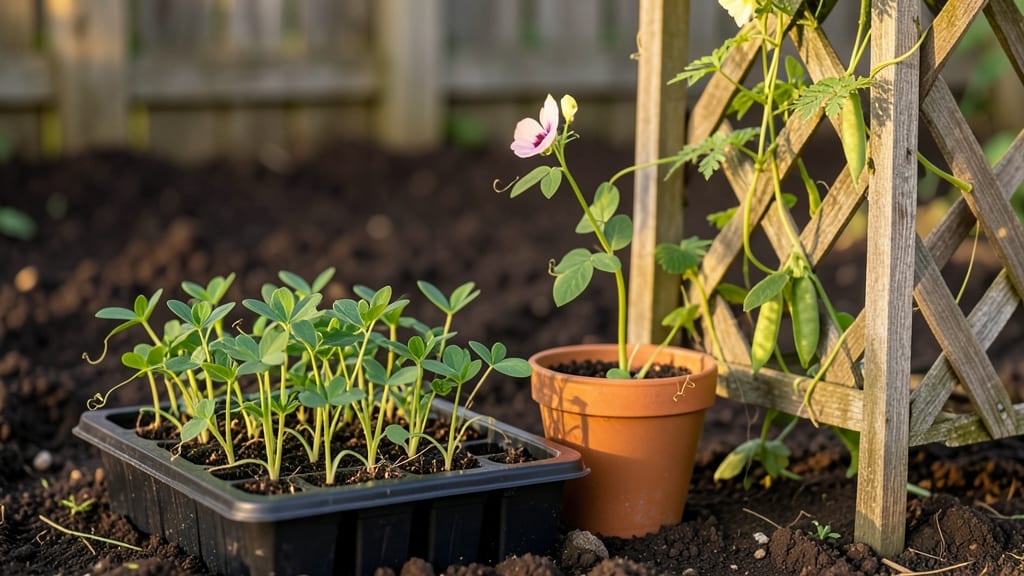
Planting peas at the wrong time in Zone 5 can mean the difference between a bountiful harvest and wasted effort—especially when you're racing against frost dates and soil conditions that change by the week.
I’ve learned the hard way that Zone 5’s unpredictable springs demand precision: peas thrive when soil temps hit 40°F, but planting too early in cold, soggy ground stunts growth, while waiting too long risks bolting before you even get a taste.
The key is knowing exactly when to sow for those sweet, tender pods by late spring.
Whether you’re growing sugar snaps, snow peas, or shelling varieties, timing matters more than you think. I’ll break down the ideal planting windows—including late-summer options—and share pro tips to avoid common pitfalls like poor germination or bitter-tasting peas.
Ready to maximize your harvest? Let’s dive into the exact weeks before last frost that’ll set you up for success—plus how to stretch your growing season with smart succession planting.

Zone 5 pea planting timeline: exact weeks before last frost for success
Peas thrive in Zone 5's cool climate, but planting them at the wrong time can lead to bolting (premature flowering) or poor germination. The key is to plant 2-3 weeks before your last frost date, when soil temperatures reach 40-45°F.
This window ensures strong root development before summer heat arrives.
Your last frost date in Zone 5 typically falls between mid-April and late May, depending on your microclimate. For example, if your last frost is May 10, aim to plant peas by April 15-20. This timing gives plants enough time to mature before summer's heat stresses them.
Cold-hardy varieties like Sugar Snap or Green Arrow can handle early planting, but avoid sowing in waterlogged or frozen soil. Use a soil thermometer to confirm temperatures are above 40°F—this prevents seed rot and ensures quick germination.
For a second harvest, consider late-summer planting (August) for varieties like Oregon Sugar Pod. These "fall peas" tolerate cooler temperatures and produce pods before the first frost in October-November. However, avoid planting too late—peas need 55-70 days to mature.
| Planting Window | Soil Temp | Last Frost Buffer | Best Varieties |
|---|---|---|---|
| Early Spring (March-April) | 40-45°F | 2-3 weeks before | Sugar Snap, Green Arrow |
| Late Summer (August) | 50-55°F | 8-10 weeks before first frost | Oregon Sugar Pod, Alderman |
| Avoid Planting | Below 40°F | After May 15 (spring) | None (risk of bolting) |
One common mistake is planting peas too early in cold, wet soil, which delays germination. If your soil is still saturated from winter, wait until it drains well and warms slightly.
A simple trick is to press your finger into the soil—if it feels cool but not icy, it’s ready for peas.
To protect young plants from late frosts, use row covers or plant near a south-facing fence for extra warmth. Peas are frost-tolerant, but heavy frost can damage tender foliage. Monitor your local 10-day forecast and cover plants if frost is predicted after germination.
For container growers, use deep pots (12+ inches) filled with well-draining soil. Containers warm up faster than garden beds, so you may plant 1-2 weeks earlier than in-ground. Just ensure pots have drainage holes to prevent root rot in cooler conditions.
If you miss the spring window, don’t despair—fall planting can still yield a harvest. Choose short-season varieties and sow seeds in late August for a September-October harvest. Mulch heavily to insulate roots and extend the growing season by 2-3 weeks.
Remember: Peas are self-pollinating, so spacing isn’t as critical as for other crops. Aim for 2-3 inches between seeds and 18-24 inches between rows to allow airflow and reduce disease risk. Thin seedlings to the strongest plants once they’re 2-3 inches tall.
By following this Zone 5 pea planting timeline, you’ll avoid bolting, maximize yields, and enjoy fresh peas from spring through fall. Start with the right variety, watch soil temps, and protect young plants—your garden will thank you with plump, sweet pods all season long. 🌱
How to extend your pea harvest in Zone 5: successive planting strategies
Peas are a garden favorite, but their short growing season in Zone 5 means missed harvests if you don't plan ahead. The key to a continuous pea supply lies in successive planting—staggering your sowing dates to keep pods coming all season.
With the right timing and protection, you can enjoy fresh peas from late spring through fall, even in our cooler climate.
Most gardeners focus only on spring planting, but fall peas can thrive in Zone 5 too—if you follow the correct schedule. The trick is balancing frost tolerance with daylight hours, since peas need at least 8-10 hours of light to mature properly.
Let's break down the exact steps to maximize your yield without bolting or frost damage.
- 1 Spring Planting (March-April): Sow seeds 2-3 weeks before last frost (typically late March in Zone 5). Use cold-hardy varieties like 'Green Arrow' or 'Lincoln' for early success.
- 2 Successive Spring Plantings: Repeat sowings every 10-14 days until early May. This ensures overlapping harvests as older plants finish and new ones mature.
- 3 Fall Planting (August-September): For a late harvest, sow seeds 8-10 weeks before first frost (early August in Zone 5). Choose heat-tolerant varieties like 'Oregon Sugar Pod' to handle summer heat.
- 4 Protect Young Plants: Use frost blankets or row covers for early/late plantings. Remove covers when temps reach 50°F (10°C) to prevent overheating.
- 5 Companion Planting: Pair peas with radishes, carrots, or cucumbers to deter pests. Avoid planting near onions or garlic, which stunt pea growth.
One of the biggest mistakes gardeners make is planting all peas at once, leading to a single harvest window of just 2-3 weeks. By staggering plantings, you create a rolling harvest that lasts 6-8 weeks in spring and 4-6 weeks in fall.
For example, if your last frost date is May 10th, start your first planting on April 10th, then add new rows every 2 weeks until May 1st.
Don't overlook fall peas—they're a game-changer for Zone 5 gardeners. Plant your last batch in early August for a harvest in September-October, just before frost. Use varieties like 'Tom Thumb' (dwarf) or 'Wando' (heat-tolerant) that handle summer's residual heat better.
Just be sure to water deeply during dry spells, as fall peas compete with other crops for moisture.
To protect your pea plants from late spring frosts or early fall chills, keep a few row covers handy. These lightweight fabrics raise soil temperatures by 5-8°F and shield tender seedlings. For extra security, combine row covers with black plastic mulch in early spring to warm the soil faster.
Always remove covers during the day once plants are established to prevent overheating or pest buildup.
With these strategies, you'll transform your Zone 5 garden into a pea-producing powerhouse. My personal record? A 10-week harvest using three spring plantings and one fall batch—all while keeping pests at bay with smart companion planting.
The secret isn't just timing; it's layering protection, variety choices, and staggered sowings like a pro. 🌱