
Plants
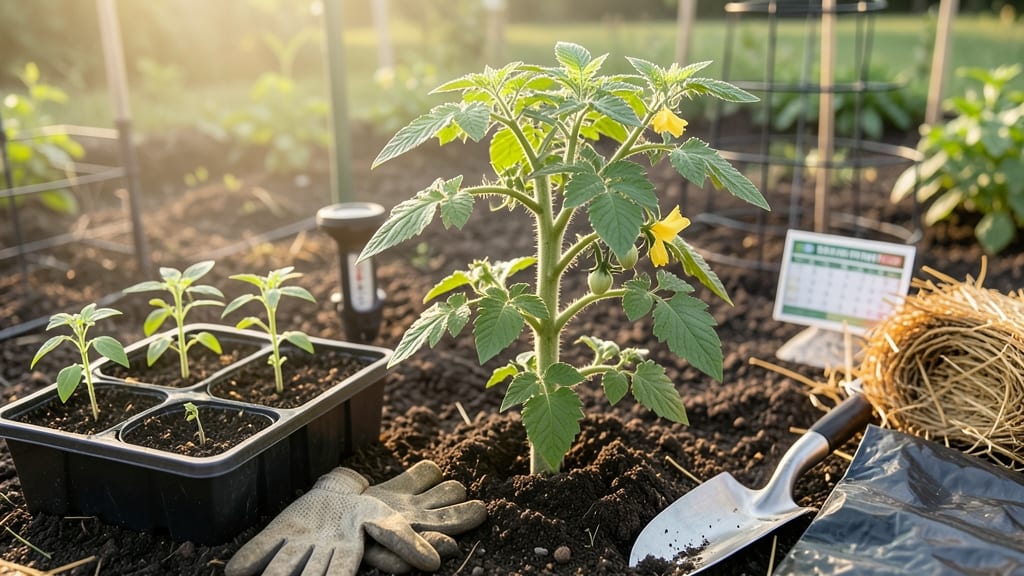
If you've ever stared at your tomato seeds wondering "when can you plant tomatoes in Michigan", you're not alone—getting the timing right is the difference between a bountiful harvest and a sad, frost-nipped 🍅 pile.
Michigan's unpredictable springs make this a tricky question, but here's the good news: with the right timing, you can stretch your growing season from July through September, even in zones 5b-6b.
The key is knowing your last frost date and adjusting for soil warmth—because tomatoes are divas when it comes to temperature.
I'll walk you through exactly when to plant (spoiler: it's not just "after April 15"), whether to start seeds indoors or buy transplants, and how to protect your plants from Michigan's infamous late frosts. Let's turn your garden into a tomato factory.
From southern Michigan's earlier starts to northern regions playing the waiting game, we'll cover all the regional nuances so you can finally stop guessing and start growing. Ready to turn those seeds into sun-ripened perfection?
Michigan tomato planting dates by USDA hardiness Zone (2024 guide)
Timing your tomato planting in Michigan means the difference between a bountiful harvest and wasted effort. Michigan spans USDA Zones 4-7, creating diverse frost-free windows that affect when you should plant.
Whether you're in southern Michigan's Zone 6b or northern Michigan's Zone 4b, knowing your exact last frost date and heat zone is critical for success.
Tomatoes thrive in warm soil (60°F+) and can't tolerate frost, so planting too early risks cold damage. Meanwhile, waiting too long may mean your late-season varieties don’t mature before Michigan’s first frost (mid-October).
Let’s break down the ideal planting windows by zone to help you plan your 2024 tomato garden like a pro.
If you're in Zone 4b, like in Traverse City or Marquette, aim to plant tomato seedlings around May 25 after verifying soil temperatures. Use heat-loving varieties like 'Early Girl' or 'Stupice', which tolerate cooler conditions better than heat-sensitive types.
Gardeners in Zone 6b, such as those in Detroit or Ann Arbor, have a longer window—planting as early as April 25 works if you use row covers or black plastic mulch to warm the soil faster.
This zone also allows for succession planting of late varieties like 'Brandywine' or 'Cherokee Purple' in early June.
For Zone 5a/5b (covering Grand Rapids and Lansing), your last frost date typically falls between April 25 and May 10. Plant tomato seedlings outdoors 2-3 weeks after that date, or around May 10-20.
This timing ensures your plants have 60-80 days of warm weather to mature before first frost in mid-October.
Pro tip: Always check your local microclimate. Areas near Lake Michigan may experience later frosts due to lake-effect cooling, while inland regions like Flint often warm up faster. Use a soil thermometer to confirm your soil is 60°F+ before planting—this is more reliable than guessing by date.
Don’t forget to account for heat zones too. Michigan’s summer temperatures can vary dramatically. Southern Michigan often sees 90°
How to adjust planting dates for early vs late varieties
Michigan's unpredictable spring weather makes choosing the right tomato varieties and planting times a game-changer. Heat-loving varieties like 'Celebrity' or 'Better Boy' need warm soil, while cold-tolerant options like 'Stupice' or 'Mountain Merit' handle cooler temps better.
Your USDA zone and last frost date determine which approach works best for your garden.
In southern Michigan (zones 6a-6b), you can plant heat-loving varieties as early as mid-April under row covers, but cold-tolerant types can go in the ground 2-3 weeks earlier without protection.
In northern Michigan (zones 4b-5a), wait until after Memorial Day for heat-lovers or plant cold-hardy varieties in late May for a reliable harvest.
Soil temperature is your best guide—aim for 60°F (15°C) for most tomatoes. Use a soil thermometer to check before planting. Black plastic mulch can warm soil 5-10°F faster, letting you plant 1-2 weeks earlier in cooler zones. For extended seasons, consider succession planting with cold-tolerant varieties in late summer.
Early Varieties (Cold-Tolerant)
- Plant 2-3 weeks earlier
- Survive light frosts (28°F)
- Better for short seasons
- Smaller fruit size
- Lower yield per plant
- Limited variety choices
Late Varieties (Heat-Loving)
- Larger fruit yield
- More variety options
- Better flavor in heat
- Need warmer soil (60°F+)
- Risk frost damage if planted too early
- Shorter harvest window
For Michigan's variable climate, I recommend planting both early and late varieties to spread out your harvest. Start cold-tolerant types in late April or early May (under protection if needed), then add heat-lovers 2-3 weeks later once soil warms.
This staggered approach ensures tomatoes from June through September, even if spring is slow to arrive.
If you're starting seeds indoors, begin cold-tolerant varieties in March and heat-lovers in April for transplanting after last frost. Use grow lights to prevent leggy seedlings.
For direct sowing, wait until soil is at least 55°F (13°C)—test with your hand: if it feels warm to the touch, it's ready.
Pro tip: Keep a planting journal to track which varieties thrive in your microclimate. Note soil temps, frost dates, and harvest windows each year. Over time, you'll refine your tomato planting strategy to match Michigan's ever-changing weather patterns.
With the right timing, you'll enjoy homegrown tomatoes from summer to early fall—no matter what Mother Nature throws your way! 🌱