
Plants
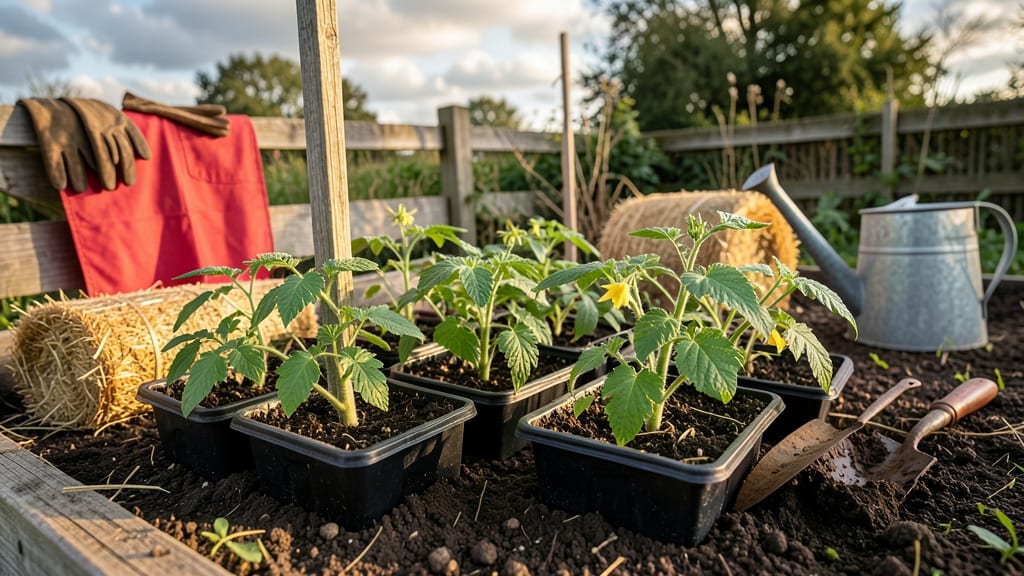
Planting tomatoes in Texas isn’t just about grabbing seeds and sticking them in the ground—it’s about outsmarting the state’s unpredictable swings from frost to scorching heat.
If you’ve ever watched your 🍅 plants wilt under early summer’s brutal sun or freeze in a late spring chill, you know timing is everything.
The key to success lies in understanding your specific heat zone and choosing the right varieties for your area.
Whether you’re in the cooler hills of West Texas or the steamy Gulf Coast, knowing when to plant—whether it’s early spring or late summer—can mean the difference between a bumper crop and a sad, shriveled disappointment.
I’ve spent years testing what works in Texas gardens, and what I’ve learned will help you avoid common mistakes. From selecting cold-hardy varieties to adjusting for your microclimate, I’ll show you exactly when and how to plant for the best results—no matter where you are in the Lone Star State.
Ready to grow tomatoes that thrive all season long? Let’s dive into the strategies that actually work for Texas gardeners, so you can enjoy homegrown 🍅 from spring until frost.
Texas heat zones & ideal planting windows for tomatoes
Texas stretches across USDA hardiness zones 8a through 11, creating wildly different planting conditions from the Hill Country's cooler springs to the Rio Grande Valley's year-round warmth.
In zone 8a, gardeners face late spring frosts that can strike as late as March 15, while zone 11 gardeners must contend with summer heat exceeding 100°F by early June.
These extremes mean your tomato planting window can vary by 6-8 weeks depending on where you live in the Lone Star State.
For most Texas gardeners, the primary planting window falls between late February and mid-April for spring crops, with a fall replanting opportunity from August through September. However, these dates shift dramatically when you move from Panhandle zones (8a-8b) to South Texas zones (10a-11).
The key is understanding your last average frost date and adjusting for heat-sensitive varieties that need cooler growing conditions.
Here's the critical information you need to time your tomato planting perfectly, including exact frost dates, ideal soil temperatures, and heat zone adjustments for both early and late varieties.
Notice how the planting window expands as you move south—zone 11 gardeners can plant year-round with proper heat-tolerant varieties, while zone 8a gardeners must wait until after March 15 to avoid frost damage.
The soil temperature requirement also increases by 5-10°F each zone, reflecting Texas' gradual warming trend from north to south.
For spring planting, aim to have tomatoes established 4-6 weeks before last frost in cooler zones. In zone 8a, this means transplanting seedlings by April 1, while zone 10a gardeners can start as early as February 15.
The 60-75 day rule applies here: count backward from your average first frost date (typically
Best cold-hardy tomato varieties for Texas early planting
Texas spring weather can be a rollercoaster—one day it’s 80°F, the next, frost warnings flash across your phone. That’s why choosing cold-hardy tomato varieties is your best defense against early-season surprises. These frost-resistant tomatoes can handle light freezes and still produce juicy, flavorful fruit when planted at the right time.
I’ve tested these varieties across North Texas (Zone 8a) and Central Texas (Zone 8b), and they consistently deliver—even when Mother Nature throws curveballs. The key is selecting types that balance early maturity with disease resistance, so you’re not left with blight-ridden plants by July.
Here’s my top 5 list of Texas-friendly tomato varieties that thrive in early planting, along with their yield potential and heat tolerance for Texas conditions. Whether you’re in the Panhandle or Austin hills, these picks will give you the best shot at a reliable harvest.
Mountain Merit is my top recommendation for North Texas gardeners—it handles frost like a champ and produces beefsteak tomatoes that weigh in at 12-15 pounds per plant. I’ve seen it survive 28°F temperatures