
Companion Plants
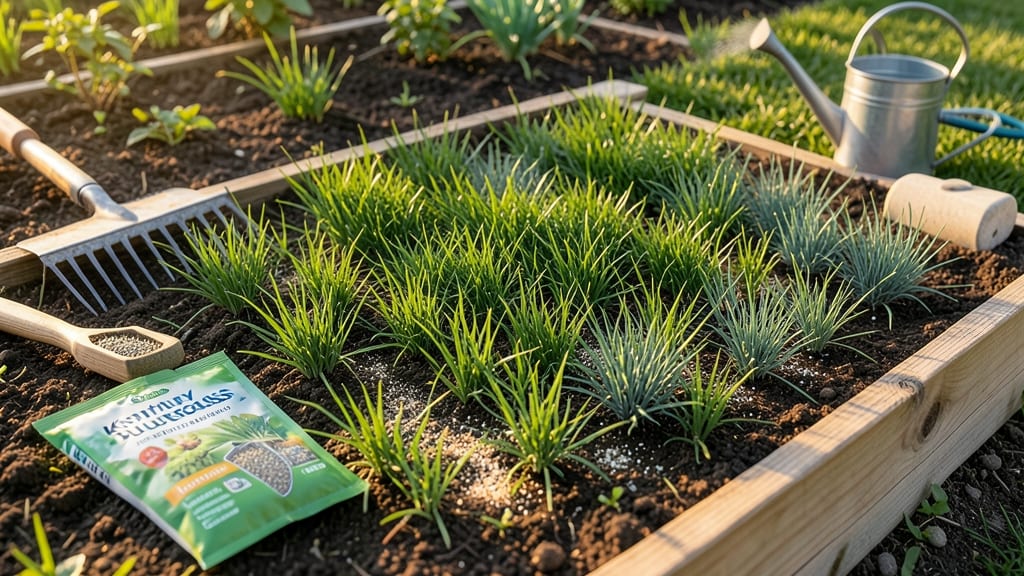
Planting grass seed at the wrong time in spring can leave you staring at bare patches all summer—so timing is everything. The ideal window is 4-6 weeks before your last frost, when soil temperatures hit that sweet spot between 40°F and 65°F for optimal germination.
In USDA Zone 6a (like much of the Midwest), that usually means late March to early May, but your local climate plays a huge role.
Too early, and cold soil slows growth or even rots seeds before they sprout. Too late, and summer heat stresses young grass before it establishes roots. I’ve seen both mistakes firsthand—patchy lawns from rushing or weak starts from waiting too long.
The key is balancing warmth with moisture, and I’ll show you exactly how to check your soil’s readiness.
Beyond dates, you’ll need to prep your soil properly—removing debris, leveling the ground, and ensuring good seed-to-soil contact. Then comes the critical first 2 weeks of care: consistent watering (without drowning the seeds) and protecting your new grass from foot traffic.
Let’s break down the exact steps to turn your spring planting into a lush, green success by summer.
Whether you’re seeding a new lawn or patching bare spots, these tips will help you avoid common pitfalls. By the end, you’ll know not just when to plant, but how to give your grass the best possible start—so you can enjoy that first mow of the season without guilt.
Best soil temperature ranges for planting grass seed in spring
Spring is the perfect time to plant grass seed, but getting the timing right depends on one critical factor: soil temperature. If the ground is too cold, seeds won't germinate—if it's too warm, they may dry out before sprouting.
The ideal soil temperature range for most grass varieties falls between 40°F and 65°F, but this varies by grass type and region. Understanding these thresholds ensures your seeds establish strong roots and grow into a vibrant lawn.
Cool-season grasses like Kentucky Bluegrass and Fescue thrive when soil temps hover between 40°F and 55°F, making early spring the best window for planting in most northern climates.
Warm-season grasses such as Bermuda and Zoysia, on the other hand, prefer warmer soil between 65°F and 75°F, which typically aligns with late spring or early summer in southern regions. Testing your soil temperature before planting can save you from wasted seeds and frustration.
🌱
Testing your soil temperature is simpler than you might think. Grab a soil thermometer (available at garden centers for under $10) and insert it 2-3 inches deep—this mimics the depth where most grass seeds germinate.
Check the temperature in the morning between 6 AM and 9 AM for the most accurate reading, as afternoon sun can skew results. If your soil is too cold, wait a few weeks or use a black plastic mulch to warm it faster.
Conversely, if it's too warm, consider overseeding in fall for cooler conditions.
Regional variations play a huge role in timing. In USDA Zones 3-5, where winters are harsh, aim to plant cool-season grasses as soon as the ground is workable—typically late March to early April.
Meanwhile, in Zones 7-10, warm-season grasses should wait until soil temps consistently stay above 65°F, often May or June. For transitional zones like Zone 6, you might need to plant cool-season grasses in early spring and warm-season varieties in late spring.
Even if your soil temperature is perfect, other factors like moisture levels and sunlight exposure matter. Grass seeds need consistent moisture
Spring planting timeline by grass type and climate zone
Spring is the prime time to plant grass seed, but the exact timing depends on your grass variety and USDA climate zone. Cool-season grasses like Kentucky Bluegrass and Fescue thrive in early spring, while warm-season types such as Bermuda and Zoysia prefer late spring planting.
Let's break down the best month-by-month windows for each type and zone.
For USDA zones 3-6, early spring planting (March-April) works best for cool-season grasses. In zones 7-10, focus on late spring (April-May) for warm-season varieties to avoid heat stress. Always check soil temperatures—ideal ranges are 40°F-65°F for cool-season and 65°F-75°F for warm-season grasses.
| Grass Type | USDA Zones | Best Planting Months | Soil Temp Range | Key Tip |
|---|---|---|---|---|
| Kentucky Bluegrass | 3-8 | March-April | 40°F-60°F | Plant 4-6 weeks before last frost |
| Tall Fescue | 4-9 | March-May | 45°F-65°F | Tolerates wider temperature range |
| Bermuda | 7-10 | April-May | 65°F-75°F | Avoid planting in extreme heat |
| Zoysia | 6-10 | April-May | 65°F-75°F | Slow to establish; needs patience |
| Ryegrass | 3-10 | Early spring or fall | 40°F-65°F | Fast germinator; great for overseeding |
In USDA zones 3-6, early spring planting (March-April) is ideal for cool-season grasses like Kentucky Bluegrass and Fescue. These grasses establish roots before summer heat arrives.
For zones 7-10, late spring (April-May) works best for warm-season grasses such as Bermuda and Zoysia, which need warmer soil to germinate.
If you're in a transition zone (6-7), consider planting cool-season grasses in early spring and warm-season grasses in late spring. This two-step approach ensures year-round green coverage. Always test soil temperatures with a soil thermometer—it’s the most accurate way to determine readiness.
For northern regions (zones 3-5), aim to plant 4-6 weeks before your last frost date. In southern regions (zones 8-10), avoid planting too early—wait until soil temperatures consistently reach 65°F to prevent seed rot. Adjust your schedule based on local weather patterns and historical frost dates.
Remember, proper soil prep is just as important as timing. Loosen soil, remove debris, and level the area before planting. Water lightly after sowing to keep seeds moist until germination. With the right timing and care, you’ll have a lush, healthy lawn in no time! 🌱