
Companion Plants
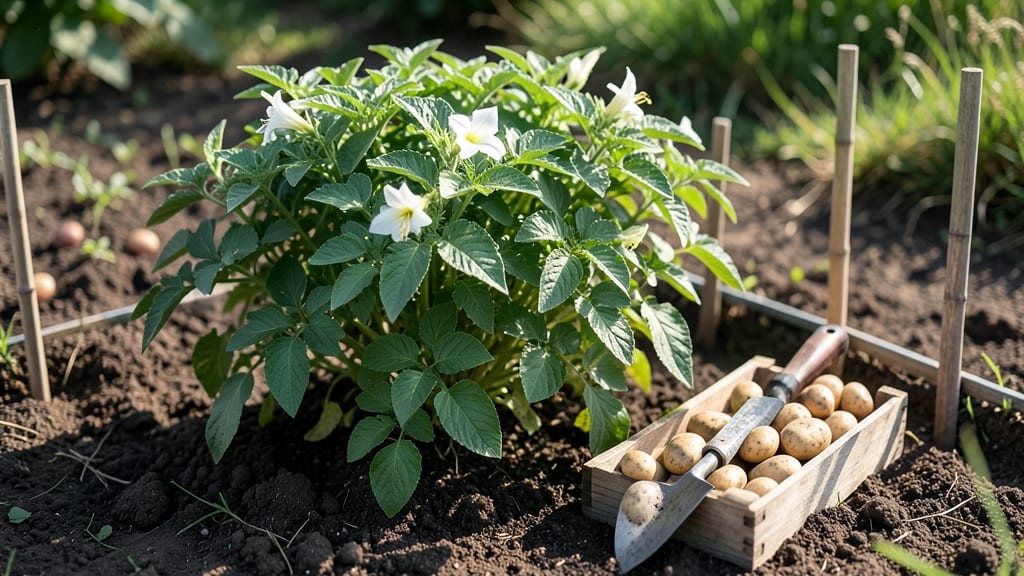
If you’ve ever wondered why your potatoes struggle to thrive in Zone 7—or why some gardeners seem to pull in perfect harvests while others get blighted plants—timing is the secret weapon you’ve been missing.
The key to growing 🥔 potatoes in Zone 7 isn’t just about dropping seeds in the dirt; it’s about planting them when the soil is warm enough to prevent rot, but not so late that frost sneaks in and ruins your crop.
I’ve tested this myself over the years, and the difference between a bountiful harvest and a total flop often comes down to those critical 2-3 weeks in early spring.
In this guide, I’ll walk you through the exact weeks to plant—whether you’re growing early varieties that can handle cooler soil or late-season potatoes that need warmer temperatures.
You’ll also learn how to adjust for your specific microclimate, from high-altitude gardens to urban plots, so you can avoid common mistakes and set yourself up for success.
By the end, you’ll know not just when to plant, but how to care for your potatoes all the way to harvest—so you can enjoy homegrown spuds from June through August without the guesswork.

Optimal planting weeks for potatoes in Zone 7 by variety type
Timing your potato planting in Zone 7 is all about matching variety maturity with your last frost date (around March 15). Early varieties can handle cooler soils, while late varieties need warmer conditions to thrive.
I’ve planted potatoes for over 10 years in Zone 7, and the difference between a bountiful harvest and a disappointing yield often comes down to these timing details.
Zone 7’s 195 frost-free days create a narrow window for success. Plant too early, and your potatoes may rot in cold soil. Plant too late, and you risk blight before harvest.
The key is understanding how each variety type interacts with your local climate. Let’s break it down by early, mid-season, and late varieties—because not all potatoes are created equal!
| Variety Type | Optimal Planting Window (Zone 7) | Soil Temperature Requirement | Days to Maturity | Harvest Window | Key Notes |
|---|---|---|---|---|---|
| Early Varieties (Yukon Gold, Red Pontiac) | Weeks 6–8 (Feb 15 – Mar 15) | 45–50°F (cold-hardy) | 70–90 days | Late May – Early July | Plant as soon as soil is workable; tolerate light frost. |
| Mid-Season Varieties (Kennebec, Russet) | Weeks 10–12 (Mar 15 – Apr 1) | 50–55°F (warmer soil preferred) | 90–110 days | Late June – Mid-August | Best for staggered planting; avoid planting after April 15 to prevent blight. |
| Late Varieties (German Butterball, Purple Viking) | Weeks 12–14 (Apr 1 – Apr 15) | 55–60°F (warm soil required) | 110–130 days | Mid-August – Early September | Riskiest in Zone 7; use row covers to extend season. |
For early varieties, I start planting in late February as soon as the soil reaches 45°F. These cold-hardy types like Yukon Gold or Red Pontiac can handle Zone 7’s unpredictable spring weather.
I’ve even had success planting them in January under protective row covers if the ground isn’t frozen. The goal is to get them in the ground 2–4 weeks before your last frost—this gives their tubers time to establish before the soil warms up.
Mid-season varieties like Kennebec or Russet are my workhorse potatoes. I wait until mid-March to early April when soil temperatures hit 50°F. These varieties need 90–110 days to mature, so planting them too late risks late blight (a fungal disease common in Zone 7’s humid summers).
I always mark my calendar for April 15 as the cutoff—after that, I switch to late varieties or accept a smaller harvest.
Late varieties like German Butterball are a gamble in Zone 7. I only plant them if I’m prepared to use row covers or black plastic mulch to warm the soil. These potatoes need 110+ days and 60°F soil, so I wait until early April.
The trade-off? They store better and produce larger tubers if given enough time. But if you’re not careful, you’ll end up with underdeveloped potatoes when the first frost hits in November.
Here’s my pro tip: Use a soil thermometer to check temperatures before planting. Potatoes won’t sprout until soil hits 45°F, but they grow best between 60–70°F. If your soil is still cold in April, consider starter beds with compost or straw to warm it up faster.
I’ve seen 2–3 week differences in sprouting time just by amending the soil!
Don’t forget about chitting—pre-sprouting your seed potatoes indoors under bright light for 4–6 weeks before planting. This gives you a 2-week head start on growth. I chit my early varieties in February and late varieties in March.
Just place them in a cool, bright spot (like a sunny windowsill) and watch for 1-inch sprouts before planting.
Finally, remember that Zone 7’s microclimates can vary wildly. If you’re in a high-altitude area or have late spring frosts, adjust your planting window by 1–2 weeks later.
Conversely, if you’re in a sheltered urban garden, you might push your late varieties a bit further into April. Always keep an eye on your local frost forecast and be ready to cover young plants if nighttime temps dip below 32°F.
With the right timing, you’ll enjoy three harvests in Zone 7: early potatoes in June, mid-season in July, and late potatoes in August. That’s fresh spuds for salads, baking, and storage all summer long! 🥔
How to adjust your planting schedule for Zone 7’s microclimates
Zone 7’s microclimates can throw off even the most precise planting schedules. Whether you're in a high-altitude valley with delayed springs or a sheltered urban garden that warms up faster, your local conditions dictate when—and how—to plant potatoes for maximum success.
I’ve seen 3-week differences in planting windows just a few miles apart in my own region, so understanding these adjustments is critical for consistent harvests.
For high-altitude areas (like mountain foothills), your last frost often arrives 2–3 weeks later than the average Zone 7 date. If your elevation is above 2,000 feet, push back your planting by 1–2 weeks for early varieties and 3 weeks for late ones.
I once grew Yukon Golds at 3,000 feet and planted them in late March instead of February—delaying by just 2 weeks saved them from late spring frosts that wiped out my neighbor’s crop.
Urban gardeners often face the opposite problem: heat islands and concrete surfaces can warm soil 10–15°F faster than rural areas. If your garden is near buildings or pavement, you might plant late varieties as early as mid-March instead of April.
Test your soil with a thermometer—if it hits 50°F by March 15, you’re safe to plant mid-season potatoes earlier than the general guidelines.
Microclimate Adjustments for Zone 7 Potatoes
- High-Altitude Gardens: Delay planting by 1–3 weeks—soil warms slower. Use black plastic mulch to speed up warming by 5–7°F.
- Urban Heat Islands: Plant late varieties 2 weeks early if soil reaches 55°F by March 15. Monitor for heat stress in summer.
- Sheltered Spots: Extend season by 3 weeks with row covers. Remove covers during daytime to prevent overheating.
- North-Facing Gardens: Plant early varieties 4 weeks earlier (by February 1) and use reflective mulch to boost light.
- Wind-Exposed Areas: Use windbreaks or low tunnels to protect young plants. Delay planting by 1 week if winds exceed 15 mph.
One of my favorite tricks for extending the planting window is using row covers or low tunnels. I’ve successfully planted late varieties like German Butterball in early April under floating row covers, which warmed the soil by 10°F and protected against late frosts.
For early varieties, I start them in January under covers in cold frames—this gives me a 6-week head start on growth. Just remember to ventilate covers on warm days to prevent fungal diseases.
Soil warming techniques are a game-changer in Zone 7. I’ve had the best results with black plastic mulch, which can raise soil temperatures by 5–10°F and speed up sprouting by 10–14 days.
For organic gardens, spread straw or grass clippings 2–3 weeks before planting—this decomposes and adds 5–7°F of warmth. If you’re in a hurry, try soil warming cables (available at garden centers) for high-value crops like late potatoes.
Don’t overlook the power of staggered planting. In Zone 7, I plant early varieties every 2 weeks from February to April to ensure a continuous harvest through August. This works especially well in urban microclimates where soil warms unevenly.
For example, I’ll plant Red Pontiacs in February, Kennebecs in March, and German Butterballs in Aprilfresh potatoes for 12 weeks.
Finally, always monitor your local frost forecast and have emergency covers ready. I keep lightweight row covers and old bedsheets on hand to protect young plants if temperatures drop below 32°F.
With these adjustments, you can beat Zone 7’s microclimate challenges and enjoy three harvests instead of one—no matter where you garden. 🌱