
Companion Plants
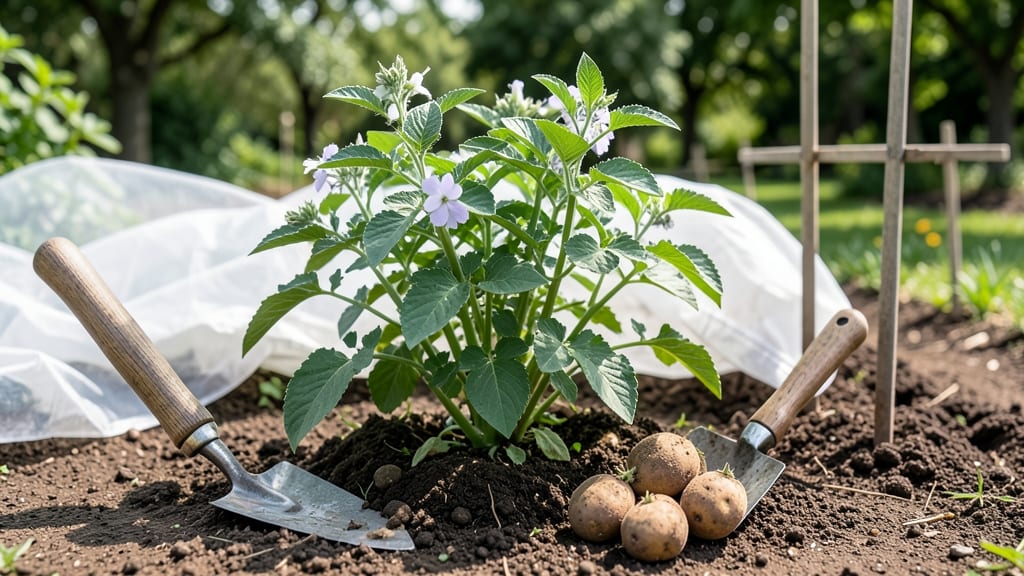
Planting potatoes in Zone 6 at the wrong time can turn your 🥔 dreams into a frost-killed mess—so getting those dates right is everything. The difference between a bumper harvest and wasted effort often comes down to knowing when the soil is warm enough and the frost risk is low.
In Zone 6 (6a-6b), your best window starts 2-4 weeks before your last frost date, which typically lands in early April. But here’s the catch: you can also cheat the system by starting seed potatoes indoors in late winter for an earlier harvest.
Timing isn’t just about the calendar—it’s about soil temperature and variety type.
I’ll break down the exact weeks to plant for early, mid-season, and late varieties, plus how to adjust if your spring is unusually cold or wet. No more guessing—just proven strategies to ensure your potatoes thrive from seed to harvest.
Ready to turn your garden into a potato powerhouse? Let’s get those spuds in the ground at the perfect moment for your Zone 6 climate.

Zone 6 potato planting calendar: exact weeks by variety type
Getting your potato planting timed right in Zone 6 means avoiding frost damage while maximizing your harvest. With last frost dates typically landing between mid-April and early May, your window for planting early, mid-season, and late varieties is tight.
The key is matching each variety’s days to maturity with your local frost-free period to ensure tubers develop fully before cold snaps hit in October.
I’ve broken down the exact weeks to plant each type, including soil temperature thresholds and frost risk factors. For Zone 6 gardeners, this means starting as early as late February for cold-hardy varieties or waiting until April for heat-loving types.
Let’s dive into the calendar that’ll help you plan like a pro.
📅 Pro Tip: Always check your local frost dates—they can shift by 1-2 weeks year to year. Use the USDA Plant Hardiness Zone Map for your specific location in Zone 6 (6a vs. 6b).
For early varieties, I recommend planting Yukon Gold or Red Norland in late February to early March if you’re using a cold frame or row cover. These 70-90 day potatoes can be harvested by late June, avoiding the worst of summer pests and diseases.
The trick is to chit your seed potatoes (sprout them indoors) 4-6 weeks before planting to give them a head start.
Mid-season varieties like Kennebec or Russet need that 50°F soil to thrive, so I wait until early April when the ground is workable. These 90-110 day potatoes are perfect for July harvests, but watch for late spring frosts—they can still damage emerging foliage.
A frost cloth is my go-to for protecting young plants.
If you love late-season harvests, varieties like German Butterball or Purple Viking are worth the wait. Plant these in mid-April to early June once the soil hits 55°F.
They’ll need the full summer to mature, so I always plant them in well-draining soil with plenty of organic matter to support their long growing season.
⚠️ Critical: Never plant potatoes in cold, wet soil—it slows germination and invites rot. Test your soil with a thermometer to confirm it’s at least 45°F before planting. In Zone 6b, where summers are hotter, I often plant late varieties in June to avoid
How to adjust planting dates for early vs. late harvests in Zone 6
Zone 6 gardeners know that the last frost date isn’t the only factor—your microclimate and harvest goals matter just as much. If you want early potatoes for Memorial Day meals, you’ll need to start indoors or use cold-hardy varieties.
For a late-season harvest, succession planting and row covers can push your harvest into fall.
Adjusting your planting dates isn’t just about shifting weeks—it’s about understanding soil temps and protecting young plants. Early varieties like Yukon Gold can handle cooler soils, while late varieties like Russet need warmer conditions to thrive. Let’s break down how to tweak your schedule for both scenarios.
Start Indoors for Early Harvests
Plant seed potatoes in containers indoors 8-10 weeks before last frost (late January-early February in Zone 6). Use grow lights for 12+ hours/day to encourage sprouting.
Use Row Covers for Extended Seasons
Add floating row covers to protect plants after last frost (even if soil isn’t fully warm). This lets you plant 2-3 weeks earlier without frost risk.
Plant Succession Crops for Late Harvests
After harvesting early varieties, replant fast-maturing types (like Red Pontiac) every 2-3 weeks until mid-July for continuous harvests.
Choose Cold-Tolerant Varieties
For early planting, opt for cold-hardy varieties like Kennebec or Adirondack Red, which tolerate 40°F soil temps better than others.
If your spring is unusually cold, wait until soil reaches 45°F (7°C)—even if it’s later than usual. Use a soil thermometer to avoid planting too early and risking frost damage. For late harvests, focus on shorter-day varieties that mature faster in cooler fall temps.
Don’t forget to harden off indoor-started potatoes before transplanting. Gradually expose them to outdoor conditions over 7-10 days to prevent shock. This small step can mean the difference between thriving plants and wilted failures.
By adjusting your planting dates with these strategies, you’ll extend your harvest window and enjoy fresh potatoes from late spring to early fall—no matter what Zone 6 throws your way. Happy digging! 🥔