
Plants
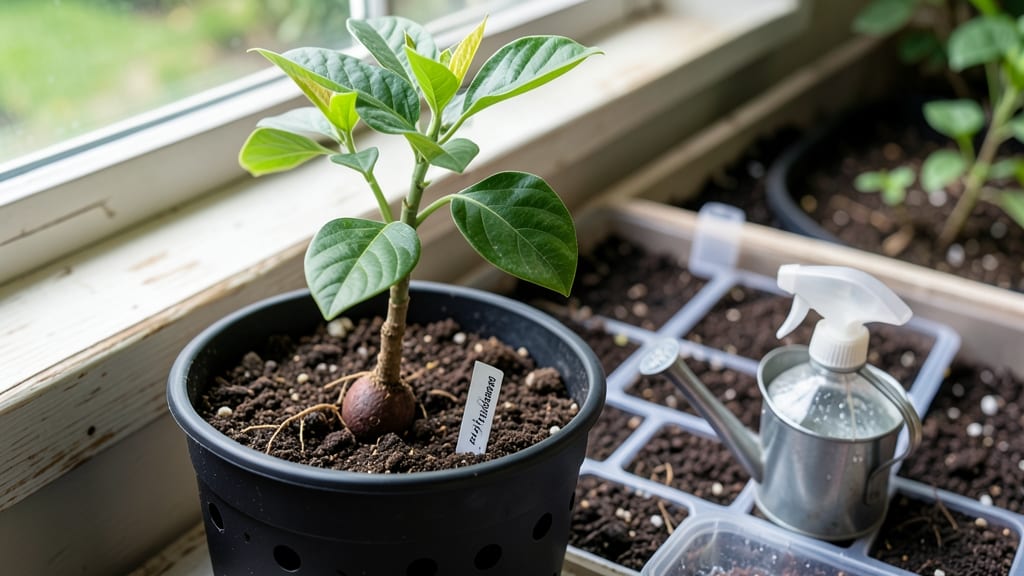
Planting your avocado seed in soil at the wrong time could mean the difference between a thriving 🥑 tree and a sad, stunted seedling. Unlike many plants, avocados demand precision—whether you're starting indoors or outdoors in Zone 6—because their delicate roots need just the right conditions to take hold.
Most gardeners make the mistake of rushing the process, but timing is everything. If you plant too early, frost can kill your young seedling before it even gets a chance to grow. Conversely, waiting too long might stunt its development, especially if you're aiming for that 3-year harvest window.
The key is understanding when soil temperatures are ideal and how indoor vs. outdoor planting changes the game.
Here's what you need to know: indoors, you can start planting your avocado seed in soil as early as March, once roots are strong enough to handle transplantation. But outdoors? That timeline shifts dramatically based on your last frost date—typically after April 15 in Zone 6.
I'll walk you through the exact steps to ensure your seedling transitions smoothly from water to soil, whether you're nurturing it on a windowsill or preparing a sunny garden bed.
Ready to avoid common pitfalls like overwatering or poor drainage? Let's dive into the best planting strategies tailored to your climate, so you can give your avocado tree the strong start it deserves.
Best indoor planting time for avocado seeds: when to start soil growth
Starting an avocado seed in water is just the first step—knowing when to transition it to soil is what determines whether your seedling thrives or struggles. Most avocado seeds take 3 to 9 months to develop the root system and stem strength needed for soil planting.
The key is watching for specific growth milestones rather than following a rigid timeline. Indoor growing conditions, like consistent temperatures (65-85°F) and bright light, accelerate this process, so your seedling may be ready sooner than expected.
Before planting in soil, your avocado seedling should have a root system at least 2-3 inches long and a stem thicker than a pencil (about 0.5 inches in diameter). These signs indicate the seedling has stored enough energy to support growth in a drier medium.
Additionally, look for 2-4 mature leaves that are dark green and glossy—this means the seedling has developed enough chlorophyll to sustain photosynthesis outside water.
Timing your soil transition correctly reduces transplant shock, a common issue with avocado seedlings. If you move too early, the delicate roots may rot in soil. Waiting too long risks stunted growth or failure to adapt.
The ideal indoor planting window is typically between late winter and early spring (February-March in most climates), but this depends on your seedling’s progress, not the calendar.
Step-by-Step: When to Plant Avocado Seed in Soil
- Check root length (2-3 inches) and stem thickness (0.5+ inches).
- Ensure 2-4 mature leaves are dark green and glossy.
- Prepare a well-draining soil mix (50% potting soil, 50% perlite/sand).
- Plant the seedling 1 inch deep in soil, leaving the stem above the surface.
- Water lightly to settle soil, then reduce watering to avoid soggy roots.
- Place in bright, indirect light (south-facing window) for 1-2 weeks.
⚠️ Pro Tip: If roots circle the water glass, gently tease them apart before planting to encourage outward growth.
After planting, your avocado seedling will need adjustment time to adapt to soil. Expect some leaf drop or wilting—this is normal as the plant transitions. To minimize stress, keep the soil moist but not waterlogged and maintain temperatures between 65-85°F.
A humidity tray (pebble tray with water) can help during the first 2 weeks while roots establish.
One common mistake is assuming a seedling is ready for soil just because it’s sprouted leaves. Root health is the true indicator of readiness. If roots are sparse or mushy, wait another 2-4 weeks before transplanting. Patience here prevents root rot and ensures a stronger start.
I’ve seen seedlings with long roots but thin stems fail in soil, while others with shorter roots but thicker stems thrive—stem thickness matters more than root length alone.
If your seedling meets the readiness criteria but it’s winter, don’t rush to plant. Avocado seedlings prefer warmth and grow poorly in cool conditions. Instead, use a grow light to supplement natural light and keep temperatures above 60°F until spring.
This gives your seedling a head start before outdoor planting season begins.
Once your avocado seedling is in soil, focus on gradual hardening if you plan to move it outdoors later. Start by placing it near a south-facing window for a few hours daily, then increase exposure over 1-2 weeks.
This mimics natural conditions and reduces transplant shock when you eventually move it to a garden or pot outdoors.
Remember, avocado trees are slow growers—even with perfect timing, it takes 3-13 years for a seed-grown tree to bear fruit. But getting the soil transition right in the first year sets the foundation for a healthy, productive tree.
Celebrate small wins, like the first set of true leaves in soil, as milestones on this long-term journey.
🌱
Outdoor planting timeline for avocado seeds: climate zones and frost risks
Moving your avocado seedling outdoors is a critical step—but the timing depends entirely on your USDA hardiness zone and local frost risks. Unlike tropical plants that thrive year-round in warm climates, avocado seedlings in Zone 7 and below face serious frost damage if planted too early.
Even a light frost can kill young plants, so knowing your last frost date is non-negotiable. For example, in Zone 6, seedlings should wait until after April 15 when nighttime temperatures consistently stay above 50°F.
In warmer zones like Zone 9-11, avocado seedlings can often be transplanted outdoors year-round, but spring or fall remain ideal to avoid extreme heat stress.
The key is soil temperature—avocado roots need at least 60°F soil to establish properly. Use a soil thermometer to check before planting, especially in cooler climates.
If you live in Zone 6 or colder, container growing is your best bet—avocado trees simply can’t survive winter frosts outdoors. Use a large pot (15+ gallons) with drainage holes and move it indoors when temperatures drop below 40°F.
Place near a south-facing window or under grow lights to maintain growth during winter months.
For gardeners in Zone 7-8, hardening your seedling is crucial before outdoor planting. Start by placing it outside for 2-3 hours daily in a sheltered spot, gradually increasing exposure over 10-14 days.
This helps the plant adjust to wind, sunlight, and temperature fluctuations. Always choose a south-facing location with protection from afternoon sun, which can scorch tender new leaves.
One common mistake is assuming avocado seedlings can handle frost like other tropical plants. Even a single night below 32°F can kill your seedling, so monitor weather forecasts closely. If frost is predicted, cover young plants with frost cloth or move containers to a garage or basement.
In extreme cases, consider using a space heater (safely placed!) to create a microclimate around potted seedlings.
Remember, avocado trees are slow to mature—proper outdoor planting timing now ensures your tree reaches fruiting age (3-13 years) with minimal setbacks. Whether you're in a frost-free zone or a cooler climate, prioritizing soil warmth and frost protection will give your seedling the best chance to thrive outdoors.
🌿