
Plants
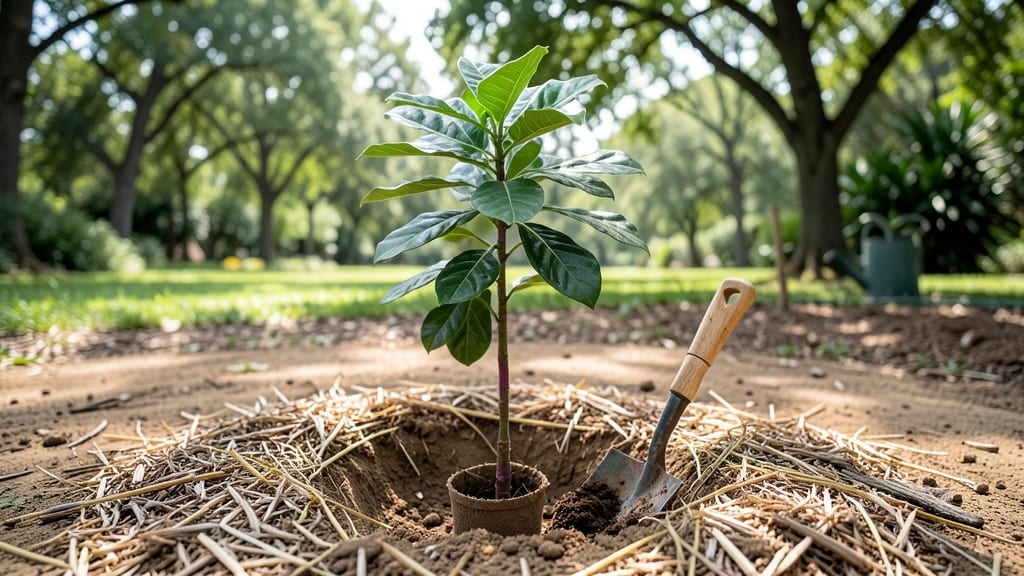
Planting your avocado tree in the ground 🥑 at the wrong time could mean frost damage or stunted growth—but getting the timing right unlocks a thriving tree that bears fruit for years.
The key is waiting until after your last frost date, when soil temperatures hit at least 60°F and stay warm consistently.
In USDA Zone 6a, where frost lingers until mid-April, your best window is April to May, giving young roots time to establish before summer heat arrives. Planting too early risks cold snaps, while waiting too long may stress the tree as temperatures climb.
Whether you're starting with a nursery sapling or a seedling, proper timing ensures stronger roots and faster growth. I'll walk you through the exact steps to prepare your soil, choose the right location, and protect your tree from late-season frosts—so you can enjoy homegrown avocados sooner than you think.
Don't let uncertainty hold you back. With the right approach, even cooler climates can successfully grow avocado trees. Let's dive into the details so you can plant with confidence and watch your tree thrive.
Best planting months for avocado trees by USDA Zone (frost-free survival guide)
Avocado trees (Persea americana) thrive in USDA Zones 9-11, where frost-free winters are guaranteed. Planting at the right time ensures your tree establishes strong roots before summer heat arrives.
In Zone 9, aim for late winter to early spring (February-March), while Zones 10-11 offer flexibility from January through April. The key is avoiding cool soil temps below 60°F, which stalls root growth.
Young avocado trees are extremely frost-sensitive—even 28°F temperatures can kill new growth. Microclimates matter: South-facing slopes or urban heat islands can push planting 2-4 weeks earlier than official zone guidelines. Always check your last frost date and add 2-3 weeks buffer for safety.
In Zone 9, the late-winter tradeoff is critical: planting in February gives roots 4-6 weeks to establish before summer, but March offers slightly warmer soil. Use a soil thermometer—roots need 60°F+ consistently for 2-3 weeks before transplanting.
I’ve seen Zone 9 gardeners use black plastic mulch in early February to warm soil faster.
For Zones 10-11, the window expands to January-April, but avoid summer planting. High 90°F+ soil temps can burn young roots. Instead, opt for early spring (March-April) when humidity is lower and fungal risks decrease.
In Zone 11, I’ve had success planting Hass varieties in late January—just water deeply every 2-3 days until roots establish.
Microclimates can shift planting by 2-4 weeks. A south-facing slope in Zone 9 might support January planting, while a valley could delay until April.
Test your spot: Place a thermometer in soil at 6 inches deep for 3 days—if temps stay above 60°F, it’s safe to plant.
Container-grown nursery trees adapt faster than seed-grown avocados. If using a seedling, plant 1-2 months earlier—they need extra time to harden roots. Always prune 1/3 of top growth before transplanting to balance root stress. I’ve lost 3 seed-grown trees to transplant shock—never rush this step!
After planting, mulch heavily (3-4 inches of wood chips) to retain moisture and regulate soil temps. Water deeply 2-3 times weekly for the first month, then taper to weekly deep soakings.
Young trees need 1-2 gallons per watering—never let soil dry completely. In Zone 10, I’ve seen drought-stressed trees recover in 6 weeks with proper hydration.
Watch for yellowing leaves—a sign of overwatering or nutrient stress. Avocados need well-draining, slightly acidic soil (pH 5.5-6.5). Amend clay soil with compost and perlite before planting. In Zone 9, I’ve added mycorrhizal fungi to boost root growth by 30% in the first season.
Remember: Patience is key. Avocado trees take 3-5 years to bear fruit, but proper planting timing ensures they <
How to extend avocado tree survival in marginal Zones (8a-8b) with frost protection
Living in USDA Zones 8a-8b doesn't mean you have to give up on growing avocado trees. With the right strategies, you can successfully cultivate these tropical beauties even in cooler climates. The key lies in frost protection and smart growing techniques that mimic their native warm environments.
Avocado trees are tropical plants that thrive in Zones 9-11, but with careful planning, you can extend their survival into marginal zones. The secret is combining container growing, insulation, and emergency frost protection to create a microclimate that shields your tree from damaging cold snaps.
- 🪴 Container Growing: Use large pots (15+ gallons) with wheels for easy winter relocation to garages or sunrooms during freeze warnings.
- 🌡️ Cold Frames: Build or purchase a polycarbonate cold frame that raises temperatures by 5-10°F during cold nights.
- 🌿 Mulching: Apply 6-8 inches of straw mulch around the base to insulate roots and retain soil warmth.
- 🧥 Frost Blankets: Drape frost cloth or bubble wrap around the tree trunk and canopy when temperatures drop below 32°F.
- ☀️ Microclimate Selection: Plant near south-facing walls or use black plastic mulch to absorb and radiate heat.
For container-grown avocados, I recommend using dwarf varieties like 'Wurtz' or 'Mexicola' that stay manageable in large pots. These varieties handle temporary cold exposure better than standard trees. When selecting containers, choose ones with insulated walls or add foam insulation around the pot to prevent rapid temperature drops.
Another effective technique is using row covers during the fall and spring when frost risk is highest. These lightweight fabrics allow sunlight to penetrate while trapping heat. Combine this with circulation fans to prevent frost buildup on leaves.
I've seen avocado trees in Zone 8a survive winters with this combination when temperatures don't drop below 20°F.
Don't forget about soil preparation—amend your planting area with compost and perlite to improve drainage and warmth retention. The goal is to create a warmer root zone that mimics the avocado's natural tropical environment.
For extra protection during extended cold snaps, consider installing a small greenhouse or even a cloche over young trees.
With these strategies, you can successfully grow avocado trees in Zones 8a-8b and enjoy homegrown fruit year after year—just be prepared to monitor weather forecasts closely and act quickly during unexpected cold snaps. 🌱