
Plants
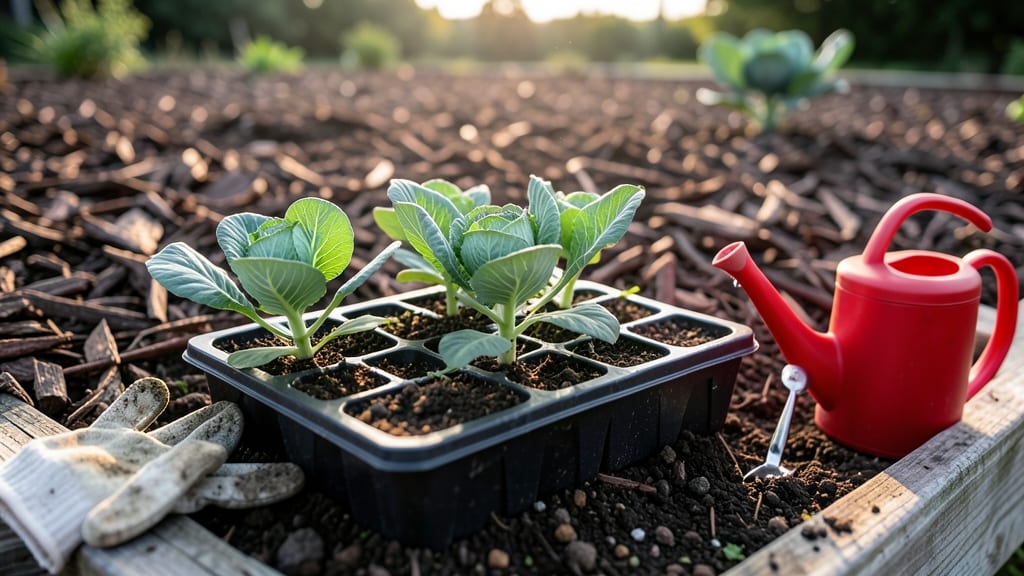
Planting cabbage in Georgia at the wrong time can turn your garden into a bitter disappointment—literally. The key to sweet, crisp heads lies in understanding your exact heat zone and working with Georgia’s unpredictable spring and fall weather patterns.
Most gardeners in 7b-8b zones know timing is everything, but did you realize that even a 2-week miscalculation can trigger bolting or stunted growth? Whether you're a seasoned gardener or just starting with 🥬, mastering the frost-free window is the secret weapon for a successful harvest.
In this guide, I’ll break down the exact planting windows for both spring and fall crops, including how to adjust for Georgia’s warm winters and scorching summers. You’ll discover which varieties thrive in your zone and how to avoid common mistakes that waste your effort.
Ready to grow cabbage that’s as rewarding as it is delicious? Let’s dive into the frost-free timeline that will transform your garden from guesswork to guaranteed success.
Georgia cabbage planting calendar by heat Zone (6b-8a)
Cabbage thrives in Georgia’s mild winters and long growing season, but timing is critical to avoid bitter flavors or stunted growth. The state’s USDA zones 6b to 8a experience varying frost dates, so planting windows shift from north to south. In Zone 6b, you’ll have a shorter frost-free season compared to Zone 8a, where summers can push cabbage into bolting if planted too early.
For spring planting, focus on February to March in cooler zones (6b-7a) and March to early April in warmer zones (7b-8a). Fall planting should begin in August to September, with transplants going in 10-12 weeks before your first frost.
Varieties like Golden Acre (70 days) or Blue Vantage (65 days) work well for Georgia’s climate.
Here’s your heat-zone-specific planting timeline, including transplant dates and frost-free windows to maximize your harvest:
| Heat Zone | Spring Planting Window | Transplant Dates | Fall Planting Window | Transplant Dates |
|---|---|---|---|---|
| 6b (North GA) | Feb 15 - Mar 15 | Mar 1 - Mar 31 | Aug 1 - Sep 1 | Sep 15 - Oct 1 |
| 7a (Central GA) | Feb 20 - Mar 20 | Mar 15 - Apr 15 | Aug 10 - Sep 10 | Sep 20 - Oct 10 |
| 7b (Central GA) | Mar 1 - Mar 25 | Mar 20 - Apr 20 | Aug 15 - Sep 15 | Sep 25 - Oct 15 |
| 8a (South GA) | Mar 10 - Apr 10 | Apr 1 - May 1 | Aug 20 - Sep 20 | Oct 1 - Oct 20 |
*Transplant dates assume 6-8 week seedlings. Adjust for earlier starts if using direct sowing.
In Zone 6b, where frosts linger until mid-March, start seeds indoors in January for transplants by March 1. This gives your Golden Acre variety enough time to mature before summer heat sets in.
For Zone 8a, you can push spring planting later, but avoid transplanting after April 15 to prevent bolting.
For fall cabbage, the key is planting 10-12 weeks before your first frost. In Zone 6b, this means transplants by September 15, while Zone 8a gardeners can extend planting until October 1.
Use shade cloth in late summer to protect seedlings from 90°F+ temperatures, which can stress young plants.
Soil temperature matters too. Cabbage germinates best in 50-85°F soil, so wait until nighttime temps stay above 50°F before transplanting. In Zone 7b, this usually aligns with late March for spring and late September for fall.
Amend your soil with compost to improve drainage, as cabbage hates soggy roots.
Pro tip: Succession plant every 2-3 weeks in spring and fall to ensure a continuous harvest. For example, in Zone 7a, plant a batch on March 15, another on April 1, and a final batch on September 1 for a staggered fall crop.
This works especially well with Blue Vantage, which matures in just 65 days.
Watch for cabbage worms and aphids, which thrive in Georgia’s humidity. Apply neem oil or row covers if pests appear. Mulch with straw to retain moisture and suppress weeds, which is critical in Georgia’s hot, dry summers
How to extend cabbage season in Georgia’s hot summers
Georgia’s Zone 8a summers can turn cabbage into a high-stakes gamble—too much heat and your plants bolt or develop bitter flavors. But with the right strategies, you can enjoy fresh heads well beyond the traditional fall harvest.
The key lies in succession planting, heat-tolerant varieties, and smart shade solutions that keep your cabbage thriving when temperatures soar.
Most gardeners stop planting cabbage by early spring, but in Georgia’s climate, summer harvests are absolutely possible. I’ve grown 🥬 successfully in July by combining shade cloth, drip irrigation, and late-maturing varieties like ‘Tendercrisp’ or ‘Golden Acre’.
These tricks aren’t just theory—I’ve harvested crisp heads in August when others are giving up.
🌱 5 Proven Ways to Extend Cabbage Season in Georgia
- 1. Plant Heat-Tolerant Varieties: Choose late-maturing types like ‘Tendercrisp’ (85 days) or ‘Blue Vantage’ (70 days) that handle 85°F+ better than standard varieties.
- 2. Use 30% Shade Cloth: Install shade cloth over plants when temps exceed 80°F to prevent bolting while maintaining photosynthesis.
- 3. Succession Plant Every 2 Weeks: Start new seedlings in June and July for staggered harvests through September.
- 4. Mulch with Straw: Apply 3-4 inches of straw mulch to retain soil moisture and keep roots cool during heatwaves.
- 5. Water Deeply at Dawn: Use drip irrigation to deliver 1-2 inches of water weekly, avoiding evening watering to prevent disease.
For summer planting, begin seeds indoors 6-8 weeks before your target transplant date (typically late May). Harden off seedlings for 7-10 days before setting them out in partial shade.
A trick I use is to plant near taller crops like sunflowers or corn to create natural shade during peak afternoon heat.
Don’t underestimate the power of soil preparation either. Amend your beds with compost and aged manure before planting to improve moisture retention. In my Zone 8a garden, I’ve seen cabbage survive 90°F days by keeping the soil consistently moist—never letting it dry out completely.
A soil moisture meter is worth the investment for this.
Even with these strategies, expect some challenges. Cabbage planted in summer may grow slower but will still produce edible heads. The trade-off is worth it for gardeners who want fresh produce year-round.
Just be prepared to harvest slightly smaller heads or use them for slaw or cooking where size matters less.
With these techniques, you can enjoy homegrown cabbage well into Georgia’s fall—sometimes even through October if you’re lucky. The secret? Stay consistent with shade, water, and variety selection. Your taste buds (and dinner table) will thank you.