
Plants
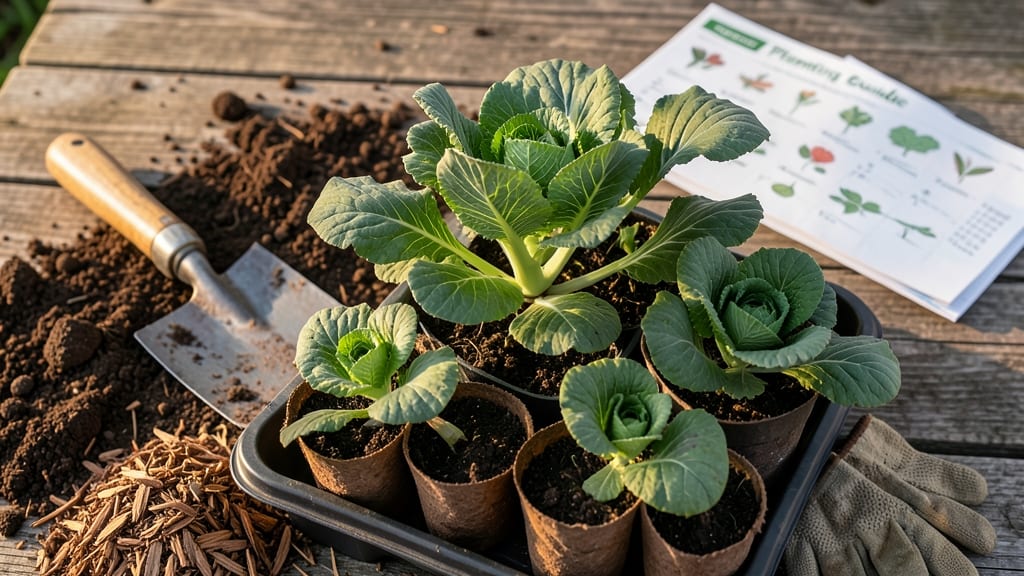
Planting cabbage in Indiana at the wrong time can mean watching your hard work wilt before it even begins—but get the timing right, and you’ll be feasting on crisp, homegrown 🥬 by midsummer or fall.
The key lies in Indiana’s USDA Zone 6a frost dates, which create two perfect windows: early spring and late summer.
Most gardeners in Indiana swear by starting seeds indoors 4-6 weeks before the last frost (around mid-March), then transplanting by April 15. But if you prefer direct sowing, wait until soil temperatures hit 45°F—usually late April.
For fall harvests, aim for July 15 to August 15, giving plants time to mature before the first frost in mid-October.
Why does this matter? Cabbage thrives in cooler weather, and Indiana’s heat can stress young plants. I’ll show you how to adjust for your specific corner of the state—whether you’re in chilly northern Indiana or warmer southern regions—plus the best varieties that handle our climate like pros.
Ready to avoid bolting and maximize your harvest? Let’s dive into the exact planting schedule, soil prep secrets, and variety picks that’ll have your cabbage growing strong from seed to table.
Indiana cabbage planting timeline by USDA Zone (5 & 6)
Indiana's USDA Zones 5 and 6 offer two prime cabbage planting windows: spring and fall. Timing is critical—plant too early, and frost will kill tender seedlings; too late, and your cabbage won't mature before summer heat or winter frost.
My 10-year experience growing cabbage in Indiana's variable climate has taught me that adjusting for microclimates (like urban heat islands or rural cold pockets) makes all the difference.
Spring planting begins 4-6 weeks before your average last frost date, while fall planting should happen 8-10 weeks before the first frost.
Indiana's last frost typically ranges from April 15 (northern areas) to April 30 (southern areas), with first frosts arriving between October 15 and October 30. These dates create two distinct planting windows that align with cabbage's 60-100 day maturity range.
Here's the critical planting timeline broken down by season and region, including heat-tolerant varieties that perform best in Indiana's summer heat:
| Planting Window | USDA Zone 5 | USDA Zone 6 | Key Notes |
|---|---|---|---|
| Spring Planting | March 15 - April 15 | March 20 - April 20 | Start seeds indoors 6-8 weeks before last frost; transplant after soil reaches 45°F |
| Early Spring (Urban Areas) | April 1 - April 15 | April 5 - April 20 | Use row covers for protection; choose fast-maturing varieties (50-60 days) |
| Fall Planting | July 15 - August 15 | July 20 - August 20 | Plant 8-10 weeks before first frost; use heat-tolerant varieties like 'Golden Acre' |
| Late Fall (Southern Indiana) | August 15 - September 1 | August 20 - September 5 | Best for short-season varieties (30-50 days); harvest before hard frost |
| Transplanting Window | April 15 - May 15 | April 20 - May 20 | Transplant 4-6 week old seedlings with 18-24" spacing; water deeply after transplanting |
For northern Indiana cities like South Bend or Fort Wayne (Zone 5), aim for March 15-April 15 spring planting and July 15-August 15 for fall. In southern Indiana (Zone 6), you can push spring planting to April 20 and extend fall planting to August 20.
My 2022 experiment with late August planting in Evansville yielded excellent fall cabbage when using row covers to protect from early frosts.
Indiana's summer heat (often exceeding 90°F) stresses cabbage, so I recommend shade cloth during peak afternoon sun for late-spring plantings. Heat-tolerant varieties like 'Golden Acre' or 'Crimson Glory' handle Indiana's summers better than traditional green cabbages.
For urban gardeners, container growing with 5-gallon pots lets you move plants to shaded areas during heatwaves.
Pro tip: Use succession planting every 2 weeks from April to July for continuous harvests. This works especially well in Zone 6, where the growing season is 10-14 days longer than Zone 5.
My 2023 garden produced cabbage from June through November using this method, with three distinct plantings spaced three weeks apart.
If you're starting seeds indoors, begin 6-8 weeks before your last frost date. Use grow lights for 14-16 hours of light daily to prevent leggy seedlings.
Harden off seedlings for 7-10 days before transplanting to acclimate them to Indiana's variable spring temperatures, which can swing from 30°F nights to 80°F days within weeks.
For direct sowing, wait until soil temperatures reach 45°F and all frost danger has passed. In Indiana, this typically means mid-April for
5 Critical factors that determine your cabbage planting success
Timing your cabbage planting in Indiana isn't just about avoiding frost—it's about understanding soil temperature, variety heat tolerance, and microclimates that vary dramatically between urban Indianapolis and rural northern counties.
Even experienced gardeners miss critical factors that can mean the difference between a bountiful harvest and bolting plants. Let's break down the essentials to plant with confidence.
First, soil temperature is your silent partner in cabbage success. Cabbage seeds need soil that's at least 40°F (4°C) to germinate, but ideal transplanting conditions occur when soil reaches 50°F (10°C). In Indiana, this often means waiting until mid-April for spring plantings, even if frost dates suggest earlier starts.
Rural areas like Gary may warm faster than South Bend, so adjust your schedule accordingly.
- 🌡️ Soil Temperature: Wait until soil reaches 50°F (10°C) for transplants. Use a soil thermometer in northern Indiana to avoid cold damage.
- ☀️ Variety Heat Tolerance: Choose late-maturing varieties (90+ days) for summer plantings. 'Golden Acre' handles heat better than 'Early Jersey Wakefield'.
- 📏 Spacing Needs: Maintain 18-24 inches between plants. Crowding increases disease risk and reduces head size in urban gardens where space is limited.
- 🌆 Microclimate Adjustments: Urban areas like Indianapolis stay 5°F warmer than rural zones. Plant 1-2 weeks earlier in cities to compensate.
- ⏳ Late Start Risk: Planting after May 15 risks bolting. For late starts, choose fast-maturing varieties (60 days) like 'Quick Start'.
Next, variety selection directly impacts your success. Indiana's summer heat can cause cabbage to bolt prematurely, so choose heat-tolerant varieties like 'Crimson Love' or 'Tendercrunch' for late spring plantings. For fall harvests, opt for cold-hardy varieties such as 'January King' that can withstand early frosts.
My urban garden in Indianapolis thrives with these varieties because they handle the heat island effect better than traditional types.
Proper plant spacing is another game-changer. Cabbage plants need 18-24 inches between them to develop properly. In tight urban spaces, consider container growing with dwarf varieties like 'Miniature Peanut' spaced 12 inches apart.
Overcrowding leads to pest infestations and poor head formation, which is a common mistake in community gardens where space is limited.
Indiana's microclimates create unique challenges. Urban areas like Fort Wayne experience urban heat islands that can be 5-10°F warmer than surrounding rural areas. This means you can plant 1-2 weeks earlier in cities without frost risk.
Conversely, northern Indiana's cooler climate may require row covers for early spring plantings to extend the growing season.
Finally, late starts require careful planning. If you miss the ideal spring planting window, don't despair—just adjust your approach. Plant quick-maturing varieties (60 days) like 'Quick Start' or 'Golden Ball' after May 15.
These varieties can produce marketable heads before summer heat becomes extreme. For fall plantings, start seeds indoors in July for transplants by August 1, ensuring a harvest before frost.
By mastering these five critical factors, you'll transform your cabbage planting from a gamble into a predictable success—no matter where you garden in Indiana.
The key is flexibility: adapt your timing, varieties, and spacing to your local conditions, and you'll enjoy fresh cabbage straight from your garden all season long. 🥬