
Plants
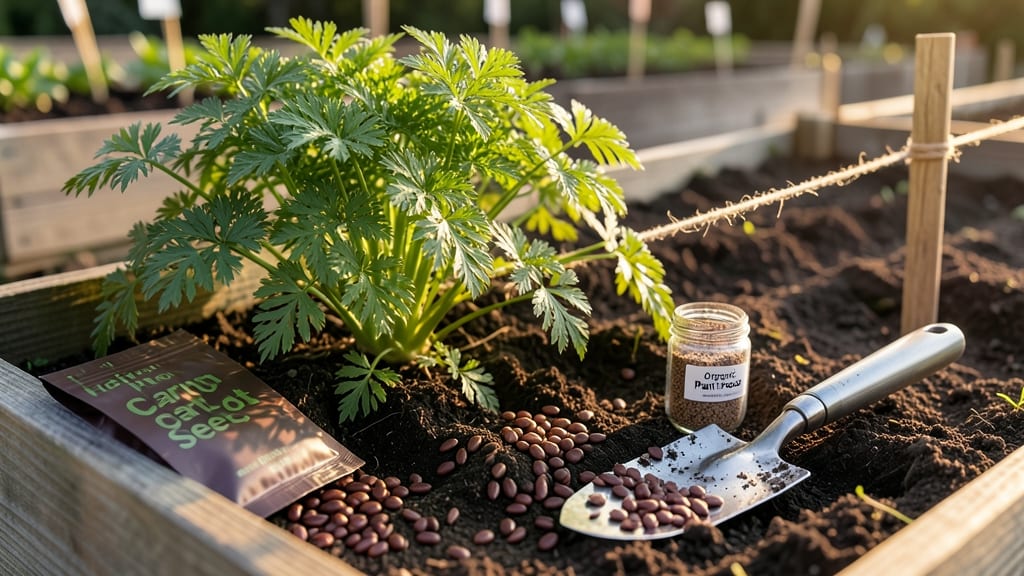
Planting carrots in Ohio isn’t just about timing—it’s about beating the soil’s stubborn chill to unlock fast germination and a bumper harvest. Ohio’s 6a zone means your 🥕 seeds need warmth to wake up, and getting it wrong can leave you staring at empty rows by June.
Most gardeners in Ohio swear by early spring planting (March–April), but the real secret lies in soil temperature—not just frost dates. Too cold, and your seeds will sulk; too warm, and they’ll bolt before you get a single crisp root.
I’ll show you how to test soil warmth and adjust planting depth for reliable sprouts, even when Ohio’s weather plays tricks.
Here’s the game-changer: By mastering these soil tricks, you can stretch your carrot season from late summer to fall, avoiding the dreaded “July gap” where stores sell sad, store-bought roots.
Whether you’re in northern Ohio’s cooler pockets or the warmer southern regions, these strategies ensure your garden stays ahead of the frost.
Let’s dive into the exact soil temps your carrots crave, plus how to time successive plantings for a continuous harvest—no more guessing, just consistent success. Ready to grow carrots like a local pro?
Ohio carrot planting calendar: best months by soil temperature
Timing your carrot planting in Ohio isn’t just about months—it’s about soil temperatures. Carrot seeds need 45–60°F soil to germinate, and Ohio’s USDA Zone 6a means your success depends on when the ground warms up.
Plant too early, and seeds rot; too late, and you’ll miss the sweetest harvest window before summer heat sets in.
Ohio’s last frost date (around April 15) is a starting point, but soil temperature tells the real story. Northern Ohio’s cooler microclimates may need 2–3 weeks later than southern regions. I’ve learned to check soil warmth with a soil thermometer—if it’s below 50°F, wait it out.
The ideal planting window spans from mid-March to early June, but with a twist: cold-hardy varieties like ‘Nantes’ or ‘Paris Market’ can handle 45°F soil, while heat-tolerant types like ‘Danvers’ thrive when soils hit 60°F+. This flexibility lets you stretch your harvest.
Here’s the breakdown of Ohio’s planting zones by soil temperature and month:
| Planting Window | Soil Temp Range (°F) | Best Varieties | Frost Tolerance | Germination Time |
|---|---|---|---|---|
| Mid-March to Early April | 45–50°F | Nantes, Paris Market, Chantenay | High (survives light frost) | 2–3 weeks |
| Late April to Mid-May | 50–60°F | Danvers, Imperator, Rainbow | Moderate (needs warm soil) | 1–2 weeks |
| Early June (for fall harvest) | 60–70°F | Short-season: ‘Early Nantes’, ‘Little Finger’ | Low (bolt risk if hot) | 10–14 days |
For northern Ohio (e.g., Cleveland, Toledo), aim for late March to early May—soil warms slower there. In southern Ohio (e.g., Cincinnati, Columbus), you can plant 2–3 weeks earlier thanks to milder winters. I’ve had great luck with ‘Rainbow’ carrots in May for a late-summer harvest.
Don’t overlook fall planting! Sow short-season varieties in early June for a harvest before first frost (October 15). Just keep soil moist—dry spells cause bolting (flowering), which ruins sweetness. A light mulch of straw helps retain moisture.
Pro tip: Use row covers in early spring to warm soil faster. I’ve seen germination improve by 50% with this trick. Just remove covers once seedlings sprout to prevent overheating. Black plastic mulch is another game-changer—it raises soil temps by 10°F+ in just days.
If you’re new to Ohio gardening, start with ‘Paris Market’ carrots—they’re cold-tolerant and perfect for March–April plantings. For a longer harvest, mix varieties: plant ‘Nantes’ in March and ‘Danvers’ in May. This staggered approach ensures carrots ready at different times all season.
Watch for soil compaction—carrots need loose dirt to grow straight. Before planting, amend your bed with compost or sand if your soil feels dense. I’ve had forked carrots (a gardener’s nightmare) until I started prepping beds properly. Rocky or clay-heavy soil? Try container growing with a deep pot.
Remember: Consistent moisture is key after planting. Carrot seeds need constant dampness to germinate—don’t let the soil dry out. A light sprinkle daily (or drip irrigation) works best.
Once seedlings emerge, water deeply every 3–5 days to encourage root growth. Mulch with straw to lock in moisture and keep weeds down.
Soil temperature secrets for faster carrot germination in Ohio
Carrot seeds in Ohio need soil temperatures between 50°F and 85°F to germinate reliably. Too cold, and your seeds will rot in the soil; too hot, and they’ll bolt before forming roots.
I’ve learned the hard way that checking soil temperature—not just air temperature—is the real key to unlocking fast, consistent sprouts.
Most Ohio gardeners focus on frost dates, but soil warmth tells the real story. For example, in northern Ohio, March plantings often fail because the ground stays too cold, while southern Ohio can plant as early as late February if soil hits 55°F.
The trick? Use a soil thermometer to confirm warmth before planting.
Here’s the secret weapon: Planting depth matters just as much as temperature. Seeds need ¼-inch depth in loose soil, but if your soil is cold, bury them slightly deeper (½-inch) to protect them from temperature swings.
This small adjustment can mean the difference between a full row of sprouts and bare soil.
⚠️ WARNING: Common Mistakes That Kill Carrot Seeds
Overwatering cold soil—seeds need moisture but will rot if soil stays soggy below 50°F. Always let soil dry slightly between waterings in early spring.
Planting too deep—seeds need light to germinate. Deeper than ½-inch in cold soil can delay sprouting by weeks.
Ignoring mulch—a 2-inch layer of straw keeps soil warm and retains moisture, but only use it after soil reaches 55°F.
Row covers are another game-changer for Ohio’s unpredictable springs. Lightweight fabric traps heat and speeds up germination by 3–5 days. I’ve seen carrots sprout in 48 hours under row covers when soil hits 60°F, compared to 10+ days without them.
Just remove covers once seedlings emerge to prevent overheating.
For late-season plantings (July–August), focus on soil moisture more than temperature. Hot, dry soil can cause seeds to dry out before germinating. Water gently before planting and keep soil consistently moist until sprouts appear. A shade cloth (30–50%) can also help if your summer heat exceeds 85°F.
Finally, don’t overlook the power of compost. Amending your soil with well-rotted compost improves drainage and warmth, creating the perfect environment for carrot seeds. Aim for 2–3 inches mixed into the top 6 inches of soil before planting. This small step can boost germination rates by 20–30%.