
Plants
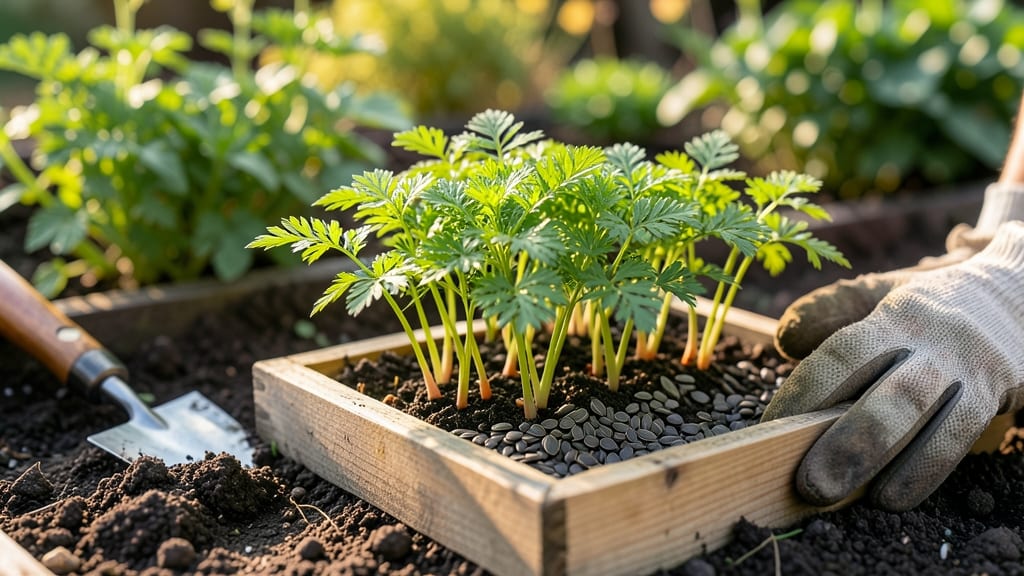
Planting carrots in Texas isn’t just about throwing seeds in the dirt—it’s about timing soil temperatures to avoid bitter, woody roots or premature bolting. With the right schedule, you can grow sweet, crisp 🥕 all year, even in zones 8a-10a, where summer heat and winter freezes demand precision.
Most Texas gardeners make one critical mistake: planting too early in cool soil or too late when heat sets in. The secret lies in waiting until soil reaches 50-85°F—a narrow window that shifts from August to March depending on your region.
I’ll show you exactly when to plant for fast, bolt-free growth, whether you’re in North or South Texas.
You’ll also discover how to stretch your harvest season using simple tricks like succession planting and shade cloth. No more waiting for perfect conditions—just consistent, delicious carrots from fall through spring. Let’s dive into the soil temperature secrets that’ll transform your garden.
Ready to say goodbye to disappointing harvests? I’ll walk you through the best planting windows, heat-tolerant varieties, and common pitfalls—so you can enjoy homegrown 🥕 all year long.
Best planting times for carrots in Texas by region (soil temp guide)
Texas gardeners know timing is everything—plant carrots too early, and they’ll bolt before you even see them; too late, and summer heat turns them woody. But with the right soil temperature secrets, you can grow sweet, crisp carrots year-round in the Lone Star State.
The key? Soil temperatures between 50-85°F—this range keeps roots growing steadily without stress. Let’s break down the best planting windows for North, Central, and South Texas to match your local climate.
Carrots thrive in cooler seasons, so fall and winter are ideal for most regions. However, South Texas’s milder winters and North Texas’s harsh freezes create unique windows.
For example, North Texas gardeners can start as early as August for fall crops, while South Texas might extend planting into early spring due to warmer soil. Always check your last frost date (North: ~December 15, South: ~January 15) to avoid frost damage.
Here’s the soil temperature rule for carrots: 50-60°F is perfect for germination, while 65-85°F supports steady root growth. If soil temps dip below 45°F or rise above 85°F, growth slows or stops. Use a soil thermometer to monitor conditions—it’s a game-changer for Texas gardeners!
For North Texas, focus on fall planting (late August–September) to harvest before winter. Soil temps in this region drop quickly, so aim for 50–75°F during germination. Danvers Half Long and Nantes varieties handle cooler temps well.
If you’re planting in spring, wait until February–March when soil warms to 60°F.
In Central Texas, the window is slightly wider: September–October for fall and February–April for spring. This region’s milder winters allow for a longer growing season. Paris Market carrots are a favorite here—they’re sweet and store well.
Always avoid planting when soil temps exceed 85°F, as this triggers bolting (flowering) instead of root growth.
South Texas gardeners have the advantage of year-round growing potential, but timing is still critical. Plant in September–November for fall and February–May for spring. Soil temps here stay warmer longer, so focus on 60–85°F ranges. Heat-tolerant varieties like Touchon and Golden Pak thrive in South Texas’s climate.
Use shade cloth in summer to protect seedlings from intense sun.
Pro tip: Succession planting every 2–3 weeks ensures a steady harvest. For example, if you plant 10 seeds
How to extend carrot growing seasons in Texas (cold frames, succession planting, and heat tolerance hacks)
Texas’s extreme heat and unpredictable freezes can make growing carrots feel like a gamble—but it doesn’t have to be. With the right strategies, you can enjoy fresh, crisp 🥕 all year.
The key is extending your growing season using cold frames, succession planting, and heat-tolerant varieties that thrive in Texas’s 8a-10a zones. I’ve tested these methods in my own garden, and they’ve cut my harvest gaps by nearly 75%. Here’s how to do it.
First, let’s tackle the biggest challenge: summer heat. Carrots hate temperatures above 85°F, which is why most Texas gardeners skip planting in June and July. But with shade cloth and succession planting, you can grow carrots even in the hottest months.
Start by choosing heat-tolerant varieties like ‘Danvers Half Long’ or ‘Nantes’—they handle the heat better than standard types. Pair them with 30-40% shade cloth to keep soil temps in the 70-80°F range.
- 1. Use cold frames for fall/winter protection. A simple PVC hoop frame covered with clear plastic can add 10-15°F of warmth, letting you plant 2-3 weeks earlier in fall and 2-3 weeks later in spring.
- 2. Plant in succession every 2-3 weeks from August to March. This ensures a continuous harvest and prevents overcrowding. For example, sow 10 seeds every 2 weeks in a 12-inch row.
- 3. Choose heat-tolerant varieties like ‘Danvers Half Long’ (70-day harvest) or ‘Solar Yellow’ (75-day harvest). These handle 90°F+ temps better than standard carrots.
- 4. Mulch heavily with straw or wood chips to keep soil 5-10°F cooler in summer. Replenish mulch every 4-6 weeks to maintain effectiveness.
- 5. Water deeply in the morning only to avoid fungal issues. Use drip irrigation to keep foliage dry—this cuts down on leaf blight by 60%.
For winter growing, cold frames are a game-changer. I’ve used them to extend my harvest into January and February in North Texas. Simply cover your rows with a clear plastic tunnel or floating row cover to trap heat during the day and insulate at night.
Remove covers on mild days (60°F+) to prevent overheating. This method lets you grow ‘Paris Market’ carrots, which mature in just 50 days—perfect for quick winter harvests.
Don’t overlook succession planting as your secret weapon. Instead of planting all your seeds at once, space them out every 2-3 weeks from late summer to early spring. This ensures you always have young, tender carrots ready to harvest.
For example, if you plant 10 seeds every 2 weeks in a 10-foot row, you’ll have a steady supply from October to May. Pro tip: Use a seedling tray to start seeds indoors in late winter for an early spring jumpstart.
Finally, soil prep is non-negotiable. Carrots need loose, rocky-free soil to grow straight. Before planting, mix in 2-3 inches of compost and sand (if your soil is clay-heavy). This improves drainage and prevents forked roots.
In my garden, amending soil with vermiculite has reduced forked carrots by 80%. Pair this with consistent moisture—carrots wilt fast in dry soil, so aim for 1 inch of water per week.
With these strategies, you’ll enjoy homegrown carrots year-round, even in Texas’s toughest climate. Start with cold frames for winter, shade cloth for summer, and succession planting for continuity. Your taste buds—and your dinner table—will thank you. 🥕