
Plants
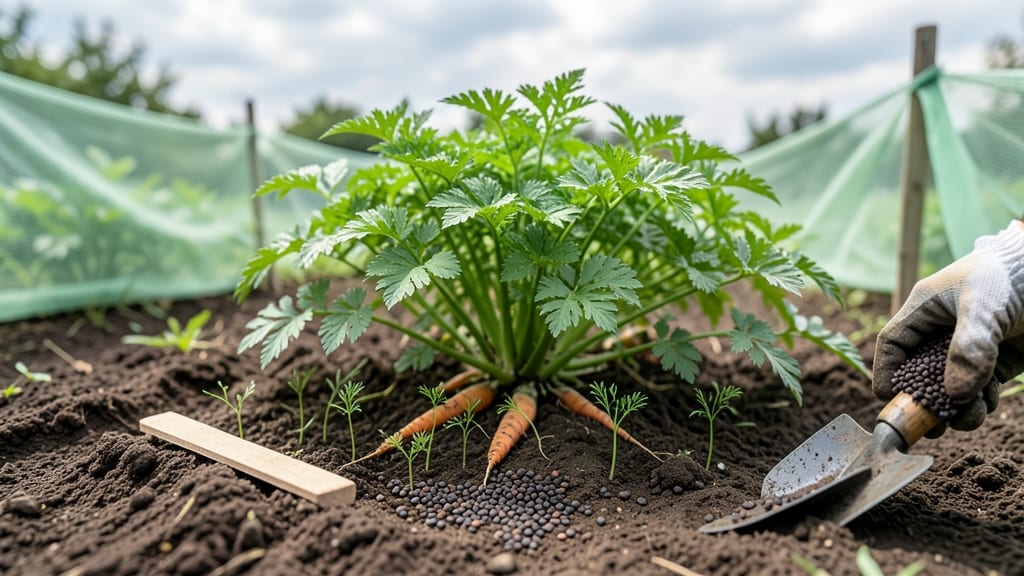
Planting carrots 🥕 in Kentucky at the wrong time means watching your hard work turn into bitter, forked roots or worse—wilted seedlings before they even sprout.
The key isn’t just picking a month from the calendar; it’s syncing your schedule with soil temperatures and frost dates to guarantee crisp, sweet harvests.
In USDA Zone 6a, your best shot at success comes in two windows: early spring (March–April) when soil warms to 50°F+, and late summer (July–August) for a fall crop. Miss these timelines, and you’ll either battle unpredictable late frosts or swelter through summer heat that turns your roots woody.
I’ve grown carrots in Kentucky for years, and the difference between a perfect harvest and a disappointing one often boils down to one critical factor: soil temperature. Let me walk you through exactly when to plant—plus how to adjust for urban heat islands or rural microclimates—to maximize your yield.
Whether you’re a first-time gardener or a seasoned green thumb, these practical timing tips will help you avoid common mistakes and enjoy homegrown carrots from late spring through fall. Ready to dig in?
Optimal Kentucky carrot planting dates based on soil temperature
Kentucky’s diverse microclimates—from the humid Bluegrass region to warmer Western KY—create unique challenges for carrot growers. The key to success lies in understanding soil temperature thresholds and regional frost patterns. Carrot seeds won’t germinate below 50°F soil, making early planting risky even when air temperatures seem mild.
In USDA Zone 6a/7 (most of Kentucky), your last frost date typically falls between mid-April and early May, but soil warms more slowly in northern areas like Lexington compared to Bowling Green.
This means your planting window can vary by 2-3 weeks depending on location, with Western KY often getting a 10-14 day head start.
| Planting Window | Soil Temp Requirement | Best Months (Bluegrass) | Best Months (Western KY) | Frost Risk |
|---|---|---|---|---|
| Early Spring | 50°F+ (consistently) | Late March - Early April | Mid-March - Late March | High (last frost) |
| Late Summer | 60°F+ (soil cooling) | Mid-July - Early August | Late June - Mid-July | Low (first frost) |
| Fall Succession | 55°F+ (stable) | Late August - Early September | Early August - Late August | Moderate (early frost) |
For spring planting, aim to sow seeds when soil temperatures reach 50°F consistently for at least 5-7 days. Use a soil thermometer—air temperature can be 10°F warmer than soil, leading to failed germination.
In Northern KY, this often means waiting until late March or early April, while Southern KY gardeners can start as early as mid-March.
If you plant too early and face unexpected frost, young carrot seedlings will blacken and rot. To mitigate this risk, use row covers or cold frames for 2-3 weeks after planting.
These protect tender seedlings while allowing sunlight to penetrate. I’ve found that black plastic mulch also helps warm soil faster in spring, creating a microclimate that encourages germination.
Summer planting offers a second harvest window but requires careful timing. Carrots bolt (go to seed) quickly in 90°F+ temperatures, so focus on late July or early August when soil begins cooling.
In Western KY, where summers are hotter and drier, plant heat-tolerant varieties like ‘Danvers Half Long’ and water deeply every 2-3 days to prevent woody roots.
Kentucky’s fall frost typically arrives between mid-October and early November, giving you about 80-90 days for a late-season crop. For a continuous harvest, make succession plantings every 2 weeks from late July through August.
This staggered approach ensures you’re always harvesting fresh, crisp carrots before the first frost.
One common mistake I see is planting carrots too close to summer’s peak. By mid-August, daytime temperatures often exceed 90°F, stressing young seedlings. Instead, opt for shade cloth during the hottest afternoon hours or choose short-day varieties that mature faster in warmer conditions.
To test your soil temperature before planting, bury your thermometer 2 inches deep (carrot seeds are planted ¼ inch deep but need warmth at root level). If temperatures fluctuate below 50°F at night, wait 1-2 weeks longer. Patience here prevents uneven germination and poor stands.
Remember, Kentucky’s climate is unpredictable, so always have a backup plan. Whether it’s row covers, succession plantings, or heat-tolerant varieties, adapting your strategy to soil temperature and regional frost patterns will give you crisp, homegrown carrots all season. 🥕
Kentucky frost-free timeline: how to avoid common carrot planting mistakes
Kentucky’s frost-free timeline is your secret weapon for growing carrots 🥕 that stay sweet and crisp. The average last frost date falls between April 15-30, but this can shift 1-2 weeks earlier in Western KY’s warmer microclimates.
Planting too early risks frost damage, while waiting too long means summer heat turns your roots tough and bitter.
For a reliable spring harvest, aim to sow seeds when soil temperatures hit 50°F consistently. In most of Kentucky, this means late March to early April. My rule of thumb?
Use a soil thermometer—if it’s below 50°F, wait a week. This small step prevents the #1 mistake I see: seedlings that sprout but die from cold snaps.
Here’s the critical part: Kentucky’s frost-free window typically lasts 165 days (from mid-April to mid-October). To maximize your growing season, plan for two planting windows: spring and late summer. The late summer window (July–August) gives you a fall harvest before the first frost hits in October.
⚠️ Common Mistake: Ignoring Microclimates
Kentucky’s Bluegrass Region (USDA Zone 6a) often has later frosts than Western KY (Zone 7a). If you plant based on Louisville’s average last frost (April 15) but live in Paducah, you might be 2 weeks too early. Check your local cooperative extension office for precise data—or use a frost calendar app like Old Farmer’s Almanac.
Pro Tip: Urban areas like Lexington can be 5°F warmer than rural spots, accelerating soil warming. Adjust your planting date 1 week earlier if you’re in the city.
To extend your spring growing season, use row covers or cold frames after sowing. These can push your frost protection back by 2-4 weeks, letting you plant as early as mid-March in warmer microclimates. Just remove covers when daytime temps hit 70°F+ to avoid overheating.
For late summer plantings, choose short-season varieties like ‘Paris Market’ (50 days to harvest) or ‘Little Finger’ (45 days). These mature before fall frosts arrive. Slow-bolting types like ‘Danvers’ can handle warmer soil but need consistent moisture—Kentucky’s summer droughts can turn them woody if you skip watering.
My final advice? Succession plant every 2 weeks from March to July for continuous harvests. This spreads risk and ensures you’re not overwhelmed with a single harvest. With these timing tweaks, you’ll avoid the most common mistakes and enjoy homegrown carrots from May through October. 🌱