
Plants
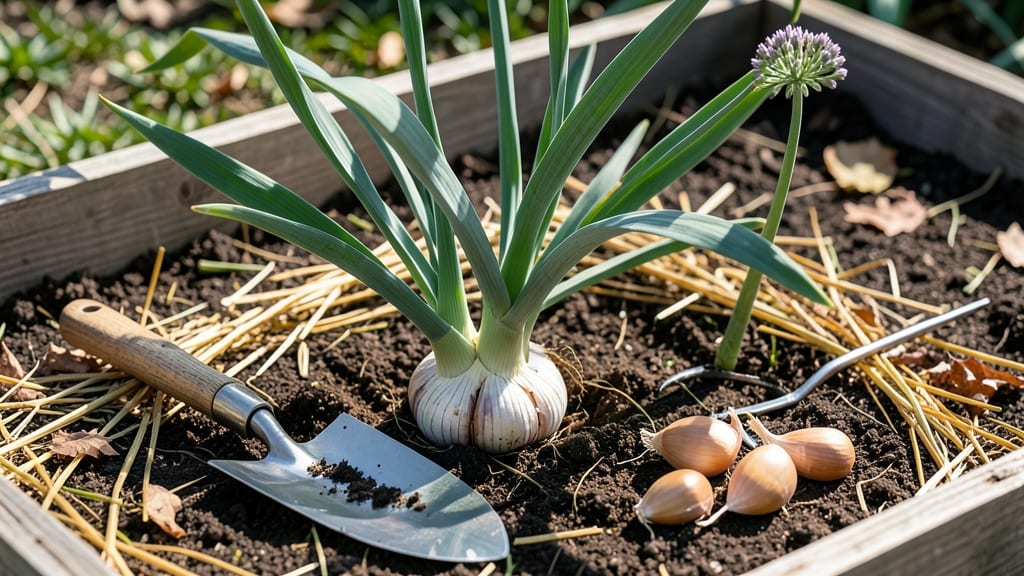
Planting garlic in Alabama at the wrong time can mean the difference between a bountiful harvest and wasted effort—especially when unpredictable frosts lurk around the corners of your garden.
The key to growing plump, flavorful bulbs lies in understanding when to plant 🧄 based on your specific hardiness zone, whether you're in cooler northern Alabama or warmer southern regions.
Most Alabama gardeners swear by fall planting between October and November, but timing is everything. Get it right, and you'll enjoy fresh garlic by summer; get it wrong, and you might end up with stunted cloves or even frost damage.
I'll break down the exact frost-free windows for both hardneck and softneck varieties, so you can plant with confidence.
What if you miss the fall window? Don't worry—early spring planting in February can still yield great results, provided you follow a few critical steps. We'll cover soil prep, variety selection, and post-planting care to ensure your garlic thrives, no matter when you start.
Ready to grow garlic that rivals what you'd find at the farmers' market? Let's dive into the perfect planting schedule for Alabama's unique climate, so you can enjoy homegrown garlic all season long.
Ideal Alabama garlic planting dates by hardiness zones (7a-7b)
Alabama’s USDA Zones 7a-7b offer unique challenges for garlic growers, thanks to unpredictable frost dates and mild winters. Unlike northern states, you can’t rely on a single first-frost date—some years, garlic thrives with minimal winter chill, while others demand careful frost protection.
The key? Planting in a 4-6 week window before your average first frost (typically mid-November in Zone 7a and late November in Zone 7b).
For hardneck varieties (like Silverskin or Rocky Mountain), this timing ensures they get enough cold vernalization (40-50°F nights) to form bulbs. Softneck varieties (such as Artichoke) are more forgiving but still need 6-8 weeks of cool weather before harvest.
Missing this window risks small, weak bulbs or even no harvest at all.
Here’s the month-by-month breakdown for both zones, including microclimate adjustments (like urban heat islands or valley frosts) that can shift your ideal planting date by 2-3 weeks.
| Zone | Ideal Planting Window | Hardneck Varieties | Softneck Varieties | Microclimate Tip |
|---|---|---|---|---|
| 7a (North AL) | October 15 – November 15 | Silverskin, Chesnok Red | Artichoke, California Early | Plant 2 weeks earlier in valleys; 1 week later on south-facing slopes. |
| 7b (Central/South AL) | October 30 – December 10 | German White, Creole | Silver Banana, Inchelium Red | Urban areas: plant 10 days later due to heat retention. |
| Both Zones | February 1-15 (Spring Backup) | Limited success; smaller bulbs | Better for softnecks | Use row covers for frost protection. |
In Zone 7a, aim for October 15–November 15 to give garlic enough time to establish roots before winter. Hardneck varieties like Silverskin thrive here, but if you miss the window, consider spring planting in February—though bulbs will be smaller and less flavorful.
For Zone 7b, extend your window to October 30–December 10; the milder climate lets you plant later, but avoid waiting past December 1 or risk poor bulb formation.
Pro tip: Use Alabama’s average frost dates as a guide, but check your local Cooperative Extension Service for 5-year frost trends. For example, Huntsville (Zone 7a) averages its first frost on November 15, while Birmingham (Zone 7b) often sees frost by December 1.
Adjust your planting date based on these local averages.
If you’re in a microclimate—like a valley prone to early frosts or an urban area with heat islands—shift your planting date by 1-3 weeks.
For example, Mountain City (Zone 7a) gardeners often plant by October 1 to avoid November frosts, while Mobile (Zone 7b) gardeners can wait until November 15.
For hardneck garlic, prioritize fall planting—it’s your only chance for large, flavorful bulbs. Softneck varieties are more flexible and can handle late fall or early spring planting, but they’ll still benefit from a cool winter.
If you’re unsure, test your soil’s cold tolerance by planting a small batch in late November and covering it with straw mulch.
Remember: Garlic planted in spring (February) will produce smaller bulbs with less storage life, but it’s a lifesaver if you miss the fall window. Use this as a backup plan rather than your primary method.
For best results, stick to fall planting and focus on soil prep and frost protection.
Once planted, mulch heavily with straw or leaves (4–6 inches) to insulate bul
How to adjust garlic planting for Alabama’s unpredictable frost patterns
Alabama’s frost-free timeline can shift dramatically from year to year, leaving garlic growers guessing whether their cloves will survive winter. A late frost in December or an early freeze in March can devastate your crop if you’re not prepared.
The key is to plant early enough for roots to establish but late enough to avoid premature sprouting before the ground freezes. For most of Alabama, this means getting cloves in the soil 4-6 weeks before the first hard frost—typically mid-October to early November.
However, if you’re in North Alabama (Zone 7a), where winters are colder, aim for early October planting. In South Alabama (Zone 7b-8a), you can push it to late October or even early November.
The goal is to give garlic 6-8 weeks of root growth before the ground freezes solid. Without this buffer, your bulbs won’t develop properly, leading to small, weak harvests or even total failure.
Here’s the pros and cons of traditional vs. extended-season planting to help you decide which strategy works best for your microclimate:
Traditional Fall Planting
✅ Pros
- Larger bulbs: Full winter dormancy yields bigger harvests
- Natural cycle: Aligns with garlic’s growth rhythm
- Less maintenance: No need for frost protection
❌ Cons
- Risk of late frost: Young plants vulnerable if frost hits early
- Limited harvest window: Bulbs mature by early summer
- Soil prep timing: Requires early fall soil preparation
Extended-Season Planting
✅ Pros
- Later harvest: Extends growing season by 3-4 weeks
- Frost protection: Row covers shield young plants
- Flexible timing: Can plant into early December
❌ Cons
- Smaller bulbs: Less winter dormancy = reduced size
- More labor: Requires row covers and mulching
- Higher risk: Needs consistent frost monitoring
If you choose extended-season planting, start by planting 2-3 weeks later than traditional timing (e.g., early November instead of October). Use black plastic mulch or straw mulch to warm the soil and protect cloves from early frosts.
For extra insurance, cover rows with frost blankets or agricultural fabric when temperatures dip below 28°F. This can push your harvest window back by 3-4 weeks, giving you garlic well into late June instead of May.
Another soil-warming hack is to plant garlic in raised beds filled with compost-rich soil. The elevated beds warm up faster in spring and drain better, reducing the risk of rot from frozen soil.
For North Alabama gardeners, consider planting hardneck varieties like ‘Music’ or ‘German White’, which handle colder winters better than softnecks. In South Alabama, softnecks like ‘Silverskin’ or ‘Artichoke’ thrive with less frost protection.
No matter which method you choose, monitor your local frost dates using the Alabama Agricultural Weather Network or a home weather station. Adjust your planting schedule yearly—what worked in 2023 might fail in 2024 due to climate shifts.
With the right adjustments, you’ll turn Alabama’s unpredictable frost into an advantage, not a setback. 🌱