
Plants
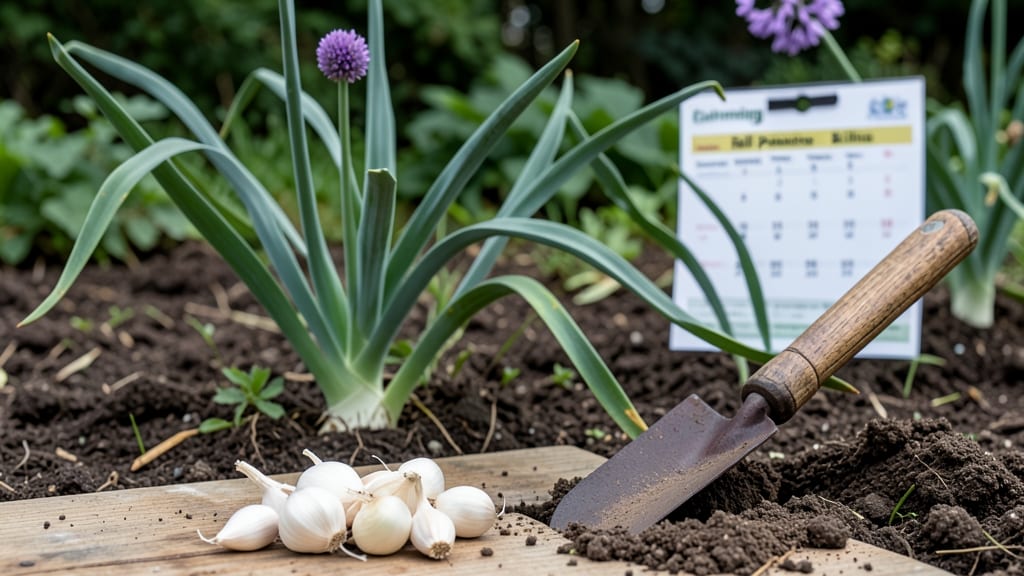
Planting garlic in Illinois at the wrong time could mean the difference between a bumper crop of flavorful bulbs and a disappointing harvest—especially in zones 5-6 where frost arrives early.
The key window for fall planting is just 4-6 weeks before the ground freezes, typically between late October and November, but timing varies by microclimate.
Why does this matter? Garlic needs a period of cold to form proper bulbs, and planting too late risks frost damage before roots establish. Meanwhile, spring planting in Illinois is risky unless you're prepared for smaller yields and higher bolting.
Let me walk you through the exact frost-free timeline for your zone, plus soil prep secrets to maximize your harvest.
You might assume "fall planting" means a one-size-fits-all approach, but Illinois gardeners in Chicago face different challenges than those in rural areas. We'll break down how to adjust for your specific location, including when to use row covers and how soil temperature affects success.
No more guessing—just proven strategies for plump, healthy garlic that rivals store-bought.
Ready to grow garlic that tastes like summer? I’ll show you how to time your planting perfectly, avoid common mistakes, and troubleshoot issues before they start. Let’s get those 🧄 cloves in the ground at the right moment for a harvest you’ll be proud of.
Illinois garlic planting calendar by hardiness Zone (USDA 4-6) with frost dates
Getting your garlic planting timing right in Illinois is critical—this crop thrives when planted 4-6 weeks before the first hard frost, but the exact window varies by USDA zone.
In Zone 4 (northern IL), you’ll need to plant earlier than in Zone 6 (southern IL), where milder winters extend your window. I’ll break down the ideal planting months for each zone, including soil temperature thresholds and frost date averages from NOAA data.
For most Illinois gardeners, fall planting (October-November) yields the largest bulbs, thanks to natural cold vernalization. However, spring planting (March-April) is an option for late starters—though bulbs will be smaller.
Hardneck varieties (like Music or German White) perform best in colder zones (4-5), while softneck varieties (like Silverskin) tolerate Zone 6’s milder winters better.
Soil temperature is your best guide—garlic cloves need 40-50°F soil to sprout without rotting. In Zone 5 (Chicago area), this typically happens by late October, while Zone 4 may need planting by mid-October. Use a soil thermometer to confirm readiness; planting too early in warm soil risks rot.
First frost dates vary dramatically across Illinois:
- Zone 4: First hard frost by October 20 (average)
- Zone 5: First hard frost by October 28
- Zone 6: First hard frost by November 10
Count back 4-6 weeks from these dates for your planting window.
| Zone | First Fall Planting Window | Spring Planting Window (Risk Zone) | Soil Temp Requirement | Key Consideration |
|---|---|---|---|---|
| USDA 4 | Mid-September to October 15 | March 15-April 1 (smaller bulbs) | 40-50°F | Plant hardnecks; use row covers if frost risk |
| USDA 5 | Late September to October 30 | March 20-April 15 (smaller bulbs) | 40-50°F | Ideal for both hardneck/softneck; mulch heavily |
| USDA 6 | October 1-November 15 | March 25-April 30 (smallest bulbs) | 45-55°F | Softnecks preferred; extend window with cold frames |
In Zone 4, aim to plant by October 15—any later risks cloves rotting before winter dormancy. I’ve planted German Red garlic in Zone 5 as late as November 1 with success, but only after covering with straw mulch (6+ inches).
For Zone 6, you can push the envelope to mid-November, but monitor soil temps closely.
Spring planting in Illinois is not recommended for beginners—bulbs will be 30-50% smaller and more prone to bolting (flowering prematurely). However, if you must plant in spring, do so by April 15 in Zone 4 or April 30 in Zone 6.
Use shade cloth if temperatures exceed 75°F during growth.
Pro tip: Break apart garlic bulbs into individual cloves right before planting—never store them whole or they’ll sprout prematurely. Plant the pointed end up, 2 inches deep, and 4-6 inches apart in well-draining soil amended with compost.
After planting, add 3-4 inches of mulch (straw or leaves) to insulate roots through winter.
Remember, garlic needs cold to form bulbs—don’t skip the winter! If you’re in Zone 5 or 6 with unusually warm winters, consider planting hardneck varieties that tolerate slightly warmer conditions. For Zone 4, stick to proven cold-hardy types like Chesnok Red or Music.
How to adjust planting time for Illinois microclimates and soil conditions
Illinois gardeners face unique challenges when planting garlic, especially between Chicago’s urban heat islands and rural areas with cooler microclimates. The USDA Zone 5-6 designation covers most of the state, but local frost dates and soil conditions vary wildly.
For example, Chicago’s last frost date often arrives 2-3 weeks earlier than rural areas like Peoria or Springfield, meaning your planting window shifts accordingly.
Soil temperature is another critical factor—garlic cloves need soil between 40-50°F to sprout properly. Warmer soils (>55°F) can trigger premature sprouting, while colder soils (<35°F) risk frost damage before roots establish. Testing soil readiness with a soil thermometer ($10 at garden centers) is a game-changer for precision planting.
Here’s the key difference: In Chicago (Zone 5b), aim to plant garlic by mid-October to avoid early frost, while rural areas in Zone 6a can extend planting until early November.
This microclimate shift means gardeners in Downers Grove might need to adjust their timing by 2-3 weeks compared to those in Decatur.
🌱 Fall Planting (Oct-Nov) vs. Spring Planting (March-April)
Fall Planting (Oct-Nov)
- Pros:
- 🌾 Larger bulbs (ideal for storage)
- 🌡️ Natural cold vernalization (better flavor)
- 🛡️ Lower disease risk (dormant winter)
- Cons:
- ❄️ Frost risk if planted too late
- 📝 Requires soil prep ahead (6-8 weeks before planting)
Spring Planting (March-April)
- Pros:
- ⏰ Flexible timing (works for late starters)
- 🌱 Works for softneck varieties (e.g., Silverskin)
- Cons:
- 🧄 Smaller bulbs (less storage life)
- 🌿 Higher bolting risk (flowering = wasted crop)
- 💧 Needs consistent moisture (critical in dry springs)
*NOAA data shows Zone 5b (Chicago) has a 30% higher risk of early frost in fall planting windows compared to Zone 6a.
To extend your fall planting window in high-risk years (like 2022-2023, when Chicago saw frost by October 20), use floating row covers ($15-$25 at garden centers). These lightweight fabrics (like Agribon) raise soil temperature by 2-4°F and protect cloves until roots establish.
For rural areas, focus on soil drainage—garlic hates soggy winters, so amend heavy clay with compost or sand before planting.
Spring planting in Illinois is only recommended if you’re using softneck varieties (like Artichoke) or missed the fall window. Plant in early March when soil temps hit 45°F, but be prepared for bolting (flowering) if temps spike above 75°F during growth.
Mulch with straw or leaves to maintain even moisture and reduce stress.
Pro tip: Use NOAA’s Frost/Freeze Tool (https://www.ncdc.noaa.gov) to check your local 30-year frost averages. For example, Chicago’s first hard frost is typically October 22, but rural Springfield often waits until November 5.
Adjust your planting date accordingly—this small tweak can mean the difference between plump bulbs and stunted growth.