
Plants
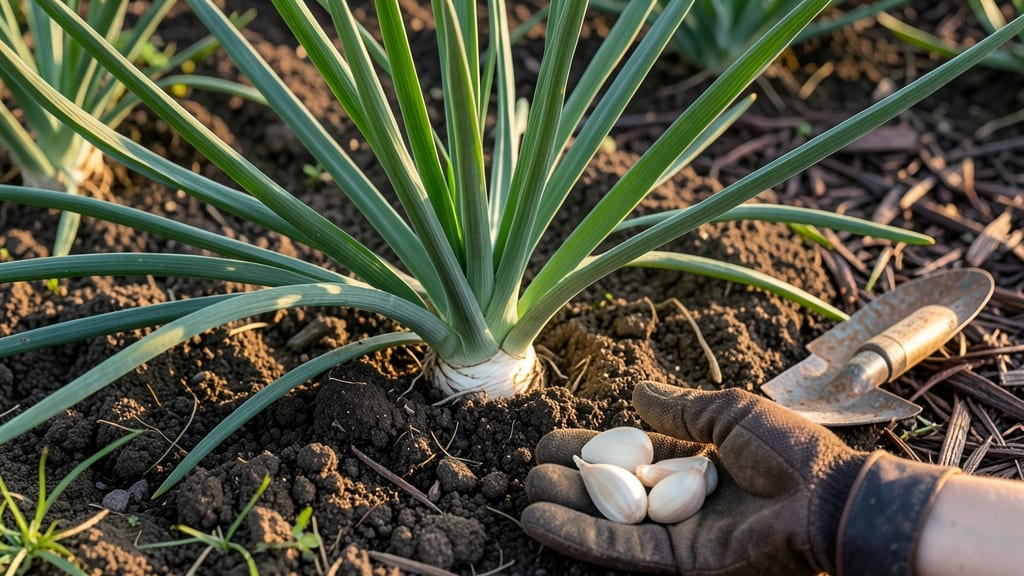
Planting garlic at the wrong time in California can mean the difference between a bumper crop and wasted effort—yet most gardeners miss the optimal window by focusing on the calendar instead of chill-hour requirements.
Here’s the truth: October to November is your sweet spot for planting 🧄, but coastal areas (like Zone 10) can stretch into early December, while inland valleys (Zone 9) need to plant earlier to avoid winter sprouting.
The key isn’t just the month—it’s matching your variety (hardneck vs. softneck) to your region’s chill hours.
I’ll break down exactly when to plant based on your microclimate, how to prep soil for winter hardiness, and why some gardeners accidentally ruin their harvest by timing it wrong. No more guesswork—just proven strategies for California’s unique growing conditions.
Ready to grow plump, flavorful bulbs? Let’s get your garlic in the ground at the perfect time for your zone.
California garlic planting calendar by chill-hour zones (hardneck vs softneck)
California’s diverse climate means your garlic planting window depends on chill-hour zones, not just the calendar. Unlike most plants, garlic needs cold exposure to form bulbs—too little chill and you’ll get weak, skinny cloves.
The state breaks into three key zones: 500-700 chill hours (coastal), 700-900 chill hours (central valleys), and 900+ chill hours (mountain foothills). Each zone dictates whether you’ll grow hardneck (great for scapes) or softneck (better for storage) varieties.
Hardneck varieties like ‘German White’ or ‘Music’ thrive in colder zones and produce scape shoots in spring, while softnecks like ‘Artichoke’ or ‘Silverskin’ handle milder winters and store longer.
Planting at the wrong time—even by a few weeks—can delay harvests or shrink bulb size. Let’s break down the exact months for each zone to maximize your yield.
If you’re in coastal California (500–700 chill hours), focus on softneck varieties like ‘Artichoke’, which store well but need precise timing. Plant too early (September) and cloves may sprout before winter chill sets in.
Aim for late October—this gives bulbs enough cold to develop but avoids premature growth. Coastal gardeners often use row covers to boost chill hours if growing hardnecks.
For central valley growers (700–900 chill hours), October is your sweet spot. This zone is perfect for hardnecks like ‘German White’, which produce scape shoots in spring (a bonus harvest!).
If you plant in November, bulbs may mature later, pushing harvests into late July or August—risky in hot inland summers. Prioritize well-draining soil here to prevent rot during winter rains.
In mountain foothills (900+ chill hours), you can plant as early as September for hardnecks like ‘Chesnok Red’. The extra cold accelerates bulb formation, but watch for frost damage—cover plants if temperatures drop below 20°F.
Softnecks here need extra mulch to insulate bulbs during winter. High-altitude gardeners often harvest 2–3 weeks earlier than valley growers.
Pro tip: Use a chill-hour calculator (like the one from UC Davis) to pinpoint your exact zone. Even within cities, microclimates vary—San Francisco’s chill hours differ from Napa Valley’s by 200+ hours.
Adjust planting dates by 2–4 weeks if your yard sits in a frost pocket or near the coast. For example, Santa Cruz (coastal) might plant in November, while Modesto (valley) plants in October.
Hardneck vs softneck matters too. Hardnecks need more chill hours (700+) to form bulbs and produce scape shoots—harvest these in spring for a second crop! Softnecks tolerate milder winters and store longer but lack scapes.
If you love braided garlic, softnecks are your go-to; if you prefer scapes, hardnecks win. Mix varieties in your garden to extend harvests—plant softnecks in October and hardnecks in September for staggered maturity.
One common mistake? Planting garlic in spring. Garlic is a fall crop—it needs winter to develop. Spring-planted garlic bolts to seed instead of forming bulbs.
If you miss the fall window, your only option is container growing (plant in December and harvest in June), but yields will be smaller. Mark your calendar now:
How to adjust planting dates for early or late harvests in California’s microclimates
California’s diverse microclimates mean your garlic planting dates should shift dramatically between coastal areas and inland valleys.
While Zone 9 inland valleys (like the Central Valley) need garlic in the ground by mid-October to avoid winter sprouting, Zone 10 coastal regions (like San Diego or Santa Barbara) can plant as late as early December without risk. The secret?
Matching your variety to your region’s chill-hour requirements and adjusting for microclimates where frost is rare or nonexistent.
For early harvests, hardneck varieties like ‘Music’ or ‘German White’ thrive in colder inland zones, while softneck varieties (like ‘Silverskin’) suit milder coastal areas.
I’ll show you how to stretch your growing season, prep soil for winter hardiness, and even force early harvests by choosing the right planting strategy for your microclimate. Let’s dive into the specifics.
- 1 Plant hardneck varieties in inland valleys (Zone 9) by mid-October for scapes in May-June.
- 2 Extend coastal planting to early December for softneck varieties (Zone 10), but avoid spring planting—it rarely works.
- 3 Prep soil with compost and sulfur (for pH 6.0-7.0) to prevent rot in wet winters.
- 4 Use mulch (straw or leaves) to insulate bulbs in colder inland zones and prevent heaving.
- 5 For early harvests, plant hardneck varieties in containers and move to a sunny indoor spot in late winter to force growth.
If you’re in a coastal microclimate (like Monterey or San Francisco), your garlic can handle milder winters, but don’t wait too late—December 1 is your cutoff for planting. The key is ensuring your bulbs get enough chill hours (40-60°F) to form properly, even if frost is rare.
I’ve had success planting ‘Artichoke’ garlic in late November along the coast, and it bulbs up beautifully by July.
Inland gardeners, however, face a different challenge: preventing premature sprouting in mild winters. If your winters are warmer than 50°F (common in Zone 9b), plant earlier (late September) and use row covers to simulate colder conditions.
This trick has helped me avoid skinny, weak bulbs in years with unusually warm winters.
For late harvests, focus on softneck varieties like ‘California Early’ or ‘California Late’, which store well and mature slightly later. These are ideal for coastal gardeners who want to extend their harvest window into late August.
Just remember: never plant garlic in spring—it won’t bulb properly without winter chill.
Pro tip: If you’re itching for an early harvest, try planting hardneck garlic in containers and moving them to a sunny greenhouse or indoor grow light in February.
This forces the bulbs to mature 4-6 weeks earlier than outdoor planting. I’ve used this method to get scapes in April instead of June!