
Plants
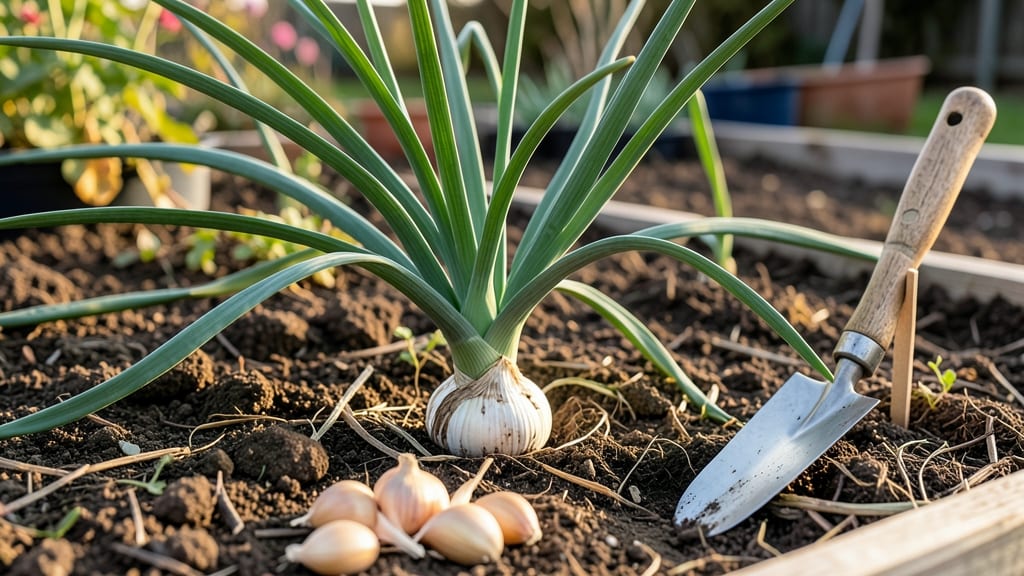
Planting garlic in Zone 5 isn’t just about timing—it’s about matching your 🧄 hardneck varieties to the precise chill hours they need to form those flavorful bulbs. Get this wrong, and you’ll miss out on a harvest that could last all winter.
I’ve learned the hard way that planting too early or too late can mean smaller bulbs—or worse, no harvest at all. The key is planting 4–6 weeks before the first hard frost, typically between late October and early November in Zone 5.
This window gives your garlic the cold exposure it craves to develop properly.
But here’s the thing: not all garlic is created equal. Hardneck varieties like Rocambole or Purple Stripe need 300–1,000 chill hours, while softneck types are more forgiving. I’ll show you how to align your planting schedule with your specific variety and local microclimate.
Ready to grow garlic that’s bigger, stronger, and ready to harvest next summer? Let’s break down the exact steps—from soil prep to frost timing—so you can plant with confidence.

Zone 5 garlic planting timeline: chill-hour requirements by variety
Planting garlic in Zone 5 isn’t a one-size-fits-all task—it’s about matching your hardneck varieties to their specific chill-hour needs. Most hardnecks require 300–1,000 hours below 40°F to form bulbs. In Zone 5, we typically hit 600–900 chill hours annually, making late fall the ideal window.
But timing varies by variety, and planting too early or late can shrink your harvest. Let’s break down the exact windows for your favorite hardnecks.
For Rocambole and Purple Stripe varieties, aim for 600–800 chill hours. These varieties thrive when planted 4–6 weeks before the ground freezes, usually between October 1–15 in most of Zone 5.
If you live in the northern edge (Zone 5a), push planting to late September to ensure enough chill time. In southern Zone 5b, hold off until mid-October to avoid early freezes.
Here’s the key: Soil temperature matters just as much as air temperature. Garlic cloves need 40–50°F soil to sprout, but they’ll rot if planted in warmer than 60°F soil.
In Zone 5, soil temps drop below 50°F by mid-October, creating the perfect window. Use a soil thermometer to confirm—plant when temps are steady between 40–50°F.
If you miss the fall window, you can try spring planting, but bulbs will be smaller and less flavorful. Spring-planted garlic needs 60–70 days of warm weather to mature, so aim for March 15–April 1 in Zone 5.
However, spring garlic won’t store as long, so it’s best for fresh-use varieties like Silverskin.
For late-summer planting, some gardeners experiment with August sowings under row covers or in high tunnels. This method mimics the chill requirements but requires extra protection during winter. If you try this, use fast-maturing varieties like German White and monitor soil temps closely to avoid
How to adjust your planting schedule for Zone 5’s microclimates
Zone 5’s microclimates can throw off even the most precise planting schedules. I’ve seen urban gardens in Chicago thrive where rural fields in Wisconsin struggle—all because of local conditions. The key is understanding how your specific spot deviates from the "average" Zone 5 frost dates and adjusting accordingly.
For example, high-altitude gardens (like those in Colorado’s Front Range) often experience earlier frosts than valley areas. Meanwhile, protected microclimates—like south-facing slopes or near buildings—can stay warmer for weeks longer. These variations mean your ideal planting window might be 2–4 weeks earlier or later than your neighbor’s.
Here’s the critical adjustment: Use frost-free dates as your baseline, but modify based on your microclimate. If your area tends to freeze 2 weeks earlier than the USDA average, plant garlic 2 weeks sooner to ensure it gets enough chill hours before dormancy sets in.
⚠️ Common Mistake: Planting Garlic Too Late in Zone 5
Many gardeners wait until November to plant garlic, thinking they have more time.
But if your first hard frost hits November 15, planting after October 20 risks insufficient chill hours. Hardneck varieties like Rocambole need 600+ chill hours—if you miss this window, you’ll get smaller bulbs or no harvest at all.
Always check your local frost dates and adjust planting 4–6 weeks before.
Urban gardeners face unique challenges, like heat islands that delay fall cooling. If your soil stays warm longer, consider using row covers or mulch to trigger dormancy. I’ve had success with straw mulch (4–6 inches) to protect garlic through early frosts while still allowing chill exposure.
For high-altitude areas, where nights can drop below freezing earlier, plant garlic in late September instead of October. Use cold frames to extend the season if needed—just ensure the structure doesn’t trap too much heat, which can prevent proper vernalization (the cold process that triggers bulb formation).
Pro tip: Test your soil temperature before planting. Garlic cloves need soil between 40–50°F (4–10°C) to establish roots. If your microclimate runs warmer, wait until temperatures drop naturally or use shade cloth to cool the soil.
Finally, avoid the late-fall planting trap. Planting garlic after November 1 in most of Zone 5 means it won’t get enough cold exposure, leading to bolting (flowering) instead of bulb development. When in doubt, err on the earlier side—you can always mulch heavily to protect young plants.