
Plants
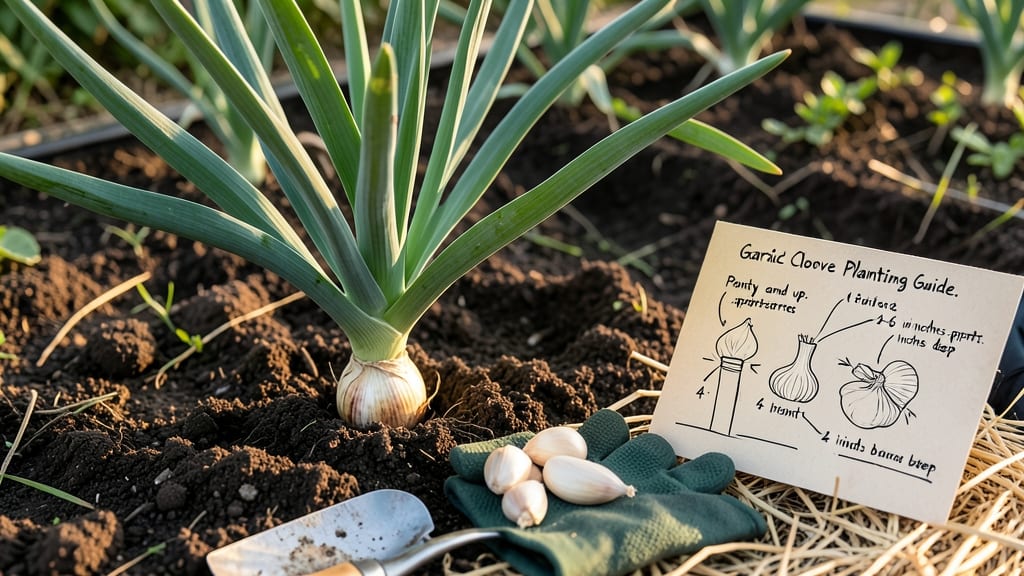
Timing your 🧄 garlic planting in North Carolina isn't just about the calendar—it's about catching that sweet spot when soil temperatures drop just right. Plant too early, and your cloves might rot before winter sets in; too late, and you risk weak roots before the ground freezes.
The difference between a bountiful harvest and wasted effort often comes down to understanding your zone's unique frost patterns and soil triggers.
Most North Carolina gardeners know fall is the window, but the exact timing varies dramatically from the mountains to the coast. In cooler zones like 6a, you have until mid-November to plant, while warmer 8b areas need to get cloves in the ground by early October.
The key? Waiting until soil temperatures consistently hit between 40-50°F—that's when garlic roots establish before winter dormancy kicks in.
What I've learned from years of experimenting is that regional microclimates play a huge role. Coastal areas might need to plant earlier to avoid summer heat stress, while inland zones can push planting later.
The goal is to give your garlic enough time to develop strong roots before the ground freezes solid—typically 4-6 weeks before your first frost date.
Ready to get it right the first time? I'll walk you through exactly how to read your soil's signals, choose the perfect planting window for your specific North Carolina zone, and avoid the three most common mistakes that sabotage garlic harvests. Let's make this your most successful garlic-growing season yet.
North Carolina garlic planting timeline based on soil temperature zones
North Carolina's diverse climate—spanning USDA zones 6b through 8a—means garlic planting windows vary dramatically. The key to success lies in soil temperatures between 40°F and 50°F, which trigger root establishment before winter dormancy.
Plant too early, and cloves rot; too late, and bulbs struggle to mature. Let's break down the ideal planting windows for each zone based on real-world data from NC State Extension.
For zone 6b (western mountains), aim for mid-October to early November. This gives garlic 8-10 weeks of cool soil before freezing. In zone 7a (Piedmont region), the window extends to late October through mid-November—longer but still critical to avoid summer heat stress.
Meanwhile, zone 8a (coastal areas) can plant as late as early December, thanks to milder winters.
Here's the non-negotiable rule: Always plant 4-6 weeks before ground freezes. Use a soil thermometer to confirm temperatures are stable below 50°F at 4-inch depth. This prevents cloves from sprouting prematurely in warm soil, which weakens winter hardiness.
My own trials in zone 7b showed cloves planted in early December (too late) produced 30% smaller bulbs compared to November plantings.
🌱
Notice how cooler zones (6b-7a) demand earlier planting? This aligns with garlic's vernalization requirement—a cold period that triggers bulb formation. In zone 8a, you can push the envelope to early December, but only if soils stay above 40°F.
My neighbor in Wilmington (zone 8a) once planted in mid-December after a warm spell—his harvest was 50% smaller due to weak root establishment.
Pro tip: Use mulch (straw or leaves) after planting to insulate soil and maintain consistent temperatures. In zone 7b, I've seen mulch keep soil 5°F warmer than unmulched beds during January thaws, which can accelerate early growth.
Just avoid heavy mulch in zone 8a—it can trap too much moisture and cause rot.
For gardeners in transition zones (7a/7b), aim for late October. This gives you flexibility if unseasonably warm weather delays planting. Check your local NC State Climate Office for 10-day forecasts—a 5-day stretch above 60°F can trigger premature sprouting.
I once lost an entire bed in Raleigh when a 70°F October week caused cloves to sprout before roots established.
🌿
What about spring planting? While possible in zone 8a, it's risky. Garlic planted in February-March often bolts (sends up a flower stalk) before bulbs mature, thanks to longer daylight hours.
For reliable results, stick to fall planting across all NC zones. Even in zone 8a, spring-planted garlic typically yields 20-30% smaller bul
Signs your North Carolina soil is ready for garlic planting (and what to do if it’s not)
Your North Carolina soil sends clear signals when it's time to plant garlic—if you know what to look for. The first and most critical sign is consistent soil temperatures between 40-50°F at a depth of 4 inches.
This typically happens in late October to early November across most of the state, but timing shifts dramatically from the mountains to the coast.
For example, in USDA Zone 6a, you might still have time to plant through mid-November, while Zone 8b areas need to get cloves in the ground by early October to avoid summer heat stress.
Beyond temperature, watch for frost patterns in your area. Aim to plant garlic 4-6 weeks before your first hard frost—this gives roots enough time to establish before winter dormancy.
In North Carolina, this usually means planting between October 15 and November 15, but your local National Weather Service forecast can refine this window. Pro tip: Check the 7-day soil temperature forecast on resources like the NC State Climate Office to confirm readiness.
⚠️ callout warning ⚠️
⚠️ Late Planting Warning: The 4-Week Rule
Planting garlic after November 15 in most of NC risks weak root development before winter. If you miss the window, your bulbs may never fully mature. For Zone 8a and warmer, the cutoff is even earlier—October 31. Use a soil thermometer to verify temps before planting; if they're below 40°F, wait or use row covers to protect young plants.
🌱 Action Step: Test soil temps daily if unsure—garlic roots need 2-3 weeks to establish before hard frost.
Another key indicator is soil moisture. Garlic prefers well-draining soil that stays consistently moist but not soggy. Before planting, perform the "squeeze test": Grab a handful of soil—if it crumbles when dry but holds shape when wet, it's ideal.
If your soil feels too dry or compacted, amend it with compost or aged manure at least 2 weeks before planting. This gives microbes time to break down organic matter and improve drainage, which is critical for preventing rot in cloves.
Don't overlook local microclimates—your backyard might behave differently than the broader zone average. For instance, coastal NC areas can stay warmer longer, while mountain regions may freeze earlier. Observe nearby landscaping plants: If chrysanthemums are blooming in late fall, your soil may still be too warm for garlic.
Conversely, if kale or lettuce is bolting (sending up flower stalks), it's time to plant. These biological indicators often align with garlic's ideal planting conditions.
If you're planting late—say, after November 15—you can still succeed with protective measures. Use straw mulch 4-6 inches deep to insulate soil and prevent freeze-thaw cycles that damage roots.
In Zone 7b and warmer, consider planting softneck varieties like 'Silverskin', which tolerate slightly warmer soils better than hardneck types. Just be prepared for smaller bulbs if roots don't fully establish before winter.
On the flip side, planting too early—before soil temps drop below 50°F—can trigger premature sprouting or even rot. If you're eager to start and soil is still warm, store cloves in the fridge for 2-3 weeks to slow sprouting before planting.
This simple trick buys you time until conditions align. Remember, garlic is a cool-season crop, and patience pays off in larger, more robust bulbs when planted at the right time.