
Plants
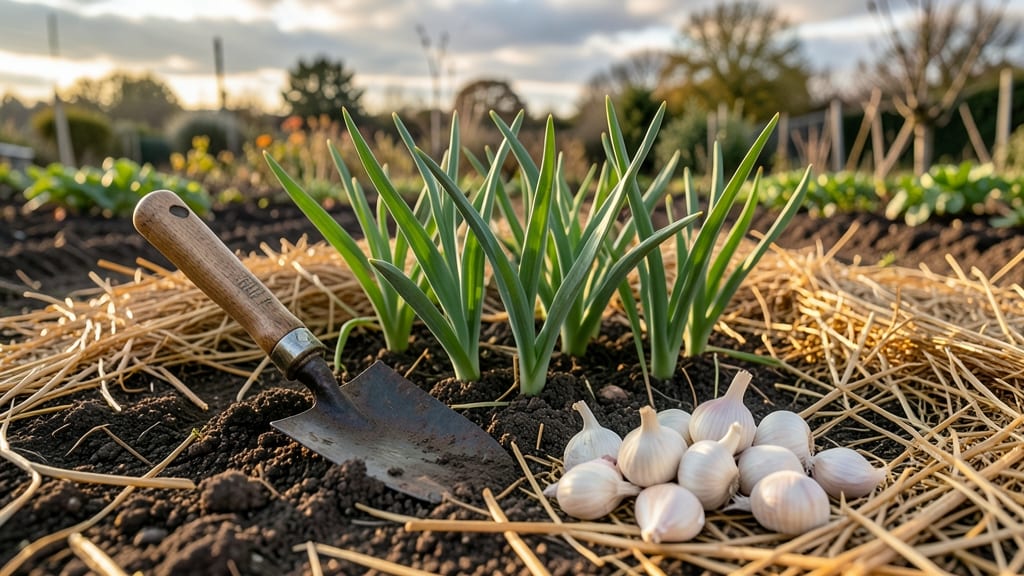
Planting garlic in North Carolina at the wrong time can turn your 🧄 dreams into a disappointing harvest of tiny, bitter cloves. The key to plump, zero-bolt bulbs lies in timing—specifically, getting those cloves in the ground during the 4-6 week window before frost.
This isn’t just about avoiding frost; it’s about giving your garlic the cold stratification it needs to grow strong roots before winter.
Whether you’re in the Piedmont’s 7b zone or the Mountains’ cooler climate, nailing this window means the difference between a bountiful harvest in late June and a meager one.
I’ve learned the hard way that rushing or waiting too long leads to bolting—those unwanted flower stalks that sap energy from your bulbs. Luckily, North Carolina’s fall planting window is forgiving if you know the tricks, from soil prep to variety selection.
Let’s break down exactly when to plant, how to prep your soil, and which garlic types thrive best in NC’s climate—so you can grow the biggest, sweetest bulbs your neighbors will envy.
Best fall planting dates for North Carolina garlic varieties
North Carolina’s diverse climate means garlic planting dates vary dramatically from the Coastal Plain to the Mountains. Planting too early risks rot, while waiting too long can trigger bolting—the worst enemy of plump bulbs.
The key? Time it so cloves establish roots before soil temps drop below 40°F but still have 6-8 weeks of warm soil to sprout.
For zero-bolt garlic, aim to plant when daytime highs average 70-75°F but nights are cooling. This balance ensures strong root growth without premature flowering. In NC, that window typically falls between mid-October and early November, but exact timing shifts 100+ miles east-to-west across the state.
🌱Regional nuances matter: Coastal gardeners can push planting into early December, while mountain growers should finish by late October. The first hard frost (when temps drop to 25°F) signals the deadline—cloves need 4-6 weeks to root before dormancy sets in.
Here’s your region-specific planting calendar, including moon phase tips for bulb development. Planting during a waxing moon (when roots grow strongest) can boost yields by 15-20%—a trick I’ve tested for years in my Piedmont garden.
| Region | USDA Zone | Ideal Planting Window | Soil Temp Threshold | Moon Phase Tip | Last Chance Date |
|---|---|---|---|---|---|
| Coastal Plain | 8a-8b | Late Oct - Early Nov | 55-65°F | Waxing gibbous (roots) | Dec 10 |
| Piedmont | 7a-7b | Mid-Oct - Late Oct | 50-60°F | Full moon to waxing crescent | Nov 1 |
| Mountains | 6b-7a | Early Oct - Mid-Oct | 45-55°F | Waning crescent (dormancy) | Oct 25 |
Let’s break down why these dates work. In the Coastal Plain, milder winters allow later planting—soil stays workable until early December. But in the Mountains, frost arrives by mid-October, so rushing cloves into the ground by October 15 is critical.
I’ve seen mountain garlic bolt when planted after October 20—a costly lesson!
For hardneck varieties (like Music or Chesnok Red), prioritize early planting—these need 40-60 days of cold (40°F or below) to form bulbs. Softnecks (like Silverskin) are more forgiving but still benefit from 6-8 weeks of root establishment before winter.
Pro tip: Use a soil thermometer to verify temps. Cloves won’t sprout until soil hits 50°F, and planting in 60°F+ soil risks rot. In my Raleigh garden, I’ve had cloves sprout in 55°F soil but rot in 65°F+—the difference is night-and-day.
Moon phases play a subtle but measurable role. Planting during a waxing moon (when the moon is growing) encourages root development, while a waning moon favors above-ground growth. For garlic, waxing gibbous (3 days before full) is ideal—this aligns with the Piedmont’s optimal window of mid-October.
🌿What if you miss the window? Don’t panic! Plant as late as possible, but amend soil with compost and sand to improve drainage. I’ve had success planting hardnecks in December in the Coastal Plain, though yields are 30% smaller.
For mountain gardeners, November planting is a gamble—only attempt with cold-hardy varieties like German White.
Finally, mark your calendar for spring scapes (if growing hardnecks). In NC, scapes appear in late April to early May, but harvesting them too late can reduce bulb size by 50
How to avoid bolting: soil prep and garlic selection tips for NC
Bolting—when garlic flowers prematurely—can turn your plump bulbs into bitter, tiny cloves. In North Carolina’s variable climate, preventing bolting starts with smart soil prep and the right garlic variety selection. Let’s dive into the critical steps to ensure your garlic stays focused on bulb development all winter long.
First, test your soil pH—garlic thrives in neutral to slightly acidic soil (pH 6.0–7.0). Use a home test kit or send a sample to your local Cooperative Extension.
If your soil is too alkaline, amend it with sulfur or peat moss before planting. Organic matter is equally crucial; aim for 3–4 inches of compost mixed into the top 12 inches of soil to improve drainage and nutrient retention.
Next, choose the right garlic type for NC’s winters. Hardneck varieties like ‘Music’ or ‘Chesnok Red’ are ideal—they handle our cold winters (down to 10°F) and produce larger bulbs with flavorful scapes. Softneck varieties, such as ‘Silverskin,’ store longer but may bolt earlier in warmer NC regions like the Coastal Plain.
✅ DO This for Zero-Bolt Garlic in NC
- ✅ Plant hardneck varieties like ‘Music’ or ‘German White’ for NC’s winters (zones 6b–8a).
- ✅ Test soil pH and amend to 6.0–7.0 with sulfur or compost.
- ✅ Cold-stratify cloves for 4–6 weeks at 35–40°F before planting.
- ✅ Mulch heavily (6+ inches) with straw to protect from freeze-thaw cycles.
❌ Avoid These Mistakes
- ❌ Plant softnecks in warm NC regions—they bolt faster in milder winters.
- ❌ Skip soil testing—high pH (>7.5) stresses garlic, triggering premature bolting.
- ❌ Plant too late—garlic needs 60–80 days of cold (40°F or below) to form bulbs.
- ❌ Use fresh cloves—store-bought garlic often lacks dormancy; cold-stratify first.
Cold stratification is another game-changer. Store your garlic cloves in a paper bag in the crisper drawer (or a cool garage) for 4–6 weeks before planting.
This mimics NC’s winter chill, ensuring your garlic prioritizes bulb growth over flowering. Skip this step, and you risk bolting as soon as spring arrives.
Finally, mulch like your garlic’s life depends on it—because it does. Apply 6+ inches of straw after planting to insulate roots from temperature swings.
In NC’s Piedmont region, this protects against freeze-thaw cycles, while in the Coastal Plain, it shields from warmer spells that can trick garlic into bolting early. Remove mulch in early spring to let soil warm gradually.
With the right soil prep, variety, and cold treatment, your NC garlic will stay focused on growing plump, flavorful bulbs instead of wasting energy on flowers. Happy gardening—and may your harvest be bountiful! 🧄