
Plants
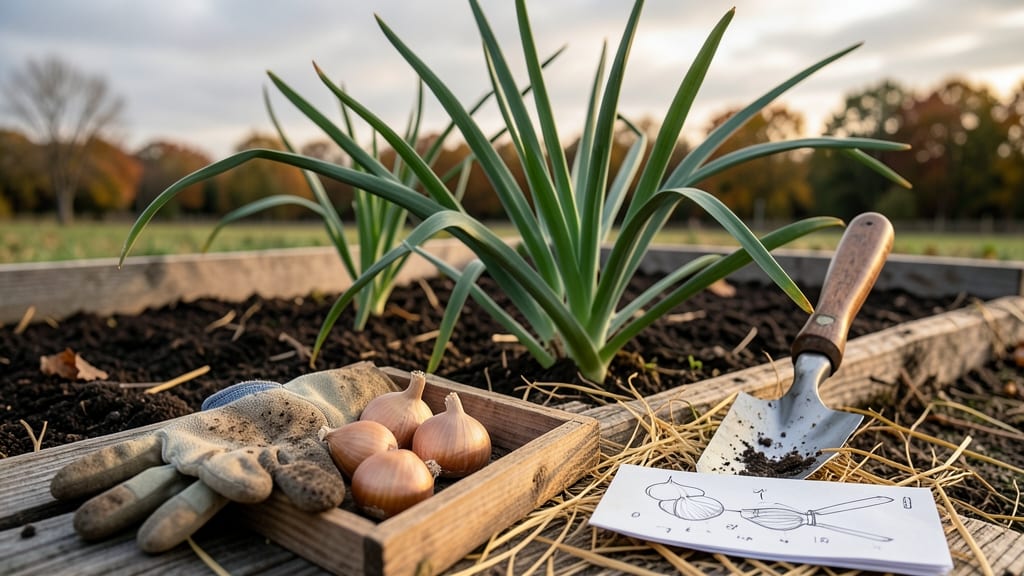
Planting garlic in Oklahoma isn't just about timing—it's about mastering the fall window when your 🧄 cloves transform into next summer's bold harvest. Skip the wrong month, and you'll end up with bitter, bolting plants instead of the sweet, plump bulbs you crave.
The secret lies in understanding how Oklahoma's 6a-7b zones and unpredictable frosts create the perfect (or disastrous) conditions for garlic growth.
Most gardeners in Oklahoma swear by planting between October and November, but there's more to it than just picking a month. Soil temperatures, frost dates, and even your specific county's microclimate can shift that ideal window by weeks.
I'll show you exactly how to read your local weather patterns and adjust your planting schedule to guarantee zero-bolt harvests—no guesswork required.
What if you're new to growing garlic or live in northern Oklahoma where winters hit harder? Don't worry—I've got you covered with variety-specific advice and soil prep techniques that work even in our unpredictable climate.
Whether you're a seasoned gardener or trying this for the first time, these fall planting secrets will help you grow garlic that rivals anything you've bought at the store.
Ready to ditch the store-bought disappointment? Let's dive into the exact steps you need to plant garlic this fall, from choosing the right varieties to protecting your crop through Oklahoma's wild winter swings.
Your flavorful harvest starts with the right timing—and I'll give you all the details you need to succeed.
Best fall planting dates for garlic in Oklahoma (by Zone and variety)
Oklahoma’s USDA Zones 6b-7a create unique challenges for garlic growers, where early frosts and variable soil temperatures demand precise timing. Plant too early, and your cloves may rot; too late, and they’ll bolt prematurely.
The key? Planting between 6-8 weeks before the first hard frost, typically mid-October to early November, but adjust based on your county’s microclimate.
Northern Oklahoma (Zone 6b) has earlier frost dates (mid-November), while southern regions (Zone 7a) can extend planting until late November. Even within these ranges, hardneck varieties (like 'Music' or 'German White') thrive best when planted in October, while softneck varieties (like 'Silverskin') can handle slightly later dates.
Always check your local frost forecast—Oklahoma’s weather is famously unpredictable!
Here’s your Oklahoma-specific planting schedule, broken down by zone and variety, plus lunar calendar tips to boost bulb development:
| Zone & Location | Ideal Planting Window | Hardneck Varieties | Softneck Varieties | Lunar Tip |
|---|---|---|---|---|
| Zone 6b (North OK: Enid, Woodward) | October 1–15 | Music, German White, Purple Stripe | Artichoke, Silverskin | Plant during waxing moon for root growth |
| Zone 7a (Central OK: Oklahoma City, Tulsa) | October 15–November 1 | Chesnok Red, Inchelium Red | Creole, Silver Rose | Avoid planting during full moon (can stress cloves) |
| Zone 7a (South OK: Lawton, Altus) | November 1–15 | Silverskin (late hardneck types) | Silver Rose, California Early | Plant during rooting phase (2 days before/after new moon) |
| All Zones | Soil Temp Threshold | 40–50°F (4–10°C) | N/A | Test soil with a thermometer—plant when temps stabilize below 60°F |
For hardneck garlic, prioritize October planting—this variety needs cold vernalization to form bulbs.
If you’re in Zone 7a and plant after November 1, expect smaller yields or bolting. Softneck garlic, however, is more forgiving and can handle late November plantings, though it may not develop hardneck scapes (the prized garlic shoots).
Oklahoma’s unpredictable weather means you should also monitor soil temperatures with a soil thermometer. Aim to plant when temps consistently stay between 40–50°F (4–10°C). If your soil is still warm in late October, wait—hot soil triggers bolting.
A 4–6 inch layer of straw mulch after planting helps regulate temps and retain moisture during winter’s fluctuations.
Pro tip: If you’re using a lunar planting calendar, focus on the rooting phase (2 days before/after the new moon) for best bulb development. This phase aligns with the moon’s gravitational pull, encouraging root growth.
Avoid planting during the full moon, as it can stress garlic cloves and reduce yield. For Oklahoma gardeners, this often lands in late October—perfect timing for hardneck varieties!
Adjust your planting date if you notice unseasonably warm spells in late fall. Oklahoma’s Chinook winds can push temps into the 70s°F even in November, tricking garlic into bolting.
If this happens, delay planting until soil temps drop again. For extra protection, use black plastic mulch in early winter to insulate the soil and maintain stable conditions.
Finally, don’t overlook clove selection. Choose plump, disease
How to time garlic planting for zero-bolt harvests (Oklahoma-specific tips)
Oklahoma’s unpredictable weather makes garlic planting tricky. One warm spell in November can trick your cloves into bolting—sending up flower stalks instead of building bulbs. To avoid this, I focus on soil temperature and frost timing.
The key is planting when daytime highs drop below 70°F but before the ground freezes solid. This usually falls between mid-October and early November, but your exact window depends on your county’s microclimate.
For northern Oklahoma (like Oklahoma City or Tulsa), aim for October 15–30. Southern regions (like Lawton or Ardmore) can wait until early November.
Check your local USDA Zone 6b-7a frost dates—planting 4–6 weeks before the first hard frost gives your garlic enough time to root before winter dormancy. Use a soil thermometer to confirm temps are consistently below 60°F at planting time.
Here’s the critical mistake I see Oklahoma gardeners make: planting too early. If you plant in September, your garlic may sprout but won’t develop strong bulbs before winter.
The goal is to have small roots (not shoots) established by frost. For hardneck varieties, this is even more critical—they need cold exposure to form scapes and bulbs properly.
⚠️ WARNING: Oklahoma’s Sudden Warm Spells Can Ruin Your Garlic Garlic planted too late or in poorly insulated soil is vulnerable to Oklahoma’s infamous January thaws. If your cloves experience 60°F+ temps during dormancy, they’ll bolt prematurely.
To prevent this, I always: ✅ Use 6+ inches of straw mulch after planting ✅ Add a thick layer of leaves or compost on top ✅ Monitor soil temps with a buried thermometer (aim for 40–50°F during winter) ✅ Avoid planting in low-lying areas where cold air pools
Mulching isn’t just about insulation—it’s about moisture control. Oklahoma’s dry winds can desiccate garlic cloves, so I recommend organic mulch like straw or shredded leaves. Apply it after the first frost to protect emerging shoots.
For extra security in northern Oklahoma, I’ve even used black plastic mulch in early spring to warm the soil before harvest. Just remember to remove it before April 1st to avoid overheating.
Your pre-planting checklist should include these Oklahoma-specific steps: ☑️ Test soil pH (6.0–7.0)—garlic hates alkaline soil ☑️ Amend with compost or aged manure for drainage ☑️ Choose hardneck varieties for northern OK, softnecks for southern OK ☑️ Plant pointed end up, 2 inches deep, 4–6 inches apart ☑️ Mark your rows with stakes or flags—Oklahoma’s winter snow can bury them!
Pro tip: If you’re in Zone 7a (like southern Oklahoma), you can sometimes get away with a December planting for a late harvest. But this is risky—your bulbs may be smaller and more prone to disease.
When in doubt, stick to the October–November window and adjust based on your last frost date. With these techniques, you’ll grow bold, flavorful garlic that’s ready to harvest in June or July—just in time for your summer cooking. 🧄