
Plants
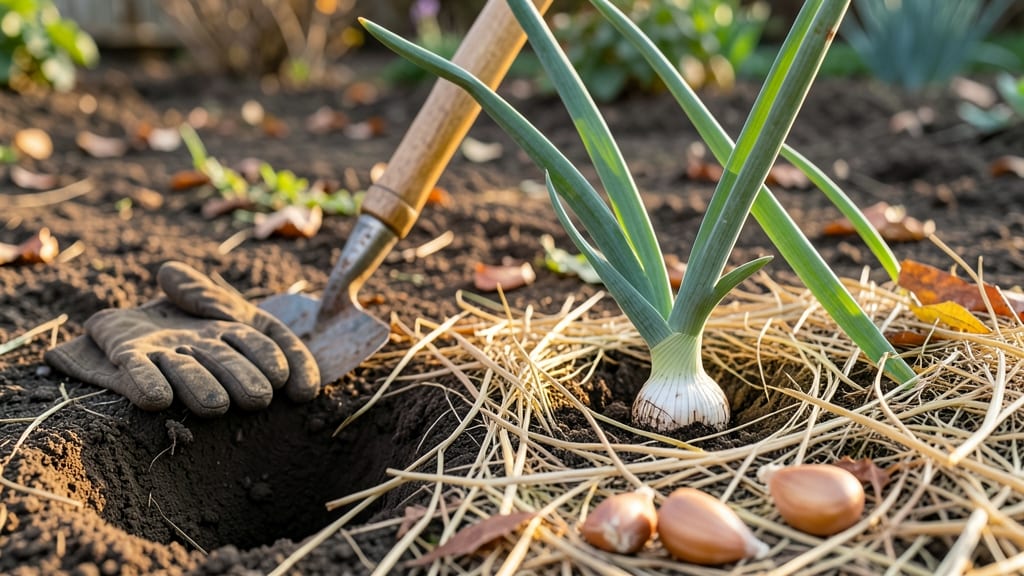
Planting garlic in New York at the right time isn’t just about the calendar—it’s about catching that sweet spot when soil temperatures drop to 35-45°F, the magic window for strong root growth. Miss this timing, and you might end up with weak bulbs or worse, no harvest at all.
I’ve learned the hard way that waiting too late in fall or planting too early in spring can leave your 🧄 vulnerable to frost or rot.
For New York gardeners, the ideal window is October to November, but there’s more to it than just months. Upstate areas can plant earlier, while NYC’s warmer microclimate might need to wait until late October.
The key is understanding how your local soil behaves—because even a few degrees can make or break your garlic’s success.
If you’re wondering whether to plant in fall or spring, here’s the game-changer: fall-planted garlic develops deeper roots before winter, giving it a head start for next summer’s harvest. But if you missed fall, early spring (March) is your second chance—just be ready to protect young shoots from late frosts.
I’ll walk you through exactly how to time it right, from testing soil temperature to choosing the best garlic varieties for New York’s climate. Trust me, getting this step perfect means the difference between a handful of cloves and a pantry full of homegrown goodness.
New York’s ideal garlic planting windows by soil temperature
New York gardeners know timing is everything, especially for garlic. Unlike many crops, garlic thrives when planted in fall—but getting the soil temperature just right ensures strong root growth before winter sets in.
The magic window occurs when soil temps drop to between 35°F and 45°F, signaling your cloves to establish roots before dormancy. This range isn’t just a guess; it’s rooted in science, as garlic bulbs need 6-8 weeks of cold exposure to develop properly.
Upstate New York’s cooler climate often allows for earlier planting compared to NYC’s urban heat islands. While Upstate gardeners might start as early as late September, those in the city should wait until mid-October to avoid premature sprouting.
The key is matching your planting date to your local first frost date—aim for 4-6 weeks before the ground freezes solid. For most of New York, this means October through early November is prime time.
| Region | Ideal Planting Window | Soil Temp Range | Key Adjustments |
|---|---|---|---|
| Upstate NY (Zones 5a-6a) | Late September - Mid-October | 35°F - 45°F | Plant earlier; mulch heavily |
| NYC Metro (Zone 7a) | Mid-October - Early November | 38°F - 42°F | Wait for cooler nights; use black plastic mulch |
| Western NY (Lake Effect) | Early October - Late October | 36°F - 44°F | Watch for early frosts; plant in raised beds |
| Long Island (Coastal) | Late October - Early November | 37°F - 43°F | Soil stays warmer; plant closer to November |
Testing your soil temperature is simpler than you think. Grab a soil thermometer (available for under $10) and check temps at a depth of 4-6 inches—this is where garlic roots will grow. For accuracy, test on a cloudy day when temps are stable.
If your soil is still above 50°F, wait a few days and check again. Pro tip: Morning readings are most reliable since afternoon sun can skew results. Once temps hit that 35-45°F sweet spot, you’re ready to plant.
Why does soil temperature matter so much? Garlic cloves need cold stratification to break dormancy and develop strong roots. Planting too early in warm soil (above 50°F) causes cloves to sprout prematurely, making them vulnerable to frost damage.
Conversely, planting too late (below 30°F) stunts root growth, leading to small, weak bulbs. The 4-6 week window before freezing ensures your garlic gets just the right amount of cold while still having time to establish.
For Upstate gardeners, this often means starting in late September when soil temps drop to 40°F in the evenings. In NYC’s Zone 7a, where urban heat lingers longer, aim for mid-October when temps consistently hit 38°F.
Coastal areas like Long Island may need to wait until November due to delayed cooling. Remember, garlic planted in fall will harvest the following July or August, so patience pays off with plump, flavorful bulbs.
If you’re unsure about your local soil temps, use your last frost date as a backup guide. Count backward 4-6 weeks from your average first frost (typically late October to early November in most of NY). For example, if frost hits October 31, plant by September 15.
This method works well for gardeners in Western NY, where lake-effect weather can bring early freezes. Always err on the side of planting slightly later rather than early—garlic is more forgiving of cold than heat.
One common mistake is relying on air temperature instead of soil temperature. A crisp 50°F evening might feel perfect for planting, but your soil could still be 60°F below the surface. Always check with a thermometer to avoid this pitfall.
Another tip: If your soil is rocky or poorly draining, plant in raised beds or containers filled with well-amended soil. This gives you better control over temperature and moisture, especially in NYC’s dense urban areas where soil can stay warmer longer.
For those in Zone 6a or colder (like the Adirondacks), you can push planting to early October since soil cools faster. Just be prepared to add an extra layer of straw mulch (4-6 inches) to insulate cloves during winter.
In Zone 7a and warmer, where soil stays warmer longer, wait until November if needed. The goal is to give your garlic enough time to root before the ground freezes solid—typically when soil temps drop below 28°F for more than a few days.
Once planted, your garlic will handle winter’s chill like a pro. The cold period actually enhances flavor and bulb size, making those hardneck varieties (like Music or German White) a favorite for NY gardeners. Just remember: The soil temperature at planting time sets the stage for next summer’s harvest.
Get it right, and you’ll be rewarded with bold, homegrown garlic that’s the envy of every kitchen—er, I mean, garden! 🧄
How to adjust garlic planting for New York’s microclimates
New York’s diverse climate zones mean your garlic’s success depends on where you live. Upstate gardeners can plant 6 weeks earlier than their NYC counterparts because colder temperatures arrive sooner. Meanwhile, coastal areas like Long Island experience milder winters, pushing planting dates later.
I’ve seen firsthand how a 2-week delay in NYC can save garlic cloves from winter heaving, while Upstate gardeners risk frost damage if they wait too long.
To navigate these differences, start by checking your last frost date. Upstate areas (like Buffalo) typically see frost by October 15-20, while NYC usually holds off until November 1-5.
Coastal regions can extend planting until mid-November due to moderating ocean breezes. The rule of thumb: plant 4-6 weeks before ground freezes—but adjust based on your microclimate’s frost patterns.
Here’s how to fine-tune your approach for each region:
- Upstate NY (Zones 4-5): Plant mid-September to early October. Use hardneck varieties like ‘German White’—they thrive in colder winters. Mulch with 6+ inches of straw to insulate bulbs.
- NYC & Hudson Valley (Zones 6-7): Wait until late October to early November. Opt for softneck varieties like ‘Silverskin’ for milder winters. Use black plastic mulch to retain heat.
- Coastal Areas (Long Island, etc.): Plant late October to mid-November. Choose intermediate varieties like ‘Artichoke’ for transitional climates. Add extra mulch to prevent salt spray damage.
Mulching is non-negotiable in New York. I’ve found that straw or leaves work best for Upstate gardeners, while black plastic mulch helps NYC areas trap heat. For containers, use insulated growing bags filled with well-draining potting mix and place them in south-facing spots to maximize warmth.
In coastal areas, elevate containers to avoid saltwater splash that can stunt growth.
Don’t overlook soil preparation. Test your soil’s pH—garlic prefers 6.0-7.0. Amend with compost or aged manure before planting. In heavy clay soils (common in Upstate), mix in sand or perlite to improve drainage. For NYC’s urban gardens, raised beds with 50% compost create ideal conditions.
If you missed the fall window, early spring planting (March) is your backup. Choose smaller cloves (they sprout faster) and protect young shoots with row covers until after the last frost. I’ve had success with ‘Music’ garlic in spring—it matures quickly but yields smaller bulbs than fall-planted varieties.
Remember: New York’s microclimates are unpredictable. Keep a gardening journal to track your planting dates, soil temps, and harvest results. Over time, you’ll refine your timing like a pro—leading to plump, flavorful bulbs that make your neighbors jealous. 🧄