
Plants
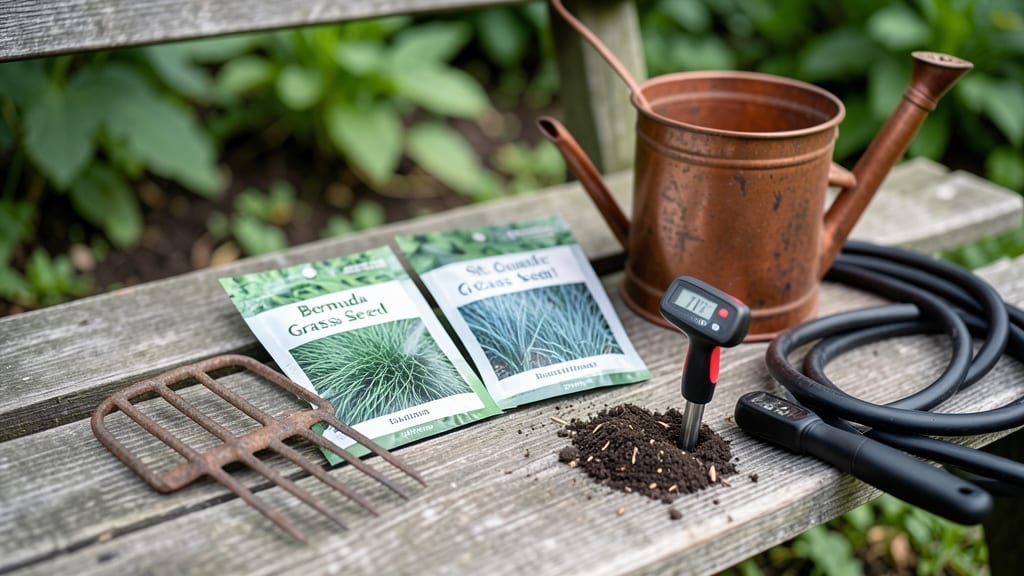
Planting grass seed in Texas at the wrong time can turn your dream lawn into a patchy, struggling mess—especially when scorching heat or drought strikes just weeks after you've put in the work.
The key isn't just picking a month; it's understanding how your region's microclimate affects soil temperature, rainfall, and even the type of grass that will thrive.
Whether you're in North Texas with its cooler evenings or South Texas where winter barely chills the air, the best time to plant shifts dramatically.
I've seen homeowners in 7b-8a zones succeed with fall planting while neighbors in 9a-10b get their best results in early spring—both approaches work, but only if you follow the local rules.
What you'll discover here are the exact planting windows tailored to Texas regions, plus soil prep secrets that make the difference between weak germination and a lush, established lawn.
We'll cover everything from when to start in August vs. February to how deep to water and which grass types handle your area's extremes.
The right timing isn't just about avoiding failure—it's about creating a lawn that stays green through Texas' long, hot summers. Let's get started with the region-specific strategies that actually work.
Best months to plant grass seed in Texas by region (north vs. central vs. south)
Texas’ diverse climate means planting grass seed isn’t a one-size-fits-all task. In North Texas, cooler winters and hot summers demand precise timing, while Central Texas balances heat and humidity, and South Texas offers longer growing seasons.
Each region has its own optimal window for seed germination, tied to soil temperature, rainfall, and frost risk.
For North Texas, the best months are late summer to early fall (August–October) when soil temperatures drop below 85°F, reducing stress on new seedlings. This region’s first frost (around November 15) also signals the end of the ideal window.
Meanwhile, Central Texas can extend planting into early November thanks to its milder winters, while South Texas often enjoys year-round planting with cooler winters.
Here’s how each region stacks up for grass seed success, including soil prep tips and rainfall considerations:
In North Texas, the late summer rush to plant before fall rains begins is critical. Aim for September when daytime highs dip below 90°F, and nights stay above 50°F.
This timing aligns with Tall Fescue and Buffalo Grass germination needs, which thrive in cooler soils. Bermuda Grass, however, prefers late spring planting (April–May) to avoid winter dormancy.
For Central Texas, the September–November window leverages the region’s mild winters and consistent rainfall. St. Augustine and Zoysia love this period, as soil stays warm enough for root development but cool enough to prevent seed desiccation.
Skipping this window risks patchy germination due to summer heat or winter drought.
Down in South Texas, the longer frost-free season (up to 300 days) allows planting almost year-round, but August–March is ideal. St. Augustine and Bermuda dominate here, benefiting from higher humidity and frequent rain.
However, avoid planting during peak summer heat (June–July), when soil temps can exceed 95°F, causing seed failure.
Regardless of region, soil temperature is your best guide. Use a soil thermometer to confirm conditions—60–75°F is the sweet spot for most grass types.
In North Texas, for example, soil temps above 85°F can bake seeds before germination, while below 55°F slows root growth. Central and South Texas can handle slightly warmer soils, but consistent moisture remains non-negotiable.
Pro tip: Early morning planting (before 10 AM) minimizes seed exposure to direct sun and heat stress.
Lightly rake soil to a ¼-inch depth, spread seed evenly, and water gently to avoid washing seeds away. Mulch lightly with straw to retain moisture and shield seeds from bird foraging.
If you miss the ideal window, don’t despair. North Texas can try early spring planting (February–March) for cool-season grasses, while South Texas might squeeze in a late winter attempt (January–February).
Just adjust watering—spring rains can drown seeds, while summer droughts will stall growth. Patience and preparation are key to a lush, Texas-tough lawn.
🌱
How to prepare your Texas lawn for grass seed planting (soil, weather, and prep tips)
Preparing your Texas lawn for grass seed planting is all about creating the perfect conditions for germination. The soil temperature, moisture levels, and pH balance must align with your grass type’s needs.
In Texas’ heat, even a small mistake can lead to poor seedling development, so let’s break it down step by step to ensure success.
Before you even think about planting, your soil must be loose and free of debris. Texas clay soil can be particularly challenging, so aeration is key. I recommend renting a core aerator to create ¼-inch deep holes every 2-3 inches.
This helps seeds make contact with moist soil and encourages strong root growth.
Use a soil test kit (available at garden centers) to check pH and nutrient levels. Texas lawns often need lime to raise pH (ideal: 6.0-7.0 for most grasses) or sulfur to lower it.
If your soil is too acidic (below 6.0), apply pelletized lime (follow package rates). For alkaline soil (above 7.5), use elemental sulfur. Re-test after 4-6 weeks.
Rent a core aerator or use a manual aerator to create holes. For clay-heavy soil, mix in 2-3 inches of compost to improve drainage and fertility.
Install a soaker hose or sprinkler system to deliver 1-1.5 inches of water daily. Water early morning (5-9 AM) to reduce evaporation and fungal risks.
Pull weeds by hand or use a pre-emergent herbicide (like corn gluten meal) 2 weeks before planting. Rake the area to create a smooth seedbed for even seed distribution.
Select a drought-tolerant variety like Buffalo grass (North Texas) or St. Augustine (South Texas). Check seed packets for optimal soil temps (e.g., 60-75°F for best germination).
Once your soil is prepped, focus on consistent moisture—the #1 killer of new grass is underwatering. Keep the top 2 inches of soil damp but not soggy.
A simple trick? Place a plastic bottle with holes in the seeded area—when water drains through, you’ve hit the right moisture level.
After planting, avoid walking on the lawn until the grass reaches 3-4 inches tall. Use straw mulch (not wood chips) to retain moisture and protect seeds from Texas sun and wind.
With these steps, your grass will establish a deep, resilient root system ready to handle the Lone Star State’s extremes.
Finally, don’t forget to fertilize lightly 4-6 weeks after germination with a balanced 10-10-10 mix. This gives your grass a nutrient boost without overwhelming new roots. With proper prep, your Texas lawn will be lush and green in no time!