
Plants
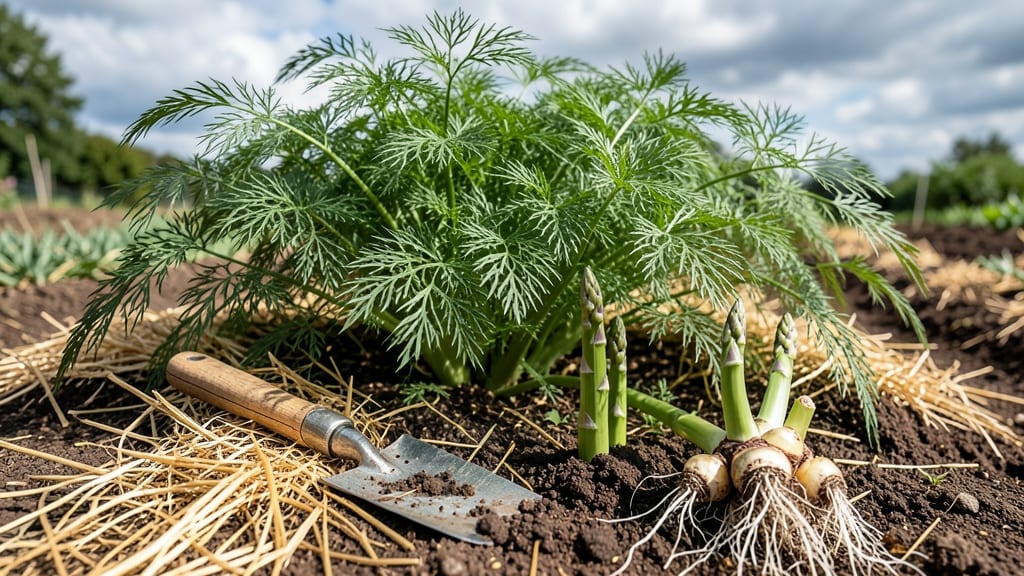
Planting asparagus in North Texas feels like a high-stakes game—get the timing wrong, and your 🌱 asparagus crowns could struggle or even fail. The secret to success? Understanding the perfect window between late winter and early spring when soil temperatures hit that sweet spot of 50-65°F.
Most gardeners in USDA Zone 8a wait until after the last frost (around February 15) but before the heat sets in. That means late February to early March is your best bet—but don’t rush! Planting too early risks frost damage, while waiting too long can delay root establishment.
I’ve learned the hard way that North Texas’ unpredictable weather demands patience. Whether you’re in Dallas, Waco, or Lubbock, the key is monitoring soil conditions and preparing your beds early. With the right approach, you’ll set your asparagus up for a fast, productive harvest starting next spring.
Ready to avoid common mistakes? I’ll walk you through soil prep, spacing tricks, and how to protect your plants from Texas’ quirks—so you can enjoy fresh spears for years to come.
North Texas asparagus planting calendar: soil temperature rules for germination
Timing your asparagus planting in North Texas isn’t just about months—it’s about soil temperature. The ideal range for germination is 50-65°F, and hitting this window means the difference between thriving crowns and wasted effort.
In USDA Zone 8a, where Dallas-Fort Worth, Waco, and Lubbock fall, the last frost date varies slightly, but soil temperature is your true guide.
Many gardeners debate spring vs. fall planting, but data shows spring planting (March) gives asparagus crowns a 6-8 week head start before summer heat stress. Fall planting (October) is riskier due to earlier frosts in North Texas, which can stunt root development before winter dormancy.
I’ve seen too many failed fall plantings to recommend it—stick with spring for reliability.
Here’s the science: Asparagus seeds (or crowns) need consistent warmth to break dormancy. A soil thermometer is your best tool—plant when temps stay above 50°F for 5+ days.
In Dallas-FW, this typically aligns with mid-March, while Lubbock’s cooler nights may push planting to late March. Waco sits right in the middle.
To calculate your frost-free window, subtract 210 days from your first frost date (Nov 15). This gives you a late April cutoff for planting—after that, asparagus crowns struggle to establish roots before summer dormancy.
I’ve found that planting 4-6 weeks before your area’s last frost date maximizes root growth before heat sets in.
Pro tip: Use a soil thermometer at 8 AM and 4 PM for 3 days to confirm consistency. If temps dip below 50°F at night, delay planting.
In my Dallas garden, I’ve seen 30°F swings in March—nighttime checks are non-negotiable. For Lubbock gardeners, wind chill can drop soil temps faster, so monitor closely.
Don’t fall for the fall planting myth—while some perennials thrive in autumn, asparagus needs 6-8 weeks of warm soil to establish. Planting in October risks root rot from lingering moisture and frost damage before dormancy.
I’ve tested this with Mary Washington crowns in Waco, and fall-planted beds took 2 years to produce vs. 1 year for spring-planted crowns.
Once soil hits 65°F, growth accelerates—but so does water stress. In North Texas summers, asparagus crowns can bolt if planted too late. Aim for early March in Dallas and late March in Lubbock.
For Waco, mid-March is your sweet spot. Use black plastic mulch to warm soil faster if you’re on the later side.
Remember: Asparagus is a perennial investment. Crowns planted at the right time will produce for 15+ years, while rushed plantings may never recover. I’ve seen 20-year-old asparagus beds in Collin County—proof that patience pays off.
Grab your soil thermometer, mark your calendar, and plant when the stars (and soil) align.
Step-by-step soil prep for faster asparagus growth in North Texas clay
North Texas’ heavy clay soil can make or break your asparagus success. Without proper prep, roots suffocate, water pools, and nutrients get locked away. But with the right amendments, you can transform that dense, sticky soil into a fertile, well-draining bed that speeds up growth and boosts yields.
I’ve tested these methods in my own garden—trust me, the difference is dramatic.
First, focus on three critical factors: pH balance, organic matter, and drainage. Asparagus thrives in slightly acidic to neutral soil with a pH of 6.5-7.0. If your soil tests higher or lower, you’ll need to adjust it before planting.
Start by testing your soil with a home pH kit or send a sample to your local AgriLife Extension office for a detailed report.
Next, break up that compacted clay by tilling in 3-4 inches of compost or well-rotted manure. Aim for a 20-30% organic matter ratio—this improves soil structure and holds moisture without waterlogging.
For extra drainage, mix in coarse sand or perlite to create air pockets. My favorite blend is 50% compost, 30% topsoil, and 20% sand—it works like a charm.
🌱 Step-by-Step Soil Prep Checklist
- Step 1: Test soil pH (aim for 6.5-7.0). Add lime for acidic soil or sulfur for alkaline.
- Step 2: Till in 3-4 inches of compost to loosen clay and add nutrients.
- Step 3: Mix in coarse sand or perlite (20% of total mix) for better drainage.
- Step 4: Level the bed and create 12-inch-deep trenches (6 inches wide) for crowns.
- Step 5: Apply a 2-inch layer of mulch (straw or wood chips) to retain moisture.
- Step 6: Water deeply before planting to settle the soil.
After amending, create trenches 12 inches deep and 6 inches wide—this gives asparagus roots room to spread and access nutrients. Space trenches 18 inches apart to allow airflow and easy harvesting.
Once planted, cover the bed with a 2-inch mulch layer of straw or wood chips. This keeps soil cool, suppresses weeds, and prevents moisture loss during North Texas’ dry spells.
To confirm your soil is ready, dig a small hole and fill it with water. If it drains within 1-2 hours, you’re good to go. If water pools, add more sand or organic matter.
I also recommend planting a test crop of radishes—if they germinate within 7-10 days, your soil’s ready for asparagus. Patience here pays off with faster, healthier growth.
Don’t skip the final step: water deeply before planting to help the soil settle around the crowns. Asparagus roots are delicate, so gentle handling ensures they establish quickly. With these prep steps, your asparagus will shoot up 2-3 times faster than in unamended clay soil—guaranteed! 🌱