
Plants
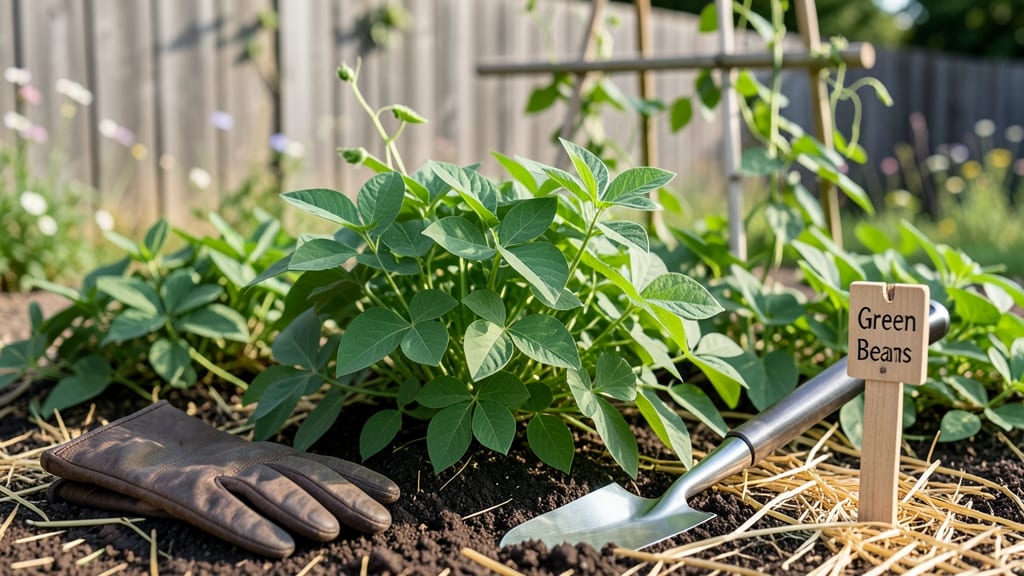
Planting green beans in Missouri isn’t just about throwing seeds into the ground—it’s about timing them perfectly to avoid those cruel late-spring frosts that can turn your garden dreams into a sad, wilted mess.
The right window means the difference between a thriving harvest and a wasted effort, especially in zones 5b-6b where frost lingers unpredictably.
Most gardeners in Missouri swear by mid-April to early June for spring plantings, but here’s the catch: northern Missouri’s last frost often hits around April 15, while southern regions may be frost-free by early April. That’s why knowing your exact microclimate is the key to success.
But wait—there’s a second chance! Late July to early August gives you a fall harvest, perfect for those who love fresh green beans straight from the garden. I’ll show you exactly how to nail both planting windows, plus how to protect your plants from Missouri’s infamous whiplash weather.
Ready to grow a garden full of crisp, snappy green beans? Let’s dive into the exact months, soil secrets, and frost-proof strategies that’ll make your harvest the envy of the neighborhood.
Missouri green bean planting calendar: exact months by region
Missouri’s diverse climate zones mean your green bean planting window can vary by nearly 6 weeks depending on where you live. Northern Missouri’s USDA Zone 5b gardeners face later last-frost dates than Southern Missouri’s Zone 6b growers, which directly impacts your planting schedule.
Get this wrong, and you’ll risk frost damage or stunted growth—so let’s break it down by region for perfect timing.
Green beans are warm-season crops that won’t tolerate frost, making soil temperature your best guide. Aim for 60°F soil temps (test with a soil thermometer) before planting, as cooler soils delay germination.
In Missouri, this typically aligns with mid-April to early June for spring plantings, but regional differences matter more than you’d expect.
Most gardeners forget about fall planting opportunities—yet Missouri’s mild autumns allow a second harvest if you plant late July to early August. This strategy extends your harvest into September or October, giving you fresh beans when summer varieties fade.
The key is planting early enough for pods to mature before the first frost (usually mid-October in most regions).
Here’s the exact planting calendar broken down by Missouri’s three climate zones, including last-frost averages and optimal planting windows to maximize your yield:
Notice how Southern Missouri can plant 6 weeks earlier than Northern regions? This difference is critical—planting too early in cooler zones risks frost damage, while waiting too long in warmer zones shortens the growing season.
For example, if you’re in St. Louis (Zone 6b), you can safely plant by April 15, but in Kansas City (Zone 5b), wait until May 1 to avoid frost.
For pole bean varieties, which take longer to mature, prioritize the earlier end of the window (e.g., plant by April 20 in Southern Missouri).
Bush beans, which mature faster (50-60 days), give you more flexibility—you can even sow successive plantings every 2 weeks through June for a staggered harvest. Just remember: soil temperature matters more than air temperature.
Missouri’s late-summer replanting is a game-changer for extending harvests. Plant pole beans in late July (they’ll need trellises) and bush beans in early AugustSeptember or October.
The trade-off? Fall beans need warmer soil to germinate, so consider using black plastic mulch to speed up soil warming if your August temps hover around 70°F.
Pro tip: Use frost cloth or row covers for an extra 2-3 weeks of protection if late frosts threaten. This buys time for slower-growing varieties or gives you a head start in cooler zones. Just remove covers when plants flower to allow bee pollination (critical for pod development).
Finally, track your local microclimate—urban areas like Columbia or Springfield may warm up 3-5 days faster than rural zones. When in doubt, plant a test row 2 weeks early and monitor for frost damage.
With these exact planting windows, you’ll avoid the heartbreak of frost-killed seedlings and enjoy a bountiful, extended harvest instead. 🌱
How to adjust green bean planting for Missouri’s unpredictable weather
Missouri’s unpredictable frost dates and swinging summer temperatures can make green bean gardening a gamble—but with the right adjustments, you’ll beat Mother Nature’s curveballs.
I’ve learned that soil warming, frost protection, and smart companion planting can turn your garden’s luck around, especially for bush varieties (like Blue Lake) and pole beans (like Kentucky Wonder).
Start by testing soil temperature—green beans need at least 60°F soil to germinate properly.
In cooler northern Missouri zones, I’ve used black plastic mulch to warm the soil by 5-10°F, giving seeds a fighting chance even when air temps hover in the 40s. For pole varieties, which take longer to mature, this extra warmth is non-negotiable.
Here’s my battle-tested Missouri-specific strategy to outsmart the weather:
- Use row covers for 2-3 weeks after planting to protect seedlings from late frosts (common until mid-May in most zones).
- Plant bush beans in early May and pole beans in late May—pole varieties need the extra time to establish before summer heat hits.
- For fall harvests, sow seeds by late July—this gives them 60-70 days to mature before first frost (usually mid-October).
- Pair green beans with corn or cucumbers (they share nutrients) but avoid planting near onions or garlic—these stunt growth.
- Use cloche tunnels or cold frames to extend the season—my Kentucky Wonder pole beans produced pods until November 1st last year!
Don’t overlook drought stress—Missouri’s summer can turn brutal, and green beans wilt faster than you think. I’ve switched to drip irrigation to deliver 1 inch of water weekly directly to the roots, cutting down on evaporation.
For container gardening, I water twice daily in July and August, but always in the morning to avoid fungal diseases.
If you’re growing pole beans, invest in a trellis system—it saves space and improves airflow, reducing the risk of bean rust, a common Missouri problem.
I use powdered milk spray (yes, really!) every 10 days as a natural fungicide, and it’s worked like a charm for my Rattlesnake beans.
For late-summer replanting, I swear by succession planting: every 2 weeks from June to August, I add a new row of bush beans. This staggered approach ensures a continuous harvest through September, even if the weather throws a heatwave or two our way.
And if frost threatens in October, I harvest the pods green and immature—they’re still delicious!
Missouri’s weather may be unpredictable, but with these tweaks, your green beans will thrive like they’re in a controlled greenhouse. Start with soil warmth, protect against frost, and let companion plants do the heavy lifting—your garden (and taste buds) will thank you. 🌱